
In the rapidly evolving world of laboratory science, biosafety challenges and sterilization workflow demands remain paramount. With rising concerns over contamination and the need for effective sterilization methods, the integration of innovative technologies has become imperative. One such advancement is the Micro Incinerator, also known as the Infrared Inoculating Loop Sterilizer. This equipment is transforming laboratory sterilization practices, particularly in high-stakes environments like BSL-2 and BSL-3 microbiology labs.
The Technical Principles Behind Infrared Sterilization
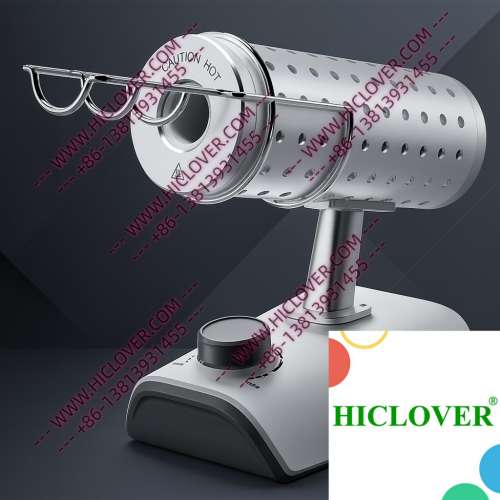
At the core of the Micro Incinerator’s functionality is the application of infrared heat, which offers several advantages over traditional flame sterilizers, such as alcohol lamps and Bunsen burners. The key component, an enclosed ceramic heating chamber, utilizes high-temperature disinfection to achieve rapid thermal sterilization, ensuring the complete eradication of microbial life.
This technology is engineered to produce rapid and consistent heat, allowing laboratory personnel to sterilize inoculating loops and other tools efficiently. As the heated ceramic tube reaches temperatures exceeding 800°C (1472°F), the risk of aerosol formation and potential contamination is significantly diminished. This makes the Micro Incinerator an excellent fit for applications requiring aerosol-free handling within clean environments.
Applications in Real Laboratories
The versatility of the Micro Incinerator can be highlighted through its application in different laboratory settings:
- Biosafety Cabinets: In research laboratories, particularly those dealing with pathogenic microorganisms, the Micro Incinerator is often integrated into biosafety cabinets. This setup allows for immediate sterilization of tools within the cabinet’s controlled environment, reducing the risk of cross-contamination.
- Field Testing Laboratories: In mobile laboratories, where access to traditional sterilization methods may be limited, the portability and reliability of the Micro Incinerator provide researchers with a vital tool for on-site sterilization of equipment. This is especially important in regions with high disease prevalence.
- University Teaching Labs: In academic settings, the Micro Incinerator serves as an effective educational tool, demonstrating the principles of sterilization to students. Its user-friendly design promotes safety while helping students appreciate modern sterilization technologies.
Compliance and Environmental Considerations
Adhering to global biosafety standards, including those set by the World Health Organization (WHO), is essential in laboratory operations. The Micro Incinerator aligns perfectly with lab sterilization standards, especially in ensuring no flame is utilized in clean rooms. Unlike traditional flame sterilizers, it eliminates the risk of flammable materials igniting, creating a safer working atmosphere for laboratory personnel.
Moreover, as labs increasingly aim for sustainable practices, the Micro Incinerator’s efficiency supports compliance with environmental regulations by reducing the carbon footprint associated with energy-intensive sterilization processes. Its rapid sterilization capability means less energy consumption and improved overall lab efficiency.
FAQ Section
- What is the temperature range of a Micro Incinerator?
The Micro Incinerator can reach temperatures exceeding 800°C (1472°F), providing effective sterilization of laboratory tools. - Can the Micro Incinerator be used in clean rooms?
Yes, the Micro Incinerator is specifically designed for clean environments and does not produce flames, making it safe for use in clean rooms. - How does it compare to flame sterilizers?
Unlike traditional flame sterilizers, the Micro Incinerator eliminates the risks associated with open flames, particularly aerosol formation, and offers rapid and consistent heat application. - Is the Micro Incinerator suitable for field testing?
Absolutely! Its compact design and portable nature make it ideal for field testing laboratories where traditional sterilization may not be feasible. - How does the Micro Incinerator improve workflow in laboratories?
By providing rapid thermal sterilization, the Micro Incinerator enhances workflow efficiency, allowing laboratory personnel to perform tasks without interruptions from contamination risks.
A Comparison Table: Micro Incinerator vs. Flame Burners
| Feature | Micro Incinerator | Flame Sterilizer |
|---|---|---|
| Heat Source | Infrared ceramic heating | Open flame |
| Temperature Control | Consistent high temperature | Variable |
| Aerosol Control | No aerosol production | Potential aerosol formation |
| Safety | Low risk of ignition | High risk of fire |
| Portability | Highly portable | Less portable |
Conclusion
The Micro Incinerator is revolutionizing waste processing and sterilization practices in laboratories. Its advantages over traditional flame sterilizers, combined with its compliance with biosafety standards, make it an invaluable tool for laboratory supply distributors, hospitals, universities, and research centers. If you are looking to enhance your laboratory’s sterilization capabilities and improve your safety protocols, consider integrating the Micro Incinerator into your workflow.
For inquiries, pricing, or to explore purchasing options, please contact us today!
Categories:
Tags: