
In the dynamic landscape of laboratory biosafety, especially in regions like Sudan, the challenges surrounding contamination control remain pronounced. As healthcare facilities grapple with the complexities of maintaining sterile environments, the demand for efficient and reliable sterilization equipment has surged. Among the various options, the Micro Incinerator or Infrared Inoculating Loop Sterilizer stands out as a key player in transforming sterilization workflows, ensuring not only compliance with safety standards but also facilitating improved outcomes in laboratory settings.
Understanding the Technical Principles of Infrared Sterilization
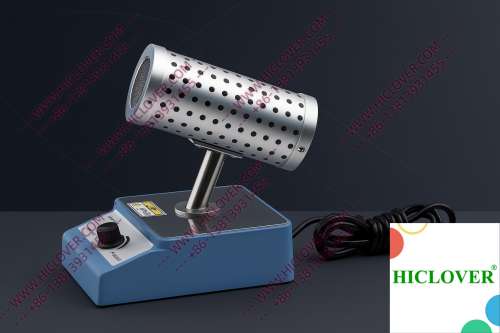
At the heart of the Micro Incinerator’s effective design is its principle of rapid thermal sterilization. Utilizing infrared heat technology, this device delivers high temperatures via an enclosed ceramic tube, which allows for targeted disinfection and sterilization of inoculating loops and other small instruments. Unlike traditional flame sterilizers, such as alcohol lamps or Bunsen burners, which rely on open flames, the Micro Incinerator offers several advantages in creating a safer, contamination-free laboratory environment.
Advantages Over Traditional Flame Sterilizers
- Reduced Aerosol Production: The infrared system minimizes the risk of airborne contaminants.
- Enhanced Safety: No open flames mean lower fire hazards, particularly critical in clean benches and confined spaces.
- Consistent Temperature Control: Rapid heating leads to more predictable sterilization results.
- Energy Efficiency: Infrared technology requires less energy than traditional methods.
- BSL-1: Minimal hazard microbes.
- BSL-2: Moderate hazard microbes, requiring compliance with sterilization methods.
- BSL-3: High hazard microbes; rigorous sterilization and maintenance standards.
Practical Applications of the Micro Incinerator
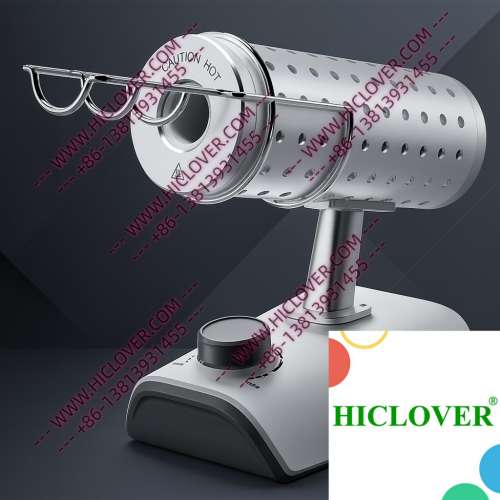
The Micro Incinerator finds diverse applications within laboratories, particularly in regions facing healthcare challenges like Sudan. Below are two practical scenarios demonstrating its utility:
Application Scenario 1: University Teaching Labs
In university teaching labs, students routinely conduct microbiological experiments. Using traditional flame sterilizers can pose risks associated with open flames in close quarters. The Micro Incinerator provides an effective solution by allowing students to sterilize inoculating loops quickly and safely, fostering a conducive learning environment. Its clean-bench-safe design ensures that students can focus on their experiments without the added worry of contamination or hazardous sparks.
Application Scenario 2: Field Testing in Remote Areas
Field-testing labs operating in remote regions of Sudan often lack reliable power sources or the ability to use traditional sterilization methods safely. The Micro Incinerator, with its compact design and efficient thermal management, becomes a critical tool in these settings. Researchers can perform rapid sterilizations of their instruments, ensuring sample integrity and public health safety even in the most challenging situations.
Compliance and Environmental Considerations
As laboratories strive to meet varying international standards, compliance with biosafety regulations becomes paramount. The World Health Organization (WHO) outlines necessary biosafety protocols for laboratories, emphasizing the need for sterilization equipment that minimizes risk. The Micro Incinerator aligns with these guidelines, providing a flame-free solution that eliminates aerosols and adheres to stringent laboratory sterilization standards.
Additionally, its utility in clean rooms is noteworthy. The absence of open flames reduces contamination risks, ensuring a safer workspace for technicians. This is particularly vital in biocontainment labs, including BSL-2 and BSL-3 environments where the risk of exposure to pathogens is significant.
Biosafety Compliance Reference
WHO Biosafety Levels:
Frequently Asked Questions
What is a Micro Incinerator and how does it work?
A Micro Incinerator is a sterilization device that uses infrared heat to disinfect instruments quickly and safely, unlike traditional flame-based sterilizers.
Why choose a Micro Incinerator over a traditional flame sterilizer?
Micro Incinerators eliminate the risks associated with open flames, provide consistent temperature control, and reduce aerosol production, enhancing laboratory safety.
Can the Micro Incinerator be used in field settings?
Yes, its portable design and efficient thermal sterilization make it ideal for mobile laboratories and field testing in remote locations.
Is the Micro Incinerator compliant with WHO biosafety standards?
Yes, it aligns with WHO guidelines, offering a sterilization solution that supports extensive biosafety requirements.
Conclusion: Empowering Healthcare in Sudan
The significance of efficient sterilization technologies like the Micro Incinerator cannot be overstated, particularly in healthcare systems confronting numerous challenges. As Sudan continues to advance its laboratory services, investing in state-of-the-art sterilization equipment is essential for improving public health outcomes. Explore our range of Micro Incinerators today, and join us in enhancing laboratory safety, efficiency, and compliance for a healthier tomorrow.
Categories:
Tags: