
In the realm of modern laboratory settings, ensuring the utmost biosafety standards poses significant challenges. Researchers and technicians are tasked with navigating the delicate balance between efficiency and contamination control. Among the essential tools employed in this endeavor is the Micro Incinerator or Infrared Inoculating Loop Sterilizer—an innovative solution that epitomizes rapid thermal sterilization technology. This article delves into the key features, applications, and compliance aspects of this state-of-the-art sterilization device.
The Challenge of Contamination Control
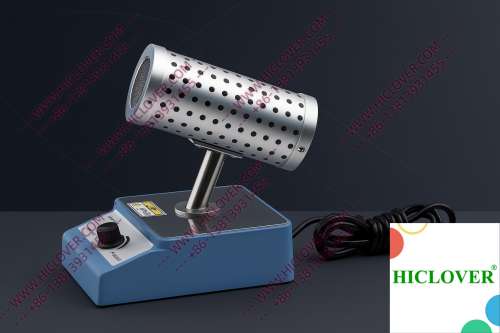
Laboratories, particularly those classified under BSL-2 and BSL-3 guidelines, face stringent requirements to prevent the transmission of pathogens. Traditional flame sterilizers, such as alcohol lamps and Bunsen burners, can pose risks of aerosol generation, an undesirable byproduct in clean bench environments. Moreover, these methods can introduce variable temperatures that may compromise effective sterilization. In contrast, the Micro Incinerator provides a sustainable and efficient alternative with its enclosed ceramic heating chamber.
Technical Principles of the Micro Incinerator
The Micro Incinerator operates on the principle of infrared high-temperature disinfection. Its advanced heating mechanism utilizes a ceramic tube that provides rapid thermal sterilization without the risks associated with open flames. By converting electrical energy into infrared radiation, this device achieves sterilization temperatures of up to 850°C within seconds.
The unit’s design ensures optimal energy efficiency while minimizing carbon emission, aligning it with modern laboratory requirements for sustainability. This enclosed design not only enhances user safety but also prevents cross-contamination within the workspace.
Applications of the Micro Incinerator
- Biosafety Cabinets: In university teaching labs, the Micro Incinerator is integrated within biosafety cabinets, allowing for aerosol-free handling of biological samples while maintaining high sterilization efficacy. Researchers can ensure that all inoculating loops and instruments are free from contamination without disrupting the sterile environment.
- Field Testing: During field tests, where traditional flames might be impractical or hazardous, the Micro Incinerator shines. Its lightweight and portable design allow scientists to maintain sterilization protocols even in remote locations, ensuring the integrity of samples collected from the field.
Compliance with Biosafety Standards
Adhering to biosafety protocols is critical in laboratory settings. The World Health Organization (WHO) emphasizes that laboratory sterilization must meet international safety standards to prevent infections. The efficiency of the Micro Incinerator aligns seamlessly with ISO 15189 standards, which focus on the quality management of medical laboratories.
Furthermore, its design is compliant with guidelines set forth for clean rooms, where open flames are strictly prohibited. This compliance makes it a favored choice among hospitals and research centers in cities with stringent laboratory regulations like London or New York.
Advantages of Micro Incinerators vs. Traditional Flame Sterilizers
| Feature | Micro Incinerator | Flame Sterilizers |
|---|---|---|
| Temperature Stability | Consistent and precise | Variable, dependent on skill |
| Contamination Control | Zero aerosol generation | Potential for aerosol generation |
| Energy Efficiency | High, low carbon footprint | Wastes energy and materials |
| Safety | Enclosed design prevents burns | Open flame hazards |
FAQs
- What is a Micro Incinerator? A Micro Incinerator is a high-temperature sterilizer designed to safely and effectively sterilize inoculating loops and other small lab tools using infrared heat.
- How does it differ from traditional sterilizers? Unlike flame sterilizers, it offers consistent temperature control, reduces the risk of contamination, and is safer for clean environments.
- Can it be used outdoors? Yes, its portability and enclosed design make it suitable for field testing applications where traditional methods may be impractical.
- What types of labs benefit from using this device? University teaching labs, BSL-2 and BSL-3 microbiology labs, clinical diagnostics, and research centers all benefit from its efficient sterilization capabilities.
- Is the Micro Incinerator compliant with safety standards? Yes, it adheres to WHO guidelines and international laboratory safety standards, making it ideal for regulated environments.
Conclusion
The Micro Incinerator / Infrared Inoculating Loop Sterilizer is revolutionizing the landscape of laboratory sterilization by prioritizing biosafety and efficiency. Its advanced technology not only enhances workflow but also ensures compliance with stringent safety standards. For laboratories aiming to improve their sterilization processes, this device presents an attractive option. Whether for hospital settings in Berlin or university labs in Toronto, investing in such equipment can significantly elevate laboratory practices. Reach out today to learn more about integrating the Micro Incinerator into your workflow or to make a purchase that prioritizes safety and efficiency in your lab.
Categories:
Tags: