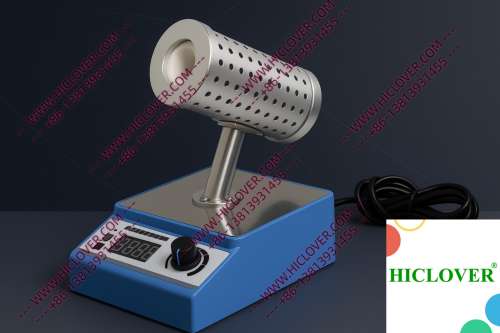
In the pursuit of maintaining high standards of safety and integrity within laboratory environments, laboratories face numerous biosafety challenges. These challenges often arise from the pressing need for effective sterilization methods that can provide rapid thermal sterilization without the associated risks that traditional flame sterilizers pose. The emergence of innovative laboratory sterilization equipment such as the Micro Incinerator or Infrared Inoculating Loop Sterilizer is transforming sterilization workflows.
Technical Principles Behind Infrared Sterilization
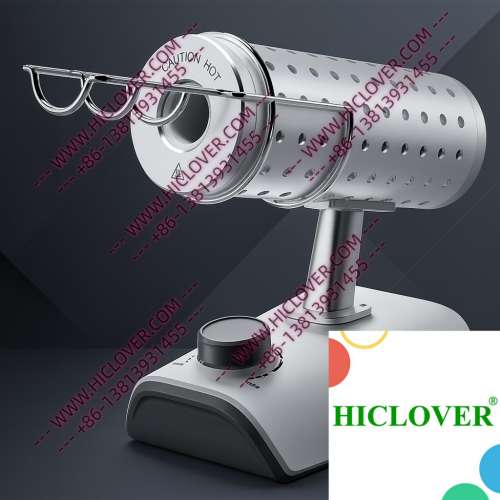
The core technical principle of infrared inoculating loop sterilizers lies in their ability to deliver high temperatures rapidly while minimizing the risk of contamination. Unlike traditional sterilizers that may rely on flames, which can introduce aerosols and compromise sterility, infrared sterilizers utilize a ceramic heating chamber enclosed within an insulated tube. This design enables focused infrared heat to sterilize inoculating loops quickly and efficiently, ensuring that microbiological samples remain uncontaminated throughout the research process.
Applications of Micro Incinerators in Real Labs
Micro Incinerators are versatile tools that find applications in various laboratory settings. Here are two notable scenarios:
- Biosafety Cabinets: In BSL-2 and BSL-3 microbiology labs, the use of a Micro Incinerator provides a safe alternative for sterilizing inoculating loops. Inside a biosafety cabinet, researchers can perform aerosol-free handling while ensuring that each tool is adequately sterilized before sampling, thus maintaining a sterile environment.
- University Teaching Labs: In educational settings, especially in university teaching labs, the speed and safety of infrared inoculating loop sterilizers enhance the learning experience. Students can focus on the practical aspects of microbiology without the distractions and dangers associated with open flames, facilitating a more controlled and effective educational environment.
- What is a Micro Incinerator?
A Micro Incinerator is a high-temperature sterilization device designed for efficient sterilization of inoculating loops using infrared heat technology. - How does infrared sterilization differ from flame sterilization?
Infrared sterilization eliminates the risks associated with open flames and aerosol generation, providing a cleaner, safer method for sterilization. - What are the best laboratory environments for using a Micro Incinerator?
BSL-2 and BSL-3 microbiology labs, as well as university teaching labs and field-testing environments, benefit greatly from their use. - Are Micro Incinerators compliant with WHO and other safety standards?
Yes, Micro Incinerators comply with WHO biosafety standards, facilitating adherence to contamination control protocols. - Can I replace my alcohol lamp with a Micro Incinerator?
Absolutely! A Micro Incinerator is a suitable replacement that provides greater safety and efficiency without the risks associated with alcohol lamps.
Biosafety Compliance and Environmental Considerations
Adhering to biosafety standards is critical in laboratory operations. The World Health Organization (WHO) outlines stringent biosafety protocols that must be met to ensure public Heath and laboratory safety. Traditional flame sterilizers are often unsuitable for use in clean rooms or environments requiring strict contamination control due to the potential for generating aerosols and particulate matter.
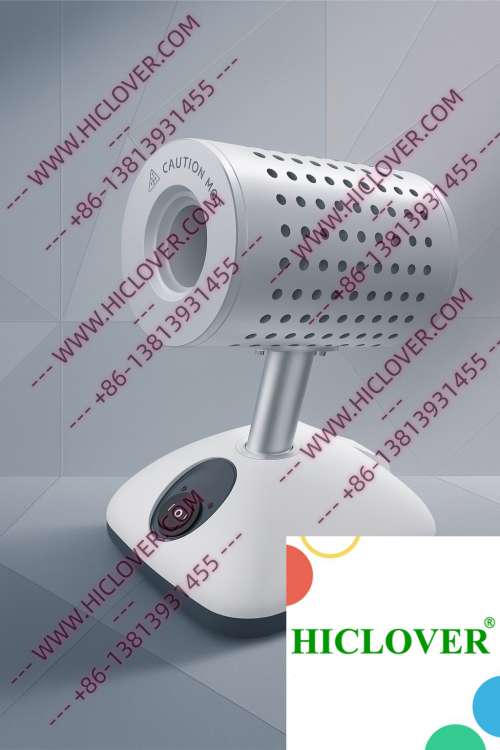
With Micro Incinerators, laboratories can comply with these biosafety standards more effectively. They provide a clean-bench-safe environment, eliminating the risks associated with flames. Instead of using alcohol lamps or Bunsen burners—which can generate hazardous aerosols—the Micro Incinerator offers a compact and efficient alternative that ensures compliance with international laboratory sterilization standards.
Advantages of Micro Incinerators Over Traditional Flame Sterilizers
When comparing Micro Incinerators to traditional flame sterilizers, several advantages emerge:
| Feature | Micro Incinerator | Flame Burners |
|---|---|---|
| Safety | No open flames; reduced risk of burns or fire | Open flames; potential fire hazards |
| Speed | Rapid thermal sterilization | Slower ignition and cooling times |
| Contamination Control | Aerosol-free handling | Potential aerosol generation |
| Durability | Long-lasting ceramic heating chamber | Variable durability; can degrade over time |
FAQs About Micro Incinerators
Conclusion: A Step Towards Enhanced Laboratory Integrity
Micro Incinerators or Infrared Inoculating Loop Sterilizers provide a significant leap forward in ensuring laboratory integrity through improved sterilization processes. With their ability to deliver rapid thermal sterilization without the risks associated with flame sterilizers, they are essential tools for a variety of laboratory settings, from BSL-2 microbiology labs to clinical diagnostics and educational laboratories.
Don’t compromise on your lab’s safety and efficiency. Consider upgrading to a Micro Incinerator today. For inquiries or to make a purchase, feel free to contact us!
Categories:
Tags: