
In the realm of microbiological research and clinical diagnostics, maintaining a sterile environment is paramount. Laboratory biosafety challenges necessitate robust sterilization equipment to prevent contamination while ensuring accurate results. One such equipment that has garnered attention for its efficiency and reliability is the Micro Incinerator, or Infrared Inoculating Loop Sterilizer. This tool is transforming the sterilization workflow in laboratories, particularly in BSL-2 and BSL-3 facilities where compliance and safety are critical.
The Technical Principles Behind Infrared Sterilization
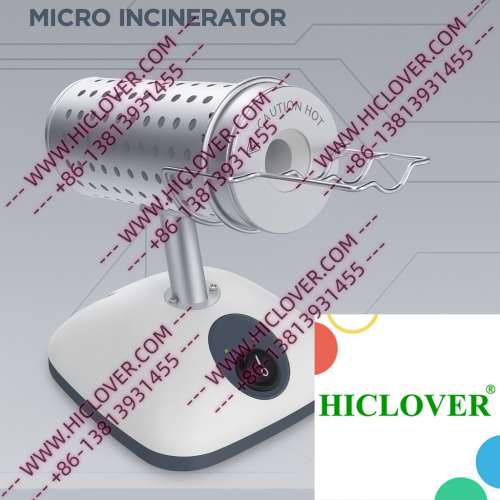
The Micro Incinerator employs infrared heat to achieve rapid thermal sterilization, making it an ideal choice for laboratories that require efficient and effective disinfection methods. Unlike traditional flame sterilizers, which can produce aerosolized contaminants, this device utilizes a closed ceramic heating chamber, ensuring that heat is evenly distributed for optimal results.
When the inoculating loop is inserted into the enclosed ceramic tube, it reaches high temperatures within seconds. This technology eliminates the concerns associated with open flames, allowing for a clean-bench-safe operation. The absence of open flames also reduces the risk of accidents in research environments where flammable materials may be present.
Real-World Applications of Micro Incinerators
- Biosafety Cabinets: In controlled laboratory environments, such as biosafety cabinets, using a Micro Incinerator ensures that tools are sterilized without compromising air quality. This is vital for high-containment labs where aerosol generation could pose serious risks.
- Field Testing: Portable Micro Incinerators enable field technicians to perform sterilization in remote areas, ensuring that samples are handled safely and efficiently. For instance, in a clinical diagnostics setting in rural regions, such equipment allows rapid culture transfer even in the absence of conventional sterilization methods.
- University Teaching Labs: In educational institutions, the Micro Incinerator serves as a valuable teaching tool, allowing students to learn best practices in contamination control without the dangers of flame sterilizers.
- What advantages does a Micro Incinerator offer over traditional methods?
The Micro Incinerator offers rapid thermal sterilization without the risks associated with open flames, reducing contamination potential and enhancing safety in the lab.
- Can the Micro Incinerator be used in field settings?
Yes! Portable models of Micro Incinerators are specifically designed for field testing and allow for effective sterilization in remote areas.
- How does this device comply with biosafety regulations?
It adheres to WHO guidelines by minimizing aerosol generation and preventing fire hazards, making it suitable for BSL-2 and BSL-3 labs.
- Is training required to operate a Micro Incinerator?
While it is designed to be user-friendly, basic training is recommended to ensure optimal and safe operation.
- What maintenance does a Micro Incinerator require?
Regular cleaning of the ceramic tube and ensuring the device is free from obstructions will help maintain its efficacy.
Compliance and Safety Standards
The importance of compliance with established laboratory sterilization standards cannot be overstated. Institutions such as the World Health Organization (WHO) set biosafety guidelines that laboratories worldwide must adhere to. In BSL-2 and BSL-3 laboratories, where pathogens of moderate to high risk are handled, sterilization procedures must be more stringent to prevent any aerosol or surface contamination.
“Using infrared sterilization devices like the Micro Incinerator not only fulfills lab compliance requirements but also enhances overall safety by eliminating open flames.” – Laboratory Safety Expert
Moreover, many cleanrooms prohibit the use of open flames, making the Micro Incinerator a compliant choice for environments where maintaining cleanliness is essential. This advancement in sterilization technology supports labs in various regions, including urban centers such as New York City and San Francisco, where rigorous safety standards are enforced.
Comparison: Micro Incinerator vs. Traditional Flame Sterilizers
| Feature | Micro Incinerator | Traditional Flame Sterilizers |
|---|---|---|
| Heating Method | Infrared | Open Flame |
| Safety | No flame exposure, less risk of fire | High risk of fire and burns |
| Contamination Control | Aerosol-free handling | Potential for aerosol generation |
| Response Time | Rapid (seconds) | Variable |
| Ease of Use | User-friendly, minimal training | Requires skill to operate safely |
Frequently Asked Questions
Conclusion
The transition from traditional flame sterilizers to innovative solutions like the Micro Incinerator represents a significant step forward in ensuring sterile culture transfer and contamination control in microbiology labs. As laboratories continue to seek compliance with increasing safety and operational standards, adopting advanced sterilization technology will undoubtedly enhance laboratory workflow and safety.
For those seeking reliable solutions in laboratory sterilization equipment, the Micro Incinerator stands out as an essential asset. When considering an upgrade to your sterilization practices, don’t hesitate to reach out for more information or consultation on how this technology can fit into your lab’s needs.
Categories:
Tags: