
In the constantly evolving world of laboratory practices, ensuring biosafety is paramount. Laboratories must confront stringent sterilization workflow demands, especially when handling pathogens or conducting critical biomedical experimentation. The need for effective sterilization techniques has led to the widespread adoption of advanced technologies like the Micro Incinerator, specifically designed to meet modern biosafety and sterilization challenges.
Understanding the Technical Principles
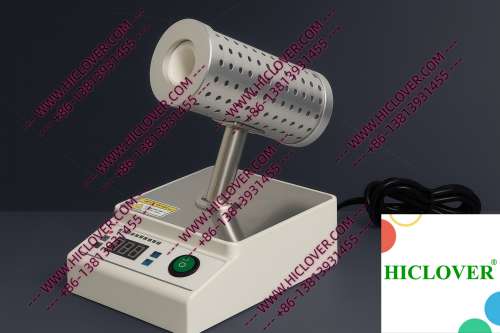
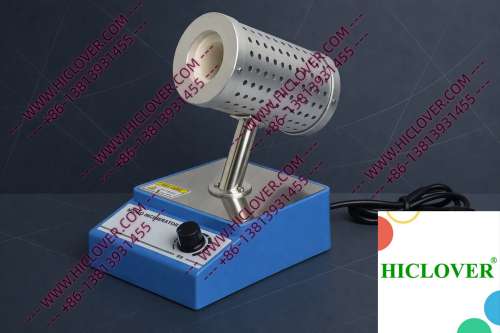
The Micro Incinerator, also known as an Infrared Inoculating Loop Sterilizer, operates on a fundamentally innovative principle of infrared thermal sterilization. This equipment uses a powerful ceramic heating chamber that radiates concentrated heat to disinfect inoculating loops within seconds. Unlike traditional flame sterilizers, which utilize alcohol lamps or Bunsen burners, the Micro Incinerator provides rapid thermal sterilization without producing flames or aerosols. This not only ensures clean environments but also minimizes the risk of accidental contamination.
Key Features of the Micro Incinerator include:
- High-temperature disinfection achieved within seconds
- Enclosed design, minimizing risk of burns and contamination
- Low energy consumption and longer lifespan due to ceramic components
- Fume-free operation suitable for clean rooms and sensitive environments
- Biosafety Cabinets: In BSL-2 and BSL-3 microbiology labs, researchers utilize Micro Incinerators to sterilize loops quickly while handling pathogens within biosafety cabinets. This ensures that no contaminants escape into the environment, maintaining a sterile lab space.
- Teaching Laboratories: In university laboratories, the Micro Incinerator serves as an efficient teaching tool. Students can observe rapid sterilization processes without the complexities and dangers of using flame-based methods, providing a safer learning experience.
- What are the major benefits of using a Micro Incinerator?
The Micro Incinerator offers rapid sterilization, ease of use, and enhanced safety over traditional flame sterilizers. - Is the Micro Incinerator suitable for BSL-3 labs?
Yes, its enclosed design and advanced sterilization method meet the stringent requirements of BSL-3 labs. - How does the Micro Incinerator differ from traditional sterilization techniques?
It utilizes infrared heat rather than flames, reducing contamination risk and providing faster, more reliable sterilization. - Can it be used in field settings?
Absolutely, the Micro Incinerator’s portable design allows for effective use in field testing and emergency response scenarios. - How do I ensure compliance with biosafety standards while using the Micro Incinerator?
By adhering to operational guidelines and utilizing the equipment in accordance with WHO recommendations, labs can maintain compliance.
Real-World Applications in Laboratories
The adoption of Micro Incinerators is growing, particularly in diverse settings where biosafety is critical:
For field testing, particularly in mobile labs or during public health emergencies, the compact and portable design of the Micro Incinerator allows for effective sterilization of equipment in real-time, addressing biosafety concerns in challenging environments.
Compliance and Environmental Impact
As laboratories and research centers strive to meet global standards, compliance with biosafety guidelines is crucial. The World Health Organization (WHO) sets clear recommendations for laboratory sterilization practices, emphasizing the significance of employing flame-free sterilization methods in clean environments to prevent aerosol dissemination.
Moreover, traditional flame sterilizers create fumes and pose risks when used in sterile settings such as clean rooms or with CO₂ incubators. The Micro Incinerator not only adheres to these strict standards but also enhances laboratory safety by reducing the risk of contamination and providing an eco-friendly solution.
Comparison: Micro Incinerator vs. Flame Burners
| Feature | Micro Incinerator | Flame Burners |
|---|---|---|
| Method of Sterilization | Infrared thermal sterilization | Flame combustion |
| Risk of Contamination | Low | High |
| Energy Efficiency | High | Variable |
| Use in Clean Environments | Safe | Unsafe |
| Time to Sterilize | Seconds | Variable |
Frequently Asked Questions
Conclusion: Elevate Your Laboratory Practices Today
Investing in a Micro Incinerator for your laboratory not only enhances sterilization processes but also aligns with best practices for biosafety and environmental responsibility. With the capability to safeguard communities and improve workflows, it is an essential tool for modern laboratories. For more information and details on purchasing, don’t hesitate to reach out to our experts today!
Categories:
Tags: