
In the world of laboratory research, the utmost priority is ensuring biosafety while maintaining efficiency in sterilization workflows. Laboratories face persistent challenges in adhering to stringent contamination control protocols, especially in environments ranging from BSL-2 to BSL-3 microbiology labs. As the demand for rapid thermal sterilization methods increases, many laboratories are turning to micro incinerators as a superior alternative to traditional flame sterilizers. This article explores how Micro Incinerator / Infrared Inoculating Loop Sterilizers are revolutionizing sterilization processes for today’s research and educational institutions.
Understanding Micro Incinerators: The Technical Backbone
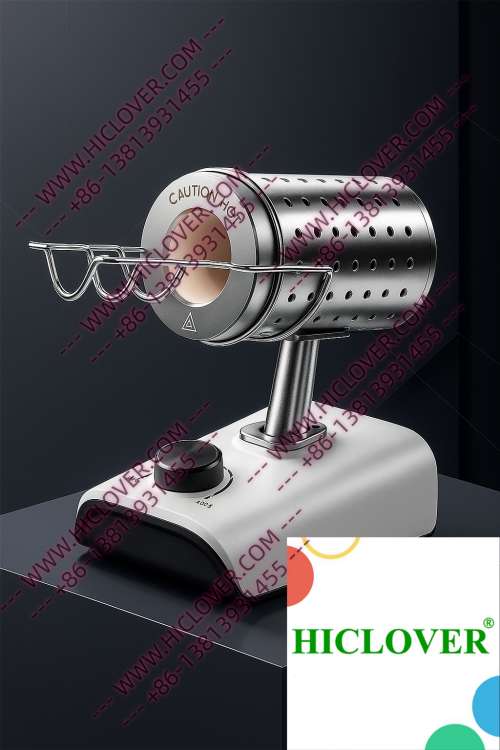
The Micro Incinerator operates on the principle of infrared high-temperature disinfection. Unlike conventional flame sterilizers, which produce an open flame, the Micro Incinerator utilizes a ceramic heating chamber devoid of any flammable components. This enclosed configuration is designed to emit concentrated infrared heat that rapidly sterilizes inoculating loops, needles, and other lab equipment within seconds. The high temperatures generated allow for effective elimination of pathogens without the risk of contamination through residual aerosols and unwanted flames.
Advantages Over Traditional Flame Sterilizers
The benefits of Micro Incinerators are numerous. Below is a comparison table that highlights the advantages of micro incinerators versus traditional flame burners:
| Feature | Micro Incinerator | Flame Burners |
|---|---|---|
| Safety | Closed ceramic chamber, no open flame | Open flame increases fire hazard |
| Contamination Control | Aerosol-free, minimizes air contamination | Open flame can produce particles |
| Temperature Control | Reliable and uniform heating | Variable, can cause uneven sterilization |
| Operational Efficiency | Rapid sterilization, up to 5 seconds | Slow, requires preheating |
| Maintenance | Low, fewer parts to replace | High, requires regular cleaning and fuel |
Real-World Applications of Micro Incinerators
Micro incinerators are gaining traction in various laboratory settings due to their efficacy and safety. Below are two application scenarios illustrating their value:
1. Field Testing Labs
In mobile laboratories conducting fieldwork, such as disease outbreak investigations, microbiologists rely on rapid sterilization methods. The compact size and portability of micro incinerators enable field teams to maintain strict sterilization protocols while minimizing aerosol production. This is particularly essential when working with infectious agents, ensuring both the safety of the staff and the integrity of collected samples.
2. University Teaching Labs
In academic institutions, teaching labs often introduce students to microbiological techniques that necessitate rigorous sterilization practices. Micro incinerators provide a safe, easy-to-use solution for training students on proper inoculation and loop handling without the risk associated with open flame. This innovative equipment not only fosters a better learning environment but also instills best practices in future scientists regarding biosafety and contamination control.
Biosafety Compliance: Meeting the Standards
Adhering to guidelines set forth by organizations such as the World Health Organization (WHO) is imperative in laboratory environments. These guidelines emphasize the importance of minimizing the risk of identifying infectious pathogens during research and clinical diagnostics. Micro incinerators are highly effective in clean rooms and biosafety cabinets where the presence of open flames is prohibited. By providing a flame-free method of sterilization, they align perfectly with lab sterilization standards and regulatory compliance.
Moreover, the absence of flames aids in maintaining clean environments, making it an ideal option for use alongside sensitive equipment such as CO₂ incubators and anaerobic chambers.
Frequently Asked Questions
- What is the main advantage of using a Micro Incinerator over a traditional flame sterilizer?
- Can Micro Incinerators be used in all laboratory settings?
- How long does it take for a Micro Incinerator to sterilize tools?
- Are there any specific maintenance requirements for Micro Incinerators?
- Do Micro Incinerators comply with safety regulations?
The main advantage lies in enhanced safety, as micro incinerators eliminate the risks associated with open flame while providing rapid and effective sterilization.
Yes, they are suitable for various settings, including BSL-2 and BSL-3 labs, teaching laboratories, and field testing environments.
Most micro incinerators can sterilize inoculating loops in as few as 5 seconds, providing efficiency and speed in high-demand laboratory workflows.
Micro incinerators require minimal maintenance due to their robust design. Regular cleaning of the ceramic chamber is typically sufficient to ensure optimal performance.
Yes, micro incinerators meet or exceed biosafety compliance standards established by organizations such as WHO, making them ideal for safe laboratory operations.
Final Thoughts
Micro Incinerators are transforming the landscape of laboratory sterilization by addressing common safety challenges and streamlining workflows. As researchers and educators adopt these advanced sterilization tools, they benefit from both enhanced safety and operational efficiency. If you’re considering upgrading your laboratory sterilization equipment for better compliance, efficiency, and safety, contact us today to explore our range of Micro Incinerators. Experience the difference in your sterilization protocols!