
The landscape of healthcare and laboratory practices in Guinea faces significant challenges, particularly concerning the management of biological waste. Ensuring the integrity of sterilization workflows while adhering to biosafety regulations is crucial for maintaining a safe laboratory environment. In this context, the introduction of Micro Incinerators, specifically the Infrared Inoculating Loop Sterilizer, presents a transformative solution for various laboratory applications. This technology is pivotal in meeting the biosafety demands of healthcare settings while promoting sustainability.
Understanding the Technology Behind Micro Incinerators
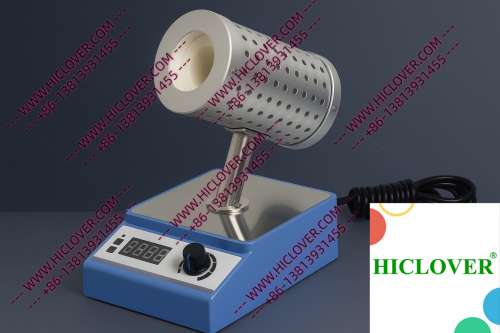
Micro Incinerators utilize advanced infrared heat technology for rapid thermal sterilization, making them an effective choice for contamination control. The core of their functionality lies in an enclosed ceramic heating chamber that reaches high temperatures within moments. Unlike traditional flame sterilizers, which can pose risks and introduce contaminants, the infrared sterilizer operates with high efficiency and reliability.
Configuration and Advantages Over Traditional Flame Sterilizers
- Infrared Heat: Provides uniform temperature distribution, ensuring effective sterilization of inoculating loops and other lab tools.
- Aerosol-free Handling: Minimizes the risk of aerosol generation, a critical consideration in BSL-2 and BSL-3 microbiology labs.
- Clean-bench Safe: Suitable for use in clean areas, eliminating concerns associated with open flames.
- Fast Operation: Offers immediate readiness for use, decreasing downtime significantly compared to traditional alcohol lamps and Bunsen burners.
- They eliminate the dangers associated with open flames in cleanrooms and labs.
- They operate without the need for alcohol, addressing fire hazards and reducing harmful emissions.
- What are the main advantages of using a Micro Incinerator over traditional sterilizers? The Micro Incinerator offers rapid thermal sterilization with no risk of aerosol generation, making it safer and more efficient for laboratory use.
- Can Micro Incinerators be used in field testing labs? Yes, their portable design and no requirement for open flames make them ideal for use in mobile or field testing environments.
- How does the Micro Incinerator adhere to WHO biosafety guidelines? The device minimizes contamination risks and is suitable for use in clean environments, aligning perfectly with the stringent biosafety standards set by WHO.
- Is the Infrared Inoculating Loop Sterilizer suitable for teaching labs? Absolutely! It provides a safe environment for students to learn sterilization techniques without the risks associated with open flames.
- What maintenance does a Micro Incinerator require? Regular checks of the heating elements and ensuring the device is clean will maximize its efficiency and lifespan.
Application Scenarios in Practical Laboratory Settings
Micro Incinerators are versatile and can be employed in various laboratory environments, including:
1. Clinical Diagnostics Laboratories
In clinical diagnostics labs in Guinea, where precision and biosafety are paramount, Micro Incinerators facilitate the rapid and effective sterilization of inoculating loops and other tools used to culture microbiological samples. This application not only improves workflow efficiency but also ensures compliance with stringent biosafety standards laid out by the World Health Organization (WHO).
2. University Teaching Laboratories
Teaching labs in universities often involve multiple users and varied experiments. The Infrared Inoculating Loop Sterilizer offers a safe, flame-free option for students to sterilize tools quickly. This not only reinforces best practices in contamination control but also aligns with educational goals by providing a hands-on experience with modern sterilization technologies.
Regulatory Compliance and Environmental Considerations
In any healthcare or laboratory setting, compliance with regulations surrounding sterilization equipment is crucial. The WHO’s biosafety guidelines stress the importance of using devices that minimize contamination risks and maintain a sterile environment. Micro Incinerators excel in this arena:
Moreover, the shift towards this technology aligns with global movements towards sustainable waste management in healthcare. Micro Incinerators produce minimal emissions and are designed for longevity, ensuring that they can handle the demanding sterilization workflows prevalent in modern labs.
Comparison of Micro Incinerators and Traditional Flame Burners
| Features | Micro Incinerator | Flame Burners |
|---|---|---|
| Heat Source | Infrared | Open Flame |
| Aerosol Generation | None | High |
| Operational Safety | High | Low |
| Speed of Sterilization | Quick | Variable |
| Environmental Impact | Low | Higher |
Frequently Asked Questions (FAQs)
Conclusion: Embracing Modern Solutions for a Sustainable Future
As Guinea continues to enhance its healthcare infrastructure, integrating innovative solutions like Micro Incinerators is essential for efficient waste management and laboratory safety. These devices not only conform to international biosafety standards but also promote an eco-friendly approach to laboratory practices. For institutions looking to upgrade their sterilization processes, investing in a Micro Incinerator is a step towards a safer and more sustainable future in laboratory work.
Contact us today to explore how the Infrared Inoculating Loop Sterilizer can enhance your laboratory sterilization workflow and ensure compliance with essential biosafety regulations.
Categories:
Tags: