
In laboratories where the precision of results hinges on stringent sterile conditions, maintaining sterility and controlling contamination are paramount. From clinical diagnostics to university teaching labs, the demand for efficient and effective sterilization solutions continues to rise. This is where micro incinerators and infrared inoculating loop sterilizers emerge as game-changers in laboratory sterilization equipment.
The Science of Infrared Sterilization Technology
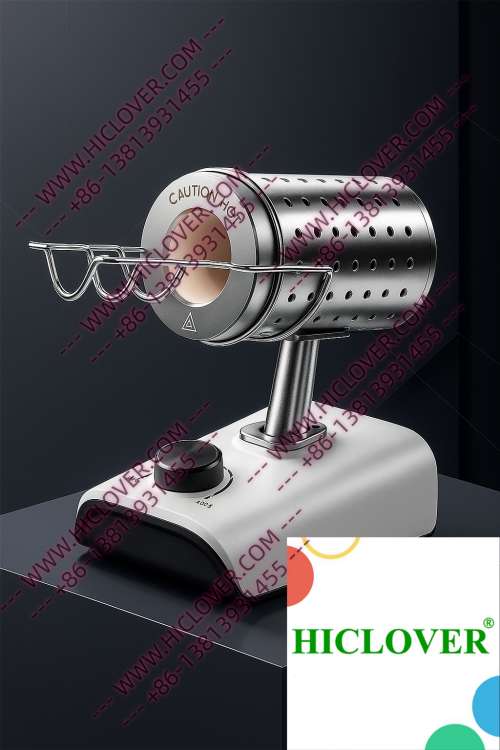
At the heart of the micro incinerator technology lies the principle of rapid thermal sterilization. Unlike traditional flame sterilizers, which pose risks of incomplete sterilization and aerosol generation, infrared sterilization employs an enclosed ceramic heating chamber that produces high-temperature infrared heat. This method ensures that both the surface and the core of the inoculating loops achieve target sterilization temperatures almost instantaneously.
The micro incinerator’s advanced configuration features a precise temperature control mechanism, allowing users to set optimal heat levels for various laboratory applications. This not only enhances safety but also streamlines workflows in busy environments where sterility is essential.
Application Scenarios in Real Laboratories
1. Biosafety Cabinets: In BSL-2 and BSL-3 labs, where biological agents may be handled, the use of micro incinerators ensures that sterilization occurs safely within the confines of a biosafety cabinet. Conventional flame sources can compromise the sterile environment and introduce aerosols. The infrared sterilizer, however, operates within a clean-bench-safe model, allowing for efficient sterilization without compromising biosafety.
2. Field Testing Laboratories: For mobile laboratories conducting field tests—such as environmental monitoring or epidemiological studies—the lightweight and portable design of the infrared inoculating loop sterilizer offers a significant advantage. In the absence of reliable flame sources, these devices can provide rapid disinfection effectively, whether used in open environments or within designated field units.
Compliance and Environmental Considerations
The World Health Organization (WHO) lays down rigorous biosafety standards that emphasize the importance of sterilization in laboratories. Compliance with these standards is critical, especially in sensitive environments such as clean rooms where open flames are prohibited due to fire hazards and the potential for particulate contamination. Traditional flame sterilizers, like alcohol lamps and Bunsen burners, pose risks of generating aerosols, making infrared sterilizers a clear choice for lab safety and operational compliance.
| Feature | Micro Incinerator | Flame Burners |
|---|---|---|
| Operation Mode | Infrared heat | Open flame |
| Safety | Low risk of fire, no aerosol generation | Potential fire hazards, aerosol risks |
| Temperature Control | Precise temperature settings | Manual control, variable consistency |
| Portability | Lightweight and compact | Bulky and requires gas source |
Optimizing Laboratory Workflows
When working in high-throughput laboratories, time is of the essence. The micro incinerator’s rapid heating capability allows for quick transitions between sterilization cycles, enhancing productivity and minimizing downtime. As the demand for clean microbial analysis rises, understanding the thermal management provided by these advanced sterilizers is fundamental to laboratory efficacy.
Frequently Asked Questions
- What is the temperature range of a micro incinerator? The precise temperature varies by model, but they typically reach 800 to 1000°C within seconds.
- How does an infrared inoculating loop sterilizer handle aerosols? Unlike traditional flame sterilizers, infrared models eliminate aerosol production by providing a controlled, enclosed sterilization process.
- Are micro incinerators compliant with international standards? Yes, they often adhere to lab sterilization standards mandated by organizations like WHO and various national safety authorities.
- Can micro incinerators be used in field testing environments? Absolutely! Their portability and efficiency make them ideal for use in mobile laboratory settings.
- What benefits do micro incinerators have over flame sterilizers? They offer superior safety, better temperature control, and increased operational efficiency, making them a preferred choice for modern laboratories.
Conclusion
As laboratories across the globe adapt to evolving biosafety challenges, the emergence of technologies such as the micro incinerator and infrared inoculating loop sterilizer is paving the way for enhanced contamination control. By investing in reliable sterilization equipment, research centers, hospitals, and universities can ensure compliance with existing safety standards while improving workflow efficiency.
If you’re ready to upgrade your laboratory sterilization practices, contact us today to learn more about our advanced micro incinerator solutions and how they can elevate your laboratory’s operational standards.
Categories:
Tags: