
In today’s laboratory environments, biosafety challenges continually evolve, demanding innovative solutions for sterilization workflows. One critical area of focus is the need for effective sterilization equipment that not only meets hygiene and safety standards but also preserves the integrity of biological materials. This is where the Micro Incinerator / Infrared Inoculating Loop Sterilizer emerges as a game-changing technology, particularly advantageous in a variety of settings, from clinical diagnostics to university teaching labs.
Understanding the Technical Principles of Micro Incinerators
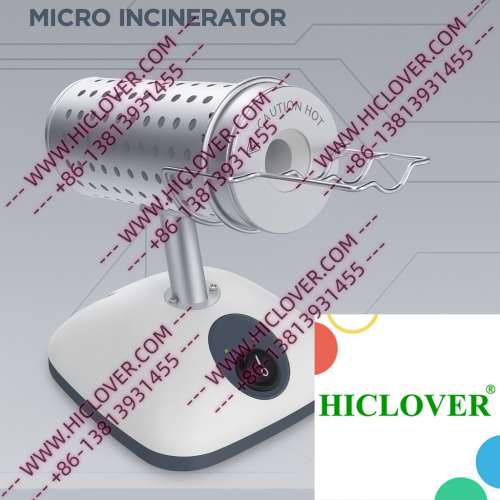
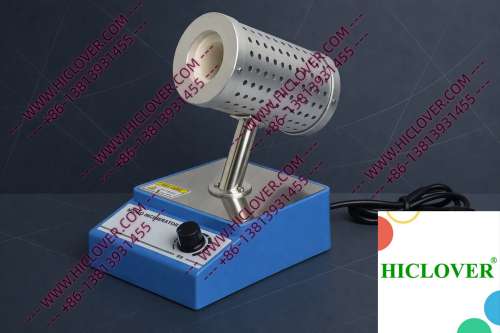
The Micro Incinerator operates on the principle of rapid thermal sterilization using infrared heat. Unlike traditional flame sterilizers, which involve open flames and can pose a hazard in cleanroom environments, a micro incinerator features an enclosed ceramic heating chamber. This innovation allows for high-temperature disinfection without the risks associated with flame exposure. Infrared radiation efficiently targets the inoculating loops and tools, ensuring thorough sterilization while maintaining a clean-bench-safe environment.
Comparative Advantages Over Traditional Flame Sterilizers
| Feature | Micro Incinerator | Flame Burners |
|---|---|---|
| Safety | Enclosed, aerosol-free handling | Open flames, increased risk of contamination |
| Efficiency | Rapid thermal sterilization | Variable time, risk of incomplete sterilization |
| Usability | Easy to use in various settings | Increased training required |
| Biosafety Compliance | Meets WHO standards | Not suitable for sterile environments |
Applications in Various Laboratory Environments
The use of the Micro Incinerator extends to several practical scenarios, showcasing its versatility:
- Biosafety Cabinets: In BSL-2 and BSL-3 microbiology labs, the Micro Incinerator excels in maintaining sterilization protocols. Its closed-system design prevents any aerosol dispersal, which is critical when handling infectious agents.
- Field Testing Labs: In remote field testing scenarios, mobile sterile environments can be created easily using portable micro incineration units. They provide reliable sterilization for inoculating loops and swabs, crucial for microbial assessments in outdoor environments.
- University Teaching Labs: In academic settings, the Micro Incinerator is ideal for educational sterilization demonstrations. Its user-friendly design ensures that students can quickly learn sterilization methods without the associated risks of traditional flame techniques.
Compliance and Environmental Considerations
Compliance with international biosafety standards is paramount in laboratory practices. The World Health Organization (WHO) emphasizes safe sterilization practices for laboratories handling potentially hazardous materials. Flame sterilizers used in clean rooms can lead to aerosol contamination, creating safety breaches that are avoided with infrared sterilization equipment.
The Micro Incinerator aligns with global sterilization standards, assuring laboratories in Colombia and beyond that their sterilization practices will enhance safety and environmental responsibility. Institutions can confidently adopt such technology, knowing it respects both regulatory compliance and ecological concerns.
Real-World Impact in Colombia
As Colombia aligns with international best practices in laboratory safety, the adoption of micro incineration technology may significantly improve local waste management and contamination control strategies. Specifically, as hospitals and research institutions transition to infrared sterilizers, they’ll not only enhance safety but also promote sustainable laboratory operations, crucial in a world increasingly affected by environmental challenges.
Frequently Asked Questions
- What is the main advantage of using a Micro Incinerator over traditional sterilizers?
Micro Incinerators provide fast, efficient sterilization without the risks associated with flames, making them safer and more applicable in sterile environments. - Can Micro Incinerators be used in all laboratory settings?
Yes, they are suitable for BSL-2 and BSL-3 labs, field testing scenarios, and educational environments. - How does the infrared sterilization process work?
The device uses enclosed ceramic tubes that emit infrared heat, ensuring thorough sterilization of inoculating loops and other instruments quickly and effectively. - What safety standards do Micro Incinerators meet?
They comply with WHO biosafety standards and other laboratory sterilization regulations. - Are Micro Incinerators environmentally friendly?
Yes, they do not produce aerosols during sterilization, thus they reduce the risk of contamination and are considered a sustainable option.
Conclusion
The transition to micro incineration represents a significant advancement in the future of waste management within laboratory settings. With their enhanced safety features and compliance with established biosafety standards, Micro Incinerators / Infrared Inoculating Loop Sterilizers are set to revolutionize sterilization workflows in Colombia and beyond. For those looking to upgrade or invest in reliable sterilization technology, the time to act is now. Explore our high-quality selections to elevate your lab’s safety and efficiency.