
In today’s world, effective waste management is a pressing concern, particularly for remote communities. Traditional disposal methods, such as open burning or landfilling, pose not only environmental risks but also health hazards. For laboratories within these communities, the need for reliable sterilization workflows is critical, especially when it comes to managing biological waste and ensuring contamination control. Micro incinerators, particularly the Micro Incinerator / Infrared Inoculating Loop Sterilizer, are emerging as essential tools in addressing these challenges.
Laboratory Biosafety Challenges
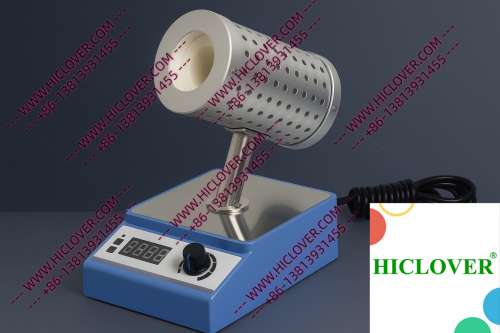
Laboratories often face significant biosafety challenges, especially in remote or under-resourced areas. Ensuring the safety and efficacy of microbiological practices is paramount, particularly in BSL-2 and BSL-3 labs where pathogenic organisms are handled. Traditional flame sterilizers, such as bunsen burners and alcohol lamps, can produce aerosols, potentially leading to contamination during sterilization processes. Additionally, the use of an open flame in a clean environment can compromise biosafety standards.
Technical Principles of Micro Incinerators
The core technical principle behind the Micro Incinerator / Infrared Inoculating Loop Sterilizer lies in rapid thermal sterilization. It operates with a powerful ceramic heating chamber that generates high-temperature infrared heat. This technology allows for precise and efficient sterilization without the risks associated with flames.
- Enclosed ceramic tube: The design minimizes aerosol generation and enhances user safety.
- Rapid heatiing: Sterilization occurs in seconds, significantly improving workflow efficiency.
- Clean-bench-safe: The device is ideal for use in biosafety cabinets and clean rooms.
- No open flames in clean rooms, thus reducing contamination risk.
- Rapid sterilization aligns with WHO biosafety recommendations.
- Efficient waste management reduces environmental impact.
- What is a Micro Incinerator?
A Micro Incinerator is a laboratory device that rapidly sterilizes tools using infrared heat, providing a safe alternative to traditional flame sterilizers. - How does the Micro Incinerator work?
It uses a ceramic heating chamber that emits high-temperature infrared heat to achieve quick sterilization. - Is it compliant with biosafety regulations?
Yes, it meets WHO biosafety standards by providing a flame-free sterilization method ideal for clean environments. - Can it be used in remote locations?
Absolutely! Its compact design makes it suitable for use in mobile or field testing labs. - What are the main advantages over flame sterilizers?
The Micro Incinerator offers rapid sterilization, improved contamination control, and enhanced safety due to its enclosed design.
Application Scenarios in Laboratories
1. University Teaching Labs
In university teaching labs, the Micro Incinerator proves invaluable for students learning microbiological techniques. The ability to perform quick sterilization safely encourages an efficient workflow, allowing students to focus on experimentation rather than concerns about contamination. For instance, students can use the device to sterilize inoculating loops quickly before applying them to agar plates.
2. Mobile Field Testing Labs
Mobile laboratories used for field testing in remote regions can also benefit from micro incinerators. Traditional sterilization methods may not be feasible or safe in outdoor settings where access to gas or electric sources is limited. The compact and self-contained design of the Micro Incinerator ensures that researchers can effectively manage their waste and equipment sterilization in diverse and challenging environments.
Compliance and Environmental Standards
Adhering to biosafety compliance standards is non-negotiable for any laboratory, especially when dealing with potential pathogens. The World Health Organization (WHO) outlines strict guidelines for lab sterilization, necessitating devices that minimize the risk of contamination and protect operators. The Micro Incinerator satisfies these standards:
Regions such as urban areas in Nairobi, Kenya, or rural settings in British Columbia, Canada can particularly benefit from these devices as they struggle with effective waste management.
Advantages Over Traditional Flame Sterilizers
| Features | Micro Incinerator | Traditional Flame Sterilizers |
|---|---|---|
| Contamination Control | Aerosol-free handling | Risk of aerosol generation |
| Efficiency | Rapid thermal sterilization | Slower, manual flame management |
| User Safety | Enclosed design | Open flames in operation |
Frequently Asked Questions
Conclusion
In a world increasingly focused on biosafety and environmental sustainability, the Micro Incinerator / Infrared Inoculating Loop Sterilizer stands out as an essential tool for laboratories, particularly in remote communities. By transforming biological waste into ash efficiently and safely, it not only meets sterilization workflow demands but also adheres to rigorous compliance standards. If you are looking to enhance your laboratory capacity with this advanced sterilization technology, we invite you to reach out and discover how the Micro Incinerator can fit your needs.
Categories:
Tags: