
As healthcare facilities and laboratories strive to provide safe and sterile environments, the demand for effective sterilization solutions increases. High-temperature sterilization, especially with devices like the Micro Incinerator or Infrared Inoculating Loop Sterilizer, presents a powerful solution to overcome common biosafety challenges, particularly in laboratory workflows. The efficacy of these advanced sterilization devices hinges on their ability to deliver rapid thermal sterilization without introducing hazardous open flames, making them essential tools in modern lab settings.
Practical Laboratory Biosafety Challenges
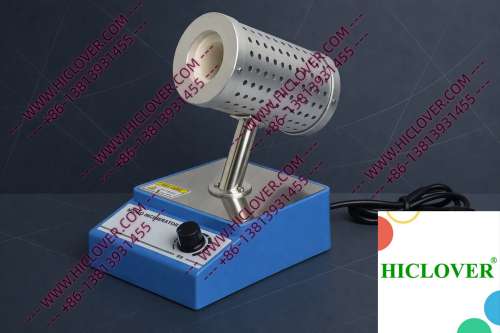
In BSL-2 and BSL-3 microbiology labs, maintaining an uncontaminated environment is paramount. Traditional flame sterilizers, such as Bunsen burners and alcohol lamps, pose several risks, including generating aerosols and compromising the sterile environment of clean benches. The introduction of high-temperature infrared sterilizers mitigates these risks by enabling cleaner, more efficient, and compliant sterilization methods. While traditional methods involve open flames, which can lead to potential contamination, the Micro Incinerator utilizes an enclosed ceramic heating chamber, significantly reducing contamination risks and enhancing biosafety.
Technical Principle: Infrared Heat Technology
The core technology behind high-temperature sterilizers like the Micro Incinerator involves the use of infrared heat generated through a ceramic tube structure. This method provides:
- Uniform Heating: The ceramic tube ensures even distribution of heat, allowing for rapid thermal sterilization.
- Enclosed Design: This minimizes the exposure of the sterilization process to the surrounding environment, effectively controlling aerosol transmission.
- Ease of Use: The Micro Incinerator can reach high temperatures swiftly, allowing for quick sterilization of inoculating loops, needles, and other lab instruments.
- What are the benefits of using a Micro Incinerator over a flame sterilizer?
The Micro Incinerator offers enhanced safety, precise temperature control, and reduced contamination risks, making it ideal for modern laboratory workflows. - How does the Micro Incinerator comply with WHO biosafety standards?
It uses enclosed sterilization technology that adheres to the health and safety guidelines established by WHO, making it suitable for BSL-2 and BSL-3 lab environments. - Can the Micro Incinerator be used in field testing labs?
Yes, its lightweight and efficient design make it a preferred choice for laboratory sterilization in field testing scenarios.
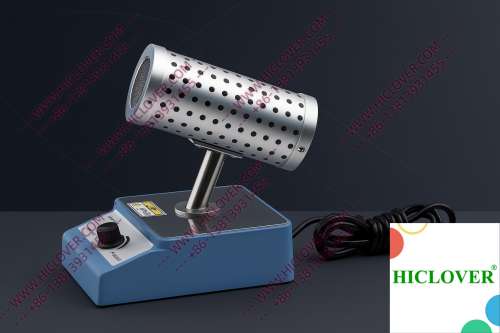
Application Scenarios in Real Labs
1. University Teaching Labs
In educational institutions such as those in London or New York, where microbiology and biotechnology courses are prevalent, the Micro Incinerator plays a crucial role in laboratory teaching. Students can efficiently sterilize inoculating loops in a controlled manner, eliminating the dangers associated with flame-based methods. This not only enhances their learning experience but also ingrains best practices for biosafety and contamination control, crucial for their future careers in the healthcare industry.
2. Clinical Diagnostics in Field Testing
During field testing, particularly in remote areas or countries like India or Brazil, deploying laboratory-grade sterilization methods is vital. The Micro Incinerator’s lightweight design and rapid startup time make it an ideal companion for mobile labs. Without the dependency on traditional flame sterilizers, healthcare professionals can maintain sterile conditions while collecting and analyzing clinical samples safely and efficiently.
Compliance and Environmental Considerations
Adhering to the WHO biosafety standards and lab sterilization guidelines is essential for laboratories worldwide. The Micro Incinerator meets or exceeds compliance requirements across various regions, ensuring safe operations in sensitive environments such as clean rooms.
Furthermore, the elimination of open flames contributes to a safer lab environment, reducing overall fire hazards and minimizing the need for stringent safety protocols traditionally associated with flame sterilization. Laboratories can confidently integrate this advanced sterilization method into their standard operating procedures, significantly enhancing laboratory safety and compliance.
Comparison of Micro Incinerator vs. Traditional Flame Burners
| Feature | Micro Incinerator | Traditional Flame Sterilizer |
|---|---|---|
| Temperature Control | Precise high-temperature regulation | Variable, dependent on user |
| Safety | No open flame, lower risk of contamination | Open flames pose contamination risks |
| Operational Environment | Suitable for clean rooms and BSL labs | Limited usage in sensitive lab environments |
| Ease of Use | Quick operational readiness | Manual igniting required, less efficient |
| Environmental Impact | Minimal emissions | Produces flames and smoke |
Frequently Asked Questions (FAQs)
Conclusion
As laboratories and healthcare facilities navigate the complexities of sterilization needs, the Micro Incinerator/Infrared Inoculating Loop Sterilizer stands out for its efficiency, safety, and compliance. By replacing traditional flame sterilizers with this advanced technology, labs can enhance their sterilization workflows while ensuring a sterile and safe working environment.
For more information on how the Micro Incinerator can elevate your laboratory operations, contact us today. Experience the future of laboratory sterilization with high-temperature loop sterilization technology!
Categories:
Tags: