
The evolution of laboratory sterilization demands innovative solutions that effectively address the challenges of biosafety, particularly in high-stakes environments like BSL-2 and BSL-3 microbiology labs. With increasing awareness of contamination control and the need for efficient workflows, the Micro Incinerator, specifically the Infrared Inoculating Loop Sterilizer, has emerged as a powerful alternative to traditional flame sterilizers, such as alcohol lamps and Bunsen burners.
Understanding the Technology Behind Micro Incinerators
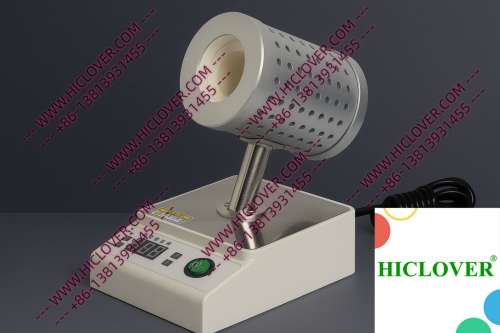
Micro incinerators utilize infrared heat to achieve rapid thermal sterilization, an essential aspect of contamination prevention in laboratory settings. These devices are designed with a ceramic heating chamber that creates a controlled environment devoid of flames, ensuring safe usage within clean rooms and biosafety cabinets.
The infrared technology employed in micro incinerators allows for high-temperature disinfection without producing aerosols or requiring extended heating times. The enclosed ceramic tube provides an efficient and consistent heating source, capable of reaching temperatures well above 800°C, thereby effectively sterilizing inoculating loops, blades, and other laboratory tools.
Applications of Micro Incinerators in Laboratories
Micro incinerators excel in a variety of laboratory settings. Below are two significant application scenarios:
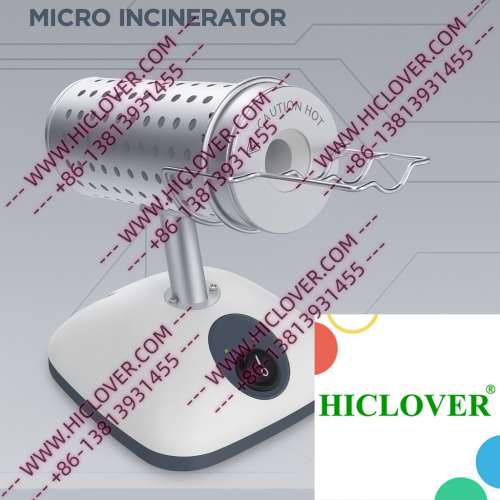
- Biosafety Cabinets: In BSL-2 and BSL-3 labs, contamination control is paramount. Using a micro incinerator within a biosafety cabinet allows researchers to sterilize tools quickly between uses, significantly reducing the risk of biohazard exposure and cross-contamination.
- Field Testing: In mobile or field testing labs, the portability and efficiency of a micro incinerator are invaluable. Its compact design allows personnel to maintain a high level of sterilization in environments where traditional flame sterilizers would be impractical and pose safety hazards.
Compliance and Environmental Considerations
Adherence to biosafety regulations, including guidelines issued by the World Health Organization (WHO), is crucial for laboratory operations. The use of flame sterilizers in clean rooms can compromise air quality and safety, leading to potential violations of sterilization standards. Micro incinerators, however, meet these stringent guidelines through:
- No Flame Technology: Preventing the introduction of combustible materials or aerosols.
- Rapid Sterilization Times: Enhancing turnaround times for laboratory workflows while maintaining safety.
By employing micro incinerators, laboratories can ensure compliance with sterilization standards while also promoting environmentally friendly practices through waste-to-energy conversion.
Comparison: Micro Incinerator vs. Flame Burners
| Feature | Micro Incinerator | Flame Burners |
|---|---|---|
| Temperature Control | Precise infrared regulation | Variable with user skill |
| Safety | No open flame, reduced risk | Open flame, risk of burns |
| Contamination Control | Aerosol-free handling | Potential for aerosol generation |
| Usage Environment | Suitability for clean rooms | Limited use in clean spaces |
Frequently Asked Questions
What are the key benefits of using micro incinerators in laboratories?
Micro incinerators offer rapid thermal sterilization, better safety profiles without flames, and enhanced compliance with biosafety standards, making them ideal for sensitive laboratory environments.
Can micro incinerators be used in field testing labs?
Yes, their portable design and efficient operation make micro incinerators an excellent choice for field testing applications, ensuring sterilization wherever needed.
How do micro incinerators improve contamination control?
By utilizing infrared technology that eliminates aerosol production during sterilization, micro incinerators provide a safer alternative for managing contamination risks in laboratory settings.
Are micro incinerators compliant with WHO biosafety standards?
Yes, they are designed to meet the stringent biosafety regulations outlined by WHO, making them suitable for use in specialized microbiology labs.
What types of laboratory tools can be sterilized with a micro incinerator?
Micro incinerators are effective for sterilizing inoculating loops, needles, scalpels, and other small laboratory tools essential for microbiological work.
Conclusion
As laboratories strive for improved biosafety and sterilization efficiency, micro incinerators stand out as a leading solution. Their advanced technology, safety features, and compliance with international standards make them an excellent investment for universities, research centers, hospitals, and NGOs alike. If you’re looking to enhance your laboratory’s sterilization workflow, consider exploring reputable micro incinerator suppliers in the USA to find the right model for your needs. For inquiries and purchases, don’t hesitate to reach out!
Categories:
Tags: