
In laboratory environments, particularly in Israel’s progressive bioscience sector, the evolving challenges of waste management and sterile procedures have prompted a serious reassessment of lab sterilization equipment. Contamination control is critical in preventing the spread of pathogens and ensuring that the integrity of research is maintained. Traditional sterilization methods, such as alcohol lamps or Bunsen burners, are increasingly being overshadowed by contemporary solutions like the Micro Incinerator, also known as the Infrared Inoculating Loop Sterilizer.
Understanding the Technical Principles
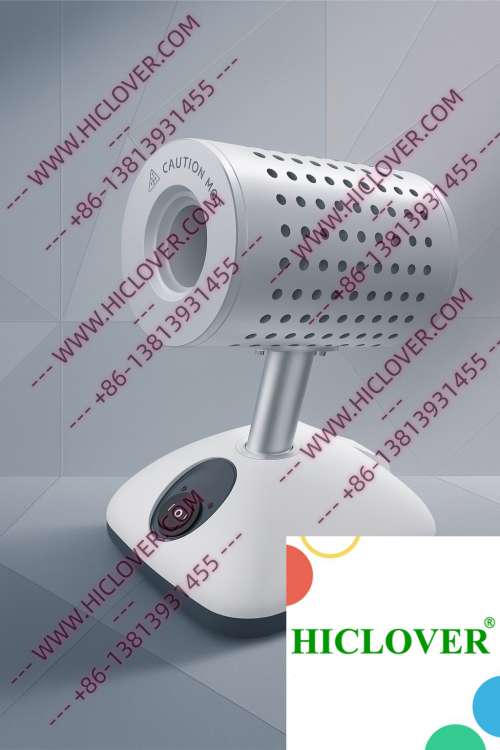
The Micro Incinerator operates on the principle of rapid thermal sterilization. Utilizing infrared technology, it generates immense heat through a ceramic heating chamber to achieve high-temperature disinfection quickly. This enclosed ceramic tube offers an environment that is safe from contamination, making it suitable for various applications from teaching labs to high-stakes BSL-2/BSL-3 microbiology settings.
The infrared heating mechanism allows for precise thermal management, enabling laboratory personnel to effectively sterilize inoculating loops and other small instruments without the hassles associated with open flames. Unlike traditional methods that produce aerosols, the Micro Incinerator ensures aerosol-free handling, making it an ideal choice for contamination-sensitive environments.
Applications in Real Laboratory Settings
1. University Teaching Labs
In educational institutions across Israel, where labs play a pivotal role in shaping the next generation of scientists, the Micro Incinerator is redefining laboratory workflows. For example, in a microbiology teaching lab, students can perform inoculation exercises with heightened safety. The ability to sterilize loops quickly and without smoke enhances the learning experience and fosters an environment of efficiency.
2. BSL-2/BSL-3 Microbiology Labs
Within BSL-2 and BSL-3 laboratories, researchers face stringent biosafety protocols to prevent contamination. Here, the Micro Incinerator stands out by ensuring compliance with WHO biosafety standards. Its design allows for the immediate sterilization of equipment, thus minimizing exposure time and maintaining sterile environments critical for clinical diagnostics and research on infectious agents.
Compliance and Environmental Considerations
Laboratory compliance with international biosafety regulations is not just important; it is crucial. The Micro Incinerator offers significant advantages:
- Adherence to WHO biosafety standards
- No flame, making it suitable for clean rooms and environments requiring high sterility
- Reduction of hazardous waste typically associated with traditional flame sterilizers
The environmental footprint of using Micro Incinerators contrasts starkly with combustible methods, which can generate harmful by-products and increase the lab’s overall pollution levels. The infrared technology not only supports greater safety protocols but also aligns with the global push towards reducing laboratory waste and energy consumption.
Micro Incinerator vs. Traditional Flame Sterilizers
| Feature | Micro Incinerator | Flame Sterilizers |
|---|---|---|
| Heating Method | Infrared | Direct flame |
| Aerosol Production | No | Yes |
| Stability in Clean Areas | High | Limited |
| Waste Production | Minimal | High |
| Ease of Use | Simple | Requires skill |
FAQs about Micro Incinerators
What is the operating temperature range of a Micro Incinerator?
The Micro Incinerator can achieve temperatures exceeding 800 degrees Celsius, providing rapid sterilization for laboratory implements.
Is the Micro Incinerator safe to use in a BSL-3 lab?
Yes, the Micro Incinerator meets the strict requirements for BSL-3 labs by allowing for aerosol-free sterilization, which is paramount in such environments.
How does the Micro Incinerator compare to traditional flame sterilizers in terms of efficiency?
Compared to traditional flame sterilizers, the Micro Incinerator offers higher thermal efficiency with faster sterilization cycles, thus minimizing wait times in a busy lab.
Is it suitable for field testing labs?
Yes, its portability and ease of operation make it ideal for mobile labs in field testing scenarios.
What are the maintenance requirements for a Micro Incinerator?
Minimal maintenance is required as there are no open flames and the ceramic components are durable.
Conclusion
In conclusion, the Micro Incinerator presents a significant advancement in the fight against waste pollution in laboratory environments across Israel and beyond. Its innovative design not only meets compliance standards but also enhances the safety and efficiency of sterilization workflows. As laboratories seek solutions that align with both operational efficacy and environmental responsibility, Micro Incinerators are poised to become an essential component in modern scientific research and education.
If you are looking to upgrade your laboratory sterilization equipment, consider the Micro Incinerator as a reliable and efficient solution. Contact us today to learn more about how this game-changing technology can revolutionize your laboratory practices.
Categories:
Tags: