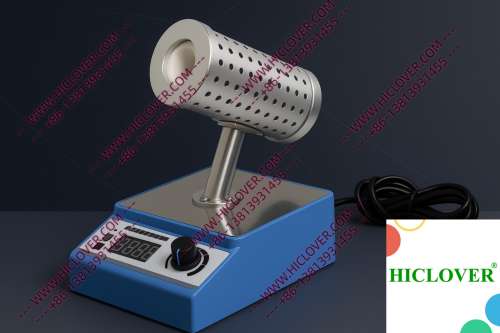
In an age where scientific advancement must align with environmental consciousness, laboratory biosafety presents numerous challenges. Traditional methods of sterilization, such as Bunsen burners or alcohol lamps, often create undesirable byproducts, posing contamination risks and safety concerns. This is particularly acute in resource-constrained settings such as community laboratories in Indonesia, where mobility and safety are paramount. As a solution, the emergence of Micro Incinerators, particularly the Infrared Inoculating Loop Sterilizer, is revolutionizing how we approach laboratory waste management while simultaneously empowering local communities.
The Science Behind Micro Incinerators
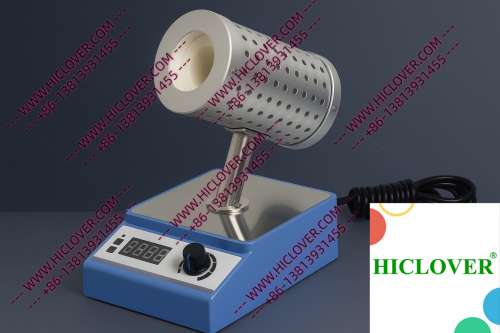
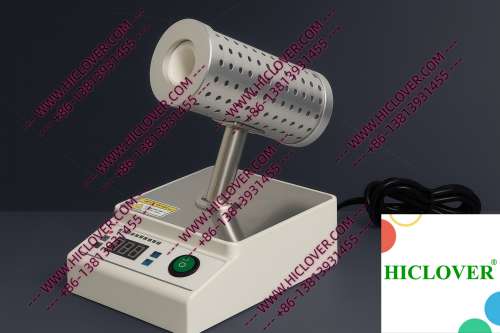
The Micro Incinerator operates using cutting-edge infrared technology, providing efficient and rapid thermal sterilization of inoculating loops and other laboratory instruments. The unit features a ceramic heating chamber that reaches high temperatures quickly, effectively disinfecting items without the hazards associated with open flames. The enclosed design ensures aerosol-free handling, promoting a biosafety-compliant work environment with minimal risk to lab personnel.
Equipped with a high-performance heating element, the Micro Incinerator achieves sterilization without the need for external fuels or complicated setups. This compact and energy-efficient device is ideally suited for both laboratory and mobile environments, making it perfect for diverse applications, from clinical diagnostics to field testing and educational training.
Applications in Real Laboratory Settings
- Biosafety Cabinets: Within BSL-2 laboratories, the Micro Incinerator’s capabilities ensure that sterilization can occur without fear of contamination or the release of harmful pathogens. The discreet operation allows staff to focus on critical procedures in a controlled environment.
- Field Testing: Mobile labs operating outside traditional settings benefit greatly from using infrared sterilizers. The portability of the Micro Incinerator allows field researchers to maintain high levels of hygiene and safety while conducting tests in remote regions.
- University Teaching Labs: In educational institutions, incorporating the Micro Incinerator into laboratory curricula enables students to learn proper sterilization techniques while minimizing contamination risks. This hands-on experience is invaluable for the next generation of scientists.
- It eliminates the risk of fire hazards associated with traditional flame-based sterilizers.
- It complies with lab sterilization standards, ensuring a clean workspace.
- It is safe for use in clean rooms where eliminating open flames is crucial for maintaining a sterile environment.
- What are the primary benefits of using a Micro Incinerator?
- The Micro Incinerator offers efficient sterilization, reduced contamination risk, environmental sustainability, and improved safety compared to traditional flame sterilizers.
- Can Micro Incinerators be used in field laboratories?
- Yes, their compact and portable design makes them ideal for field testing and mobile labs.
- How does the sterilization process work in a Micro Incinerator?
- The device utilizes infrared heat to rapidly sterilize instruments, eliminating microbes without flame exposure, ensuring safety and efficiency.
- Are there any specific guidelines for Micro Incinerator use in clinical settings?
- Yes, it must meet WHO biosafety requirements for cleaning and sterilization in clinical environments.
- What is the typical lifespan of a Micro Incinerator?
- With proper maintenance, a Micro Incinerator can last for several years, making it a durable investment for laboratories.
Compliance and Environmental Considerations
When utilizing sterilization equipment, adherence to biosafety standards is non-negotiable. The WHO guidelines emphasize the importance of effective sterilization procedures to prevent the spread of infections. The Micro Incinerator stands out because:
In Indonesia, where environmental sustainability is a pressing issue, the Micro Incinerator reduces carbon footprints by efficiently sterilizing waste without contributing to air pollution, a significant improvement over traditional methods.
Comparison Table: Micro Incinerator vs. Traditional Flame Sterilizers
| Feature | Micro Incinerator | Flame Sterilizers |
|---|---|---|
| Operating Temperature | Up to 800°C | Varies widely |
| Safety | Enclosed system, low risk | High risk of burns and fire |
| Convenience | Portable, no external fuel | Requires gas or alcohol source |
| Environmental Impact | Minimal emissions | Higher emissions and risks |
FAQs About Micro Incinerators
Conclusion
The adoption of Micro Incinerators represents a significant advancement in laboratory sterilization practices in Indonesia and beyond. From universities to field settings, the benefits of these devices are clear—enhanced safety, efficiency, and environmental compliance. Investing in a Micro Incinerator not only transforms waste management but also empowers local communities to conduct research safely and responsibly.
If you’re interested in enhancing your laboratory’s sterilization capabilities, contact us today to learn more about how Micro Incinerators can help your operations succeed while protecting community health and the environment.
Categories:
Tags: