
In the ever-evolving field of veterinary medicine and laboratory research, the challenge of waste disposal continues to be paramount. Laboratories and veterinary clinics face practical biosafety concerns and stringent sterilization workflow demands, necessitating innovative solutions. Traditional methods such as alcohol lamps and Bunsen burners often present risks, including flame hazards, contaminated aerosols, and inefficiencies in rapid thermal sterilization. This article explores micro incineration technology, particularly the Micro Incinerator / Infrared Inoculating Loop Sterilizer, as a viable alternative for effective laboratory sterilization.
Technical Principles of Micro Incineration
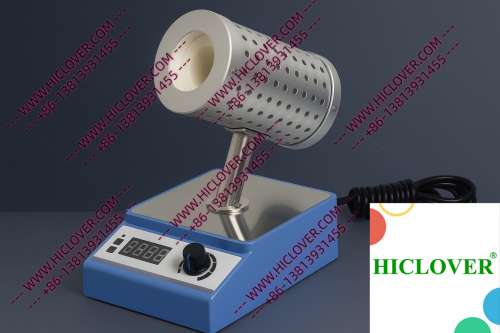
The Micro Incinerator employs advanced infrared heating technology that provides an enclosed ceramic heating chamber. This design allows for rapid thermal sterilization, ensuring that laboratory tools and samples are free from contamination. Infrared high-temperature disinfection lasts from a few seconds up to 30 minutes, depending on the object being sterilized. Unlike traditional flame sterilizers, which often disperse contaminants, the Micro Incinerator operates in a clean-bench-safe manner, minimizing the risk of aerosols and ensuring sterile conditions.
Why Choose Micro Incineration Over Traditional Flame Sterilizers?
| Feature | Micro Incinerator | Flame Sterilizers |
|---|---|---|
| Temperature Control | Precise infrared regulation | Variable and uncontrolled |
| Contamination Risk | Low aerosol generation | High aerosol dispersion |
| Safety | No flame, minimal risk | Fire hazard |
| Efficiency | Rapid heating & sterilization | Slower heating process |
Application Scenarios in Real Labs
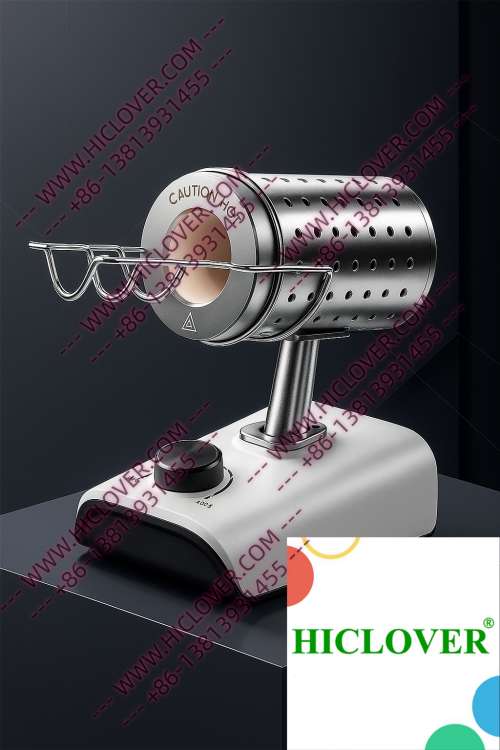
The versatility of the Micro Incinerator is readily observable across various laboratory settings. Below are two compelling application scenarios:
- Biosafety Cabinet: In a BSL-2 or BSL-3 microbiology lab, the use of a Micro Incinerator provides a safe way to sterilize inoculating loops without exposing staff and samples to an open flame. This not only enhances workflow efficiency but also ensures compliance with laboratory safety standards.
- Teaching Labs: University teaching laboratories utilizing the Micro Incinerator can provide students with a modern, safe, and effective apparatus for sterilization. Educational institutions can focus on contamination control without distracting students with flame-related hazards.
Compliance and Environmental Considerations
Compliance with biosafety guidelines, such as those outlined by the World Health Organization (WHO), is crucial for laboratory operation. Micro Incinerators substantially reduce the risks associated with traditional flame sterilizers by eliminating exposed flames and aerosol generation. This makes them suitable for clean rooms and environments where maintaining contamination-free conditions is critical.
In addition, the design and technology behind these instruments align with modern lab sterilization standards, enabling veterinary practices to adhere to ever-strict evolving regulations and safety requirements. For instance, in urban areas like New York City, veterinary clinics can leverage micro incineration technology to meet local safety regulations more effectively.
FAQs
- What is a Micro Incinerator? A Micro Incinerator is a sterilization device using infrared heat within an enclosed chamber to rapidly sterilize laboratory instruments, eliminating contamination risk effectively and safely.
- How does the infrared technology work? Infrared technology heats targeted tools rapidly, producing a controlled environment where sterilization occurs without dispersing harmful aerosols.
- Can a Micro Incinerator be used in mobile testing labs? Yes, its portability and efficiency make it ideal for mobile or field testing labs that require immediate sterilization without the use of open flames.
- Are Micro Incinerators suitable for all laboratory settings? They are particularly effective in BSL-2 and BSL-3 labs, teaching laboratories, and clean rooms where contamination control is paramount.
- How does the Micro Incinerator compare in cost to traditional methods? While the initial investment may be higher, the long-term advantages in safety, efficiency, and compliance often lead to cost savings.
Conclusion
The Micro Incinerator / Infrared Inoculating Loop Sterilizer stands out as a transformative tool in the future of veterinary waste disposal and laboratory sterilization. It offers a superior alternative to traditional flame sterilizers by assuring rapid sterilization without the associated risks of flames and aerosols. For veterinary clinics, research centers, and educational institutions looking to enhance their sterilization protocols, adopting micro incineration technology is not just advantageous but essential.
If you are interested in improving your laboratory’s sterilization workflow and enhancing biosafety measures, reach out to our experts today to explore purchasing options for the Micro Incinerator. Experience the benefits of modern sterilization technology and ensure a safer clinical environment for all.