
As laboratory environments increasingly emphasize safety and efficiency, microbiology practices confront significant biosafety challenges and sterilization workflow demands. Ensuring rapid and effective sterilization in various laboratory settings is imperative for contamination control and laboratory safety. Amidst traditional sterilization methods, the Micro Incinerator—particularly the Infrared Inoculating Loop Sterilizer—has emerged as an innovative solution.
The Advantages of Micro Incinerators Over Traditional Flame Sterilizers
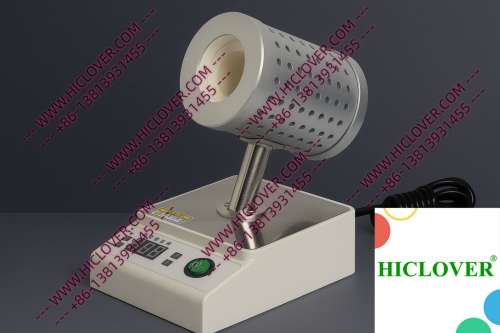
Traditional sterilization techniques, such as alcohol lamps and Bunsen burners, often face issues related to safety and efficiency. Flame-based methods can introduce contaminants due to open flames and may pose risks in sensitive laboratory environments. Conversely, micro incinerators utilize infrared heat, enabling:
- Rapid Thermal Sterilization: The high-temperature disinfection achieved occurs in mere seconds, significantly reducing waiting times.
- Contamination Control: Closed system operation minimizes the risk of aerosols, making it particularly safe for clean-room environments.
- Enclosed Ceramic Heating Chamber: This design ensures even heat distribution, enhancing effectiveness against various pathogens.
Technical Principles and Product Configuration
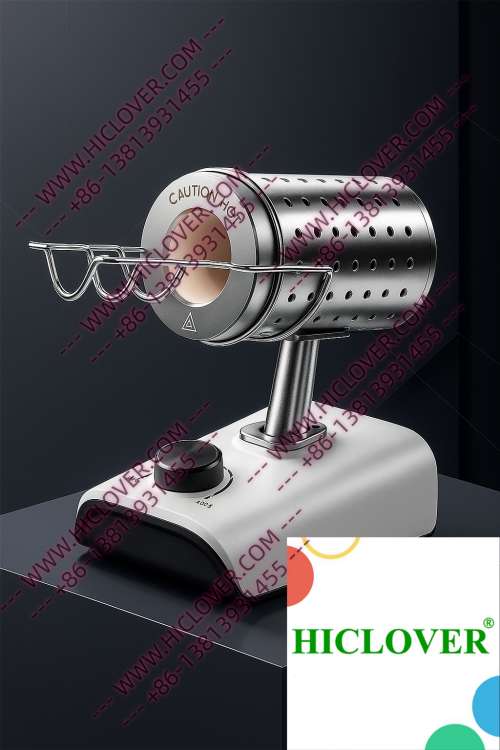
The Infrared Inoculating Loop Sterilizer operates through a highly precise infrared heating element housed within an enclosed ceramic tube. When powered on, the infrared heat rapidly elevates the temperature of the loop, achieving sterilization without the hazards associated with an open flame. Unlike traditional flame-based techniques, this method allows for aerosol-free handling of samples, essential in preventing cross-contamination in clean-room settings or during sensitive experiments.
Applications in Laboratory Settings
1. University Teaching Labs
In educational settings, such as universities in Mexico, microbiology labs often serve as both teaching and research hubs. Here, the Micro Incinerator offers a safe and efficient method for sterilizing inoculation loops, providing students hands-on experience with contemporary sterilization methods. Student-led experiments can be conducted with confidence, knowing they are using reliable, effective equipment that marginalizes biological hazards.
2. Clinical Diagnostics
In clinical diagnostics laboratories, the need for contamination control is critical. Micro Incinerators are widely utilized in BSL-2 and BSL-3 laboratories. For instance, health facilities in Mexico leverage this technology to sterilize equipment quickly and effectively, fulfilling stringent compliance mandates without compromising workflow efficiency. The inherent safety features of micro incinerators allow lab personnel to minimize exposure risks while handling potentially infectious materials.
Biosafety Compliance and Environmental Considerations
The World Health Organization (WHO) outlines strict biosafety regulations for laboratory practices, emphasizing the importance of effective sterilization techniques. Compliance with these standards ensures that laboratory operations minimize risks associated with microbial contaminants while safeguarding staff and environmental safety. Micro Incinerators align with these directives by providing a no-flame solution ideal for clean rooms and sterilization-intensive procedures.
Environmental sustainability also plays a crucial role in sterilization practices. Unlike traditional combustion-based sterilizers, micro incinerators significantly reduce the generation of harmful waste products associated with burning fuels. As Mexico continues to push for environmentally sustainable laboratory practices, adopting modern sterilizers like the Infrared Inoculating Loop Sterilizer aligns with both compliance and corporate responsibility goals.
Micro Incinerator vs. Traditional Flame Burners
| Feature | Micro Incinerator | Traditional Flame Burner |
|---|---|---|
| Safety | Closed system, no open flames | Open flames present contamination risks |
| Efficiency | Rapid thermal sterilization in seconds | Longer heating time |
| Contamination Control | Aerosol-free handling | Higher risk of contamination |
| Operational Cost | Minimal maintenance required | Requires fuel and generates waste |
Frequently Asked Questions
- What is the principle behind micro incineration? Micro incinerators utilize infrared heating technology to achieve rapid sterilization of inoculating loops and other small laboratory tools.
- Are micro incinerators safe to use in clean rooms? Yes, their enclosed design and lack of open flames make them ideal for use in clean rooms and biosafety cabinets.
- How do micro incinerators compare cost-wise with traditional sterilizers? Although initial investment may be higher, the reduction in consumables and enhanced operational efficiency often results in lower overall costs.
- Can micro incinerators fully replace traditional sterilization methods? While they significantly enhance safety and efficiency, different environments may still benefit from a variety of sterilization approaches.
- Where can I purchase a Micro Incinerator for laboratory use? Leading suppliers and laboratory equipment distributors in Mexico and internationally offer micro incinerators tailored to laboratory needs.
Conclusion
In conclusion, the transition from traditional flame sterilization methods to innovative solutions like Micro Incinerators represents a major advancement in laboratory microbiology practices, especially in Mexico. With their superior safety features, rapid sterilization capabilities, and compliance with strict biosafety standards, these devices are transforming the landscape of laboratory equipment. For laboratories seeking to enhance sterilization processes, contacting a trusted distributor for high-quality Micro Incinerator models is a valuable next step. Invest in safer, more efficient laboratory practices today.
Categories:
Tags: