
In laboratories across Argentina, the importance of biosafety cannot be overstated. Laboratories handling biological materials face unique challenges in sterilization workflows, which are essential to prevent contamination and ensure accurate results. As the nation moves toward more sustainable waste disposal methods, portable micro technologies, particularly the Micro Incinerator or Infrared Inoculating Loop Sterilizer, are emerging as effective solutions in both waste reduction and sterilization practices.
Laboratory Sterilization Challenges
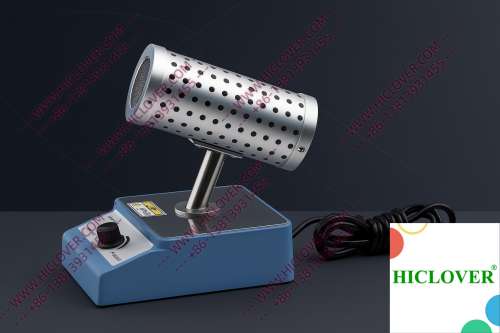
Laboratories routinely deal with sensitive materials that require stringent sterilization protocols. Traditional flame sterilizers, such as alcohol lamps and Bunsen burners, pose several complications, including fire hazards, the risk of aerosolized contaminants, and maintenance challenges. Laboratories need rapid thermal sterilization methods that ensure contamination control while being safe for cleanroom environments. This is where advances in portable micro technologies come into play, offering more reliable and efficient solutions for modern laboratory needs.
Technical Principles of the Micro Incinerator
The Micro Incinerator operates on the principle of infrared heat, utilizing a high-temperature ceramic heating chamber that can quickly sterilize inoculating loops and other small implements. The enclosed design minimizes exposure to open flames and significantly reduces the risk of airborne contaminants. Unlike traditional flame-based methods, the infrared sterilizer achieves these results with an energy efficiency that is both environment-friendly and conducive to laboratory workflow.
Product Configuration
Equipped with adjustable temperature settings, the Micro Incinerator can reach temperatures up to 800°C in seconds, allowing for controlled and effective sterilization without the need for prolonged heat exposure. The ceramic tube enclosure not only enhances safety but also prolongs the device’s lifespan, making it an optimal choice for both educational and professional labs.
Application Scenarios in Laboratory Settings
1. Biosafety Cabinets
In BSL-2 and BSL-3 microbiology labs, stringent biosafety protocols require rapid decontamination methods that minimize aerosol and cross-contamination risks. Using a Micro Incinerator within a biosafety cabinet allows lab technicians to sterilize instruments safely while maintaining a controlled environment. Technicians can efficiently prepare tools for culture work without the fire hazards of flames or the mess associated with other sterilization methods.
2. Field Testing and Teaching Labs
In mobile settings, such as field testing labs or during educational workshops, the compact and portable nature of the Micro Incinerator makes it easy to carry and employ on-site. For instance, university teaching labs utilize this technology to provide students practical knowledge in biosafety and sterilization techniques, all while ensuring a safe learning environment with minimal environmental impact. In such scenarios, the Micro Incinerator gives students hands-on experience that mirrors modern laboratory practices.
Compliance and Environmental Considerations
As laboratories in Argentina increasingly prioritize compliance with WHO biosafety standards and local regulations, the Micro Incinerator stands out for its capability to function without flames, making it an ideal choice for clean rooms and sensitive environments. Traditional flame sterilizers can release carbon particulates and pose risks in areas requiring sterile conditions. The use of infrared heating aligns better with stringent lab sterilization standards, thereby reducing overall exposure risk and maintaining a safe work atmosphere.
Table of Compliance: Micro Incinerator vs. Traditional Flame Burners
| Feature | Micro Incinerator | Traditional Flame Sterilizer |
|---|---|---|
| Heat Source | Infrared Heat | Open Flame |
| Risk of Contamination | Low | High |
| Energy Efficiency | High | Variable |
| Temperature Control | Adjustable | Manual |
| Use in Clean Rooms | Safe | Not Recommended |
Advantages of Micro Incinerators Over Traditional Methods
- Rapid heat-up times for immediate sterilization needs.
- Enhanced safety features reducing the risk of fires.
- Sealed chambers offering higher levels of contamination control.
- Versatile usage across various lab environments without aerosol concerns.
FAQs
What makes the Micro Incinerator safe for use in labs?
The Micro Incinerator’s enclosed design and infrared heating technology minimize the risks associated with open flames, ensuring a safer sterilization process.
How does the Micro Incinerator compare to traditional sterilization methods?
While traditional methods rely on flames and can pose contamination risks, the Micro Incinerator offers rapid sterilization, adjustable heating, and cleaner operation without fire hazards.
What applications are best suited for portable micro sterilization technologies?
Micro Incinerators are ideal for use in biosafety cabinets, field testing labs, and educational environments, particularly in BSL-2 and BSL-3 facilities where contamination control is critical.
Are there any environmental benefits to using a Micro Incinerator?
Yes, the Micro Incinerator reduces the carbon footprint by eliminating the need for burning fuels or releasing combustion by-products into the environment.
Where can I purchase a Micro Incinerator?
You can contact our sales team for inquiries about purchasing or to find a distributor in Argentina and beyond.
Conclusion
The transition from traditional sterilization methods to innovative portable technologies marks a significant step forward in laboratory practices across Argentina. The Micro Incinerator represents a practical solution to modern sterilization challenges, embracing both efficiency and safety. For laboratories looking to improve their sterilization workflow and adhere to strict biosafety standards, investing in a Micro Incinerator or Infrared Inoculating Loop Sterilizer is an excellent opportunity to advance their operations. Contact us today to explore your options!
Categories:
Tags: