
In laboratory settings, biosafety challenges and the efficiency of sterilization workflows are paramount. Micro incinerators, specifically Micro Incinerator / Infrared Inoculating Loop Sterilizers, offer a unique solution to these pressing needs by facilitating rapid thermal sterilization. These devices not only conform to high sterilization standards but also support Thailand’s commitment to reducing pollution and advancing clean energy practices in various scientific fields.
Understanding the Technical Principles
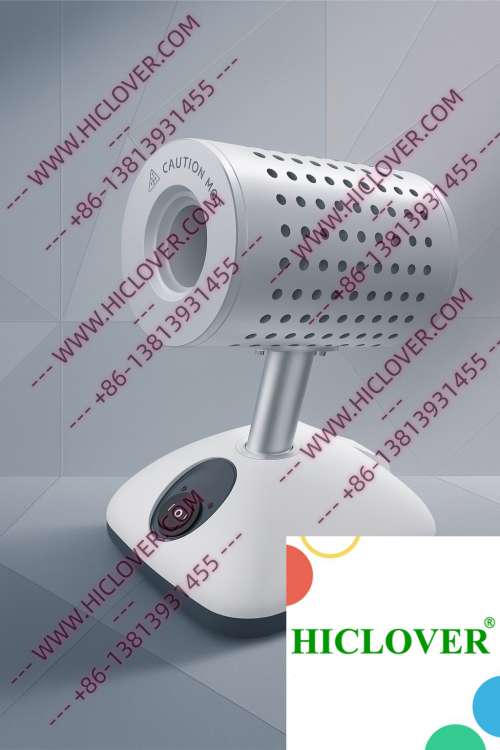
Micro incinerators utilize infrared heat to sterilize instruments quickly and effectively. At the heart of this technology is an enclosed ceramic tube that produces concentrated infrared radiation, allowing for high-temperature disinfection without the risks associated with traditional flame-based methods. With temperatures exceeding 800 °C, micro incinerators ensure rapid sterilization, penetrating even the most stubborn contaminants.
This technology stands out as a clean-bench-safe option, significantly reducing the risk of aerosols during the sterilization process. The design process considers stringent lab requirements, particularly in biosafety cabinet (BSC) applications where controlled environments are essential.
Laboratory Applications of Micro Incinerators
The versatility of micro incinerators allows them to shine in multiple laboratory scenarios:
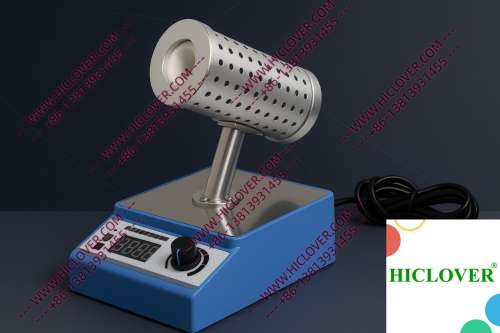
- Biosafety Cabinets: In BSL-2 and BSL-3 microbiology labs, where contamination control is critical, micro incinerators provide a flame-free solution for decontaminating inoculating loops and other small instruments. Their compact design makes them a perfect fit for BSCs, where maintaining clean air is challenging.
- Field Testing: Mobile or field testing labs benefit from the portability and rapid sterilization capabilities of micro incinerators. These devices enable researchers to conduct tests in remote locations without the need for cumbersome flame-based equipment.
- University Teaching Labs: Academic institutions are increasingly adopting micro incinerators in teaching labs. The user-friendly design fosters an educational environment where students can safely practice disinfection techniques without the hazards associated with flame sterilizers.
Compliance and Environmental Standards
Micro incinerators align with various biosafety standards set forth by the World Health Organization (WHO), ensuring laboratories adhere to stringent sterilization protocols. The preference for no flame in clean rooms is particularly important as traditional flame sterilizers, such as alcohol lamps and Bunsen burners, can introduce unwanted contamination and fire hazards, particularly in settings like CO₂ incubators or anaerobic chambers.
Here are some relevant lab sterilization standards that micro incinerators help laboratories comply with:
- ISO 13485 for medical devices and laboratory equipment
- ISO/IEC 17025 for laboratory competency
- WHO biosafety guidelines for laboratories handling pathogens
- OSHA standards for lab safety in workplace environments
Micro Incinerator vs. Traditional Flame Sterilizers
Feature Micro Incinerator Flame Sterilizers
Temperature Control Rapid, consistent temperature above 800 °C Variable, potentially unstable temperatures
Aerosol Production No aerosols, reducing contamination High potential for aerosol generation
Ease of Use Simple operation with quick setup Requires monitoring and manual ignition
Safety Enclosed system, minimal fire risk Open flame; higher fire hazards
FAQs about Micro Incinerators
- What are the benefits of using a micro incinerator over traditional flame sterilizers? Micro incinerators offer rapid thermal sterilization without the risk of contamination through aerosols, making them much safer and more efficient for laboratory use.
- How does a micro incinerator work? It utilizes infrared radiation produced from an enclosed ceramic tube to achieve and maintain high temperatures for effective sterilization.
- Are micro incinerators compliant with international lab standards? Yes, they are designed to meet WHO biosafety guidelines and international standards for lab equipment.
- Can micro incinerators be used in field testing? Yes, their compact design and rapid sterilization capabilities make them ideal for mobile or field labs.
- What types of labs should consider using micro incinerators? BSL-2 and BSL-3 labs, clinical diagnostics, university teaching labs, and any facility needing robust contamination control.
Conclusion
Micro incinerators, such as the Infrared Inoculating Loop Sterilizer, represent a pivotal step towards cleaner energy practices and reduced laboratory pollution in Thailand. By prioritizing biosafety and efficient sterilization, these devices eliminate the risks associated with traditional flame sterility while supporting compliance with global standards. For laboratories looking to enhance their sterilization workflow, embracing this innovative technology could yield significant benefits. Learn more about our offerings and how they can improve your lab by contacting us today!
Categories:
Tags: