
As Johannesburg continues to enhance its healthcare infrastructure, particularly in laboratory settings, the necessity for efficient sterilization equipment has never been clearer. Laboratories face significant biosafety challenges, especially in preventing contamination of samples in high-stakes environments such as BSL-2 and BSL-3 microbiology labs. Among the various tools available, the Micro Incinerator or Infrared Inoculating Loop Sterilizer has emerged as a leader in sterilization workflows, providing rapid thermal sterilization solutions.
Technical Principles of Infrared Sterilization
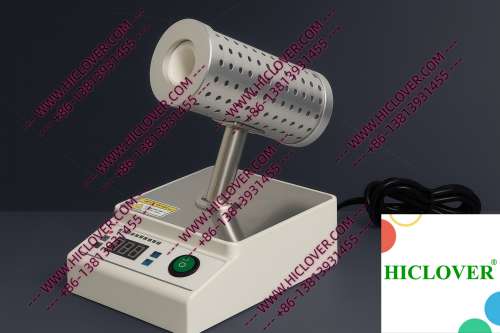
The Micro Incinerator operates on the sophisticated principle of infrared heat. Unlike traditional flame sterilizers, such as alcohol lamps or Bunsen burners, which can introduce various risks and challenges in cleanroom environments, the Micro Incinerator utilizes an enclosed ceramic tube that provides a controlled environment for sterilization.
The infrared heating technology provides high-temperature disinfection without any flame emissions, greatly minimizing aerosol contamination risks. This makes it a preferred choice in sterile settings where contamination control is paramount. The efficient design ensures that inoculating loops, needles, and other laboratory tools can be sterilized quickly, significantly reducing downtime in busy laboratory workflows.
Applications in Real Laboratory Settings
Biosafety Cabinets
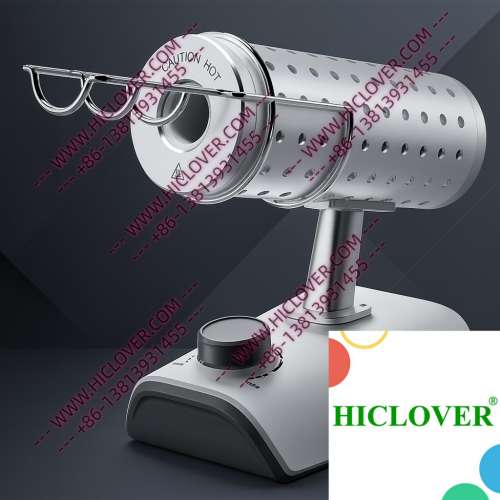
In laboratory settings equipped with biosafety cabinets, the use of the Micro Incinerator allows researchers to maintain a clean and sterile work environment. For instance, microbiologists can efficiently handle samples without transferring contaminants. The rapid cycle of use and the compact design of the Micro Incinerator allow it to fit seamlessly within a biosafety cabinet, giving users the ability to sterilize tools right where they work.
Field Testing Laboratories
In situations where laboratories operate in field testing environments—such as during disease outbreak assessments or environmental monitoring—the portability of the Micro Incinerator becomes a distinct advantage. Labs can deploy these sterilizers in mobile units, ensuring that samples remain uncontaminated, even in remote locations. This application is crucial for NGOs and health organizations conducting epidemiological studies outside of their primary facilities.
Compliance and Environmental Considerations
Adhering to compliance standards is pivotal for lab operations. The World Health Organization (WHO) outlines rigorous biosafety guidelines that laboratories must follow. The Micro Incinerator aligns itself well with these standards, as it eliminates the risks associated with traditional flame sterilizers, promoting a cleaner and safer working environment.
- No flame emissions allow for safer usage in clean rooms
- Aerosol-free handling minimizes contamination risks during sterilization
- Meets international lab sterilization standards
Additionally, its environmentally friendly approach—providing efficient sterilization without using chemicals—further enhances its suitability for modern laboratory requirements.
Comparison of Micro Incinerator and Traditional Flame Burners
| Feature | Micro Incinerator | Flame Burners |
|---|---|---|
| Method of Sterilization | Infrared Heat | Open Flame |
| Safety | Low Aerosol Risk | High Aerosol Risk |
| Heat Control | Precise Temperature Control | Variable Temperature |
| Environmental Impact | Eco-friendly | Emits Harmful Gases |
| Ease of Use | User-Friendly | Requires Skill to Operate |
Frequently Asked Questions
1. What are the health benefits of using a Micro Incinerator in the lab?
The Micro Incinerator significantly reduces aerosol contamination, providing a safer work environment for laboratory personnel and minimizing sample contamination risks.
2. Can a Micro Incinerator be used in field labs?
Yes, its portability and efficient operation make it ideal for field testing laboratories performing critical research in remote areas.
3. How does the Micro Incinerator compare to Bunsen burners in efficiency?
The Micro Incinerator offers faster and more consistent sterilization with less risk of contamination compared to traditional Bunsen burners, which can introduce variability in sterilization effectiveness.
4. Is the Micro Incinerator compliant with international biosafety standards?
Absolutely! The Micro Incinerator meets WHO biosafety and lab sterilization standards, making it suitable for use in high-containment research facilities.
5. How do I maintain the Micro Incinerator for optimal performance?
Regular cleaning and avoiding exposure to corrosive substances will help maintain optimal performance. Consult the manufacturer’s guidelines for specific maintenance schedules.
Conclusion
In conclusion, the Micro Incinerator or Infrared Inoculating Loop Sterilizer stands as a vital element of Johannesburg’s modern healthcare infrastructure, revolutionizing the sterilization processes across laboratories. By choosing such innovative sterilization solutions, facilities can significantly enhance their operational efficiency while maintaining the highest biosafety compliance standards.
If you’re interested in upgrading your laboratory’s sterilization equipment, consider partnering with leading suppliers of the Micro Incinerator. For more information or to secure your order, contact us today and take the first step towards a safer, more efficient lab environment!
Categories:
Tags: