
In the realms of laboratory safety and sterilization, ensuring a contamination-free work environment is paramount. As biosafety challenges continue to evolve and lab workflows become more complex, laboratories must adapt to new methods of sterilization that guarantee efficiency while minimizing risk. One innovative solution that is rapidly gaining traction is the Micro Incinerator, particularly the Infrared Inoculating Loop Sterilizer. This device may prove essential in addressing Canada’s environmental challenges related to waste disposal.
Understanding Micro Incinerators: Technical Principles
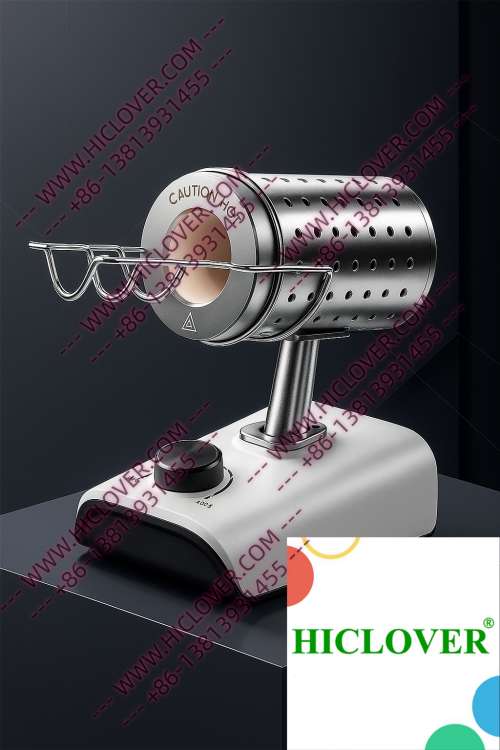
Micro Incinerators operate on the principle of rapid thermal sterilization. Utilizing an enclosed ceramic tube and infrared heating technology, they provide high-temperature disinfection without the need for open flames. The infrared heat quickly reaches temperatures exceeding 800°C, effectively sterilizing inoculating loops, needles, and other metal tools, ensuring that all microbial life is eradicated in moments.
Advantages Over Traditional Flame Sterilizers
Comparing the Micro Incinerator to traditional flame sterilizers, such as alcohol lamps and Bunsen burners, reveals several advantages:
- Improved Safety: No open flame reduces the risk of accidental burns or ignition of flammable materials.
- Clean Bench Compatibility: Micro Incinerators are designed for use in clean or biosafety cabinets, preventing contamination with aerosols.
- Efficiency: They provide instantaneous results, significantly shortening sterilization times.
- Reduced Contamination Risk: Infrared technology allows for sterile handling in sensitive environments, crucial for BSL-2 and BSL-3 microbiology labs.
Real-World Applications of Micro Incinerators
The potential uses of Micro Incinerators in various laboratory settings highlight their versatility and effectiveness:
1. BSL-2 / BSL-3 Microbiology Labs
In high-containment labs, where rigorous sterilization protocols are mandated, the Micro Incinerator plays a vital role. Its capability to fully sterilize inoculating loops without the risk of combustion-related contamination allows researchers to work confidently with potentially dangerous pathogens.
2. University Teaching Labs
In academic settings, where students engage in hands-on experiments, the Micro Incinerator offers a reliable equipment option for teaching sterilization principles. With the increased focus on laboratory safety, it enables educators to emphasize the importance of contamination control effectively.
Compliance and Environmental Considerations
Environmental sustainability is becoming increasingly essential in laboratory operations. Micro Incinerators not only support compliance with WHO biosafety standards but also align with broader environmental goals as Canada focuses more on waste management practices. The devices promote responsible waste disposal by incinerating contaminated materials safely and effectively.
In cleanrooms where combustion is prohibited, the advantages of using Micro Incinerators over traditional flame sterilizers become profoundly clear. They not only comply with lab sterilization standards but also enhance air quality by eliminating flame exhaust products.
FAQs
1. How does a Micro Incinerator differ from a conventional flameless sterilizer?
Unlike flameless sterilizers, Micro Incinerators utilize infrared technology for precise and rapid thermal sterilization while also allowing for clean-bench-safe operations.
2. What are the operational costs associated with using Micro Incinerators?
While initial costs may be higher, the operational efficiency, minimal maintenance, and long lifespan of the Micro Incinerators generally lead to lower costs over time.
3. Are Micro Incinerators suitable for field testing environments?
Yes, their efficient and portable design makes them an excellent choice for field testing labs where quick sterilization and safe handling of materials are crucial.
4. Can these devices be used in conjunction with CO₂ incubators?
Absolutely! Using Micro Incinerators in conjunction with CO₂ incubators limits the risk of contamination while ensuring optimal conditions for microbial cultures.
5. How do Micro Incinerators contribute to reducing lab waste?
By incinerating sterilized waste material directly, they significantly reduce the volume of hazardous waste, aligning with environmentally friendly lab practices.
Conclusion: The Path Forward
As laboratories search for innovative solutions to meet evolving biosafety demands and environmental challenges, Micro Incinerators like the Infrared Inoculating Loop Sterilizer stand out as critical assets. By enhancing safety protocols and ensuring compliance with stringent sterilization standards, these devices play a pivotal role in laboratory performance, from clinical diagnostics to university teaching labs.
For laboratories ready to make a shift toward enhanced sterilization methods, consider integrating a Micro Incinerator into your workflow. It’s not just an investment in equipment; it’s an investment in safety, efficiency, and sustainability. Contact us today to explore how our Micro Incinerators can support your laboratory’s success.
Categories:
Tags: