
As the landscape of laboratory operations evolves, the demand for effective biosafety solutions becomes paramount. Local authorities in the UK are increasingly adopting micro incinerators for waste management, particularly in laboratory settings where sterilization of equipment and disposal of biohazardous materials is critical. Traditional methods such as alcohol lamps or Bunsen burners pose dangers associated with open flames, which can compromise lab safety and contaminate results. Enter the Micro Incinerator, a groundbreaking solution that is transforming sterilization practices in labs.
The Technical Principle Behind Micro Incinerators
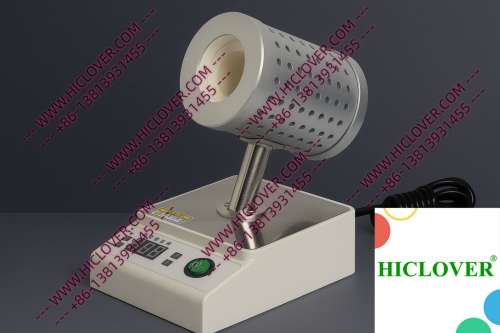
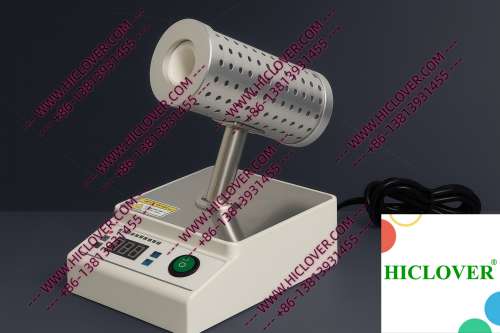
The micro incinerator utilizes infrared technology to provide rapid thermal sterilization. This device features an enclosed ceramic tube that emits infrared heat, allowing for high-temperature disinfection without the risks associated with flame-based sterilization methods. The design ensures uniform temperature distribution, effectively eliminating microorganisms, including bacteria and viruses, within seconds. This mechanism not only guarantees efficient sterilization but also curtails aerosol generation, thereby enhancing safety in laboratory environments.
Applications in Laboratory Settings
Micro incinerators have broad applications across various laboratory settings, significantly improving biosafety and workflow efficiencies. Below are two prominent application scenarios:
- Biosafety Cabinets: In BSL-2 and BSL-3 microbiology labs, the micro incinerator serves as an invaluable tool for sterilizing inoculating loops and other instruments without introducing flames into the cabinet. This minimizes the risk of fire hazards while maintaining the sterile environment required for handling pathogenic microorganisms.
- University Teaching Labs: Educational institutions often deal with large volumes of microbial cultures. The integration of portable micro incinerators in teaching labs allows students to safely perform sterilization tasks, reinforcing best practices in laboratory safety and contamination control. This hands-on experience prepares future scientists for real-world lab challenges.
- Rapid Thermal Sterilization: Achieves sterilization in just a few seconds.
- Aerosol-Free Handling: Ensures a cleaner, safer working environment.
- Compact Design: Easily integrates into various laboratory setups.
- High Precision: Utilizes a ceramic heating chamber for consistent temperature control.
Compliance and Environmental Considerations
Adhering to lab safety and sterilization standards is crucial for UK laboratories. Regulatory bodies, including the World Health Organization (WHO), outline stringent biosafety guidelines that laboratories must follow to ensure safe handling of infectious substances. The use of micro incinerators aligns with these regulations, especially in controlled settings where open flames are prohibited, such as CO₂ incubators and anaerobic chambers. With regulations emphasizing clean-bench safety, the micro incinerator plays a critical role in ensuring compliance while upholding sterilization standards.
“Micro incinerators provide a modern, safe alternative to traditional flame sterilization methods, allowing labs to maintain compliance effortlessly while ensuring the safety of both personnel and environment.” – Lab Safety Expert
Features of Micro Incinerators
Among the most compelling features of micro incinerators are:
Micro Incinerator vs. Traditional Flame Sterilizers
The comparison between micro incinerators and traditional flame sterilizers reveals numerous advantages. Below is a simplified comparison:
| Features | Micro Incinerator | Flame Sterilizers (Alcohol Lamps/Bunsen Burners) |
|---|---|---|
| Safety | No open flames; reduces fire hazards | Risk of burns and fire |
| Efficiency | Rapid sterilization within seconds | Variable; dependent on user technique |
| Environmental Impact | Less toxic emissions; cleaner air quality | Produces smoke and inhalable toxins |
| Portability | Lightweight and portable | Requires fuel; less portable |
Frequently Asked Questions
1. What is a micro incinerator?
A micro incinerator is a sterilization device that uses infrared heat to rapidly eliminate microorganisms from tools and instruments in a laboratory setting.
2. How does it differ from traditional sterilizers?
Unlike traditional sterilizers that use open flames, micro incinerators provide a flame-free method for sterilization, enhancing safety and compliance with laboratory standards.
3. Can micro incinerators be used in field testing?
Yes, their portable design makes them ideal for field testing where sterilization is necessary without compromising mobility.
4. Are micro incinerators environmentally friendly?
Micro incinerators produce fewer toxic emissions compared to flame-based systems, contributing to cleaner air and a safer laboratory environment.
5. What are the best practices for using a micro incinerator?
Ensure proper placement away from flammable materials, regularly clean the heating chamber, and adhere to operational guidelines to maximize safety and efficiency.
Conclusion
As UK local authorities adapt to modern waste management demands, integrating micro incinerators presents a forward-thinking approach to laboratory sterilization. These devices offer unparalleled advantages over traditional flame sterilizers, including enhanced safety, rapid sterilization capabilities, and compliance with biosafety regulations. For laboratories looking to improve their sterilization workflow while ensuring personnel safety, the micro incinerator is undoubtedly a wise investment. If you’re in search of reliable and efficient sterilization solutions, we invite you to explore our range of Micro Incinerators and elevate your lab operations today.
Categories:
Tags: