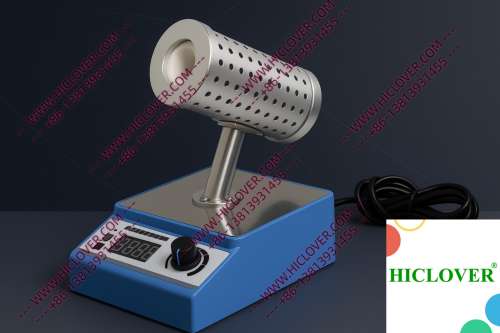
Laboratories face critical biosafety challenges as they strive to maintain sterile environments while ensuring the effective sterilization of inoculating loops and other equipment. The necessity for rapid thermal sterilization is paramount in situations where contamination can lead to skewed results or even hazardous outbreaks. Traditional methods such as Bunsen burners and alcohol lamps are increasingly giving way to advanced sterilization equipment like Micro Incinerators. These innovative tools are not only effective but also offer significant workflow improvements in various laboratory settings.
Understanding Micro Incinerators
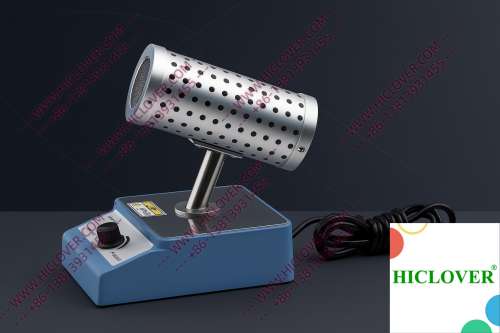
Micro Incinerators are compact sterilization devices that use infrared heat to achieve high-temperature disinfection. Unlike open flame systems, which can pose risks of burns or contamination, the Micro Incinerator operates within a closed ceramic heating chamber. This setup not only enhances safety, ensuring aerosol-free handling but also promotes efficient energy use. As the unit heats up within seconds, it effectively sterilizes inoculating loops and other metal tools rapidly, minimizing downtime in laboratory operations.
Technical Principles Behind Infrared Technology
The principle of infrared radiation is based on electromagnetic waves that provide heat energy effectively. In a Micro Incinerator, this infrared heat is focused on the instruments you need to sterilize, ensuring even heat distribution. The enclosed ceramic tube protects the operator from exposure, while sustaining high temperatures necessary for thorough sterilization. This technology leads to reliable and swift sterilization processes that are crucial for modern laboratory workflows.
Applications in Various Laboratory Settings
- Biosafety Cabinets: In BSL-2 and BSL-3 microbiology labs, where procedural rigor is mandatory, using a Micro Incinerator within biosafety cabinets allows researchers to sterilize tools without introducing additional contaminants.
- Field Testing: Mobile labs conducting field testing in rural or remote areas can benefit from compact Micro Incinerators, which provide quick sterilization on the go, essential for maintaining research integrity.
- University Teaching Labs: In educational settings, particularly in undergraduate biology courses, the Micro Incinerator simplifies the sterilization process, allowing students to focus more on learning and less on manual sterilization techniques.
Compliance with Biosafety Standards
The World Health Organization (WHO) provides strict guidelines on laboratory biosafety, including the necessity for compliant sterilization procedures that minimize risks of pathogen exposure. The Micro Incinerator aligns with these standards by eliminating open flames and promoting aerosol-free environments within clean laboratories. Additionally, it adheres to lab sterilization standards, making it an ideal choice for institutions that prioritize safety and compliance.
Comparing Micro Incinerators to Traditional Flame Sterilizers
| Features | Micro Incinerator | Flame Sterilizer |
|---|---|---|
| Safety | Closed ceramic chamber, aerosol-free | Open flame, risk of burns |
| Efficiency | Rapid heating, instant sterilization | Time to ignition and cooling down |
| Energy Use | Low energy consumption | Higher energy expenditure |
| Ease of Use | Simple interface, minimal training required | Requires technique and experience to handle safely |
Frequently Asked Questions
- What are the primary advantages of using a Micro Incinerator over traditional sterilizers?
Micro Incinerators offer enhanced safety, rapid sterilization, lower energy consumption, and ease of use when compared to traditional methods like alcohol lamps and Bunsen burners. - How long does it take for a Micro Incinerator to heat up?
Most Micro Incinerators reach required sterilization temperatures within seconds, significantly faster than traditional flame sterilizers. - Can a Micro Incinerator be used in field testing?
Yes, its compact design and quick heating capabilities make it an excellent tool for mobile laboratory setups. - Is it safe to use a Micro Incinerator in a biosafety cabinet?
Yes, its enclosed design minimizes contamination risks, which is essential in BSL-2 and BSL-3 laboratories. - What standards do Micro Incinerators comply with?
Micro Incinerators meet stringent WHO biosafety and lab sterilization standards suitable for clinical diagnostics and research settings.
Conclusion
The pivot towards Micro Incinerators in laboratories is indicative of a broader move toward improved safety and operational efficiency. For hospitals, research centers, and educational institutions aiming to enhance their sterilization workflows, these devices are not just beneficial; they are necessary for compliance and effective contamination control. Investing in a Micro Incinerator ensures adherence to best practices while also significantly reducing the risks associated with traditional sterilization methods. For more information or to place an order, contact us today!
Categories:
Tags: