
In the realm of laboratory safety and efficiency, the need for robust sterilization methods is paramount. With biosafety challenges constantly evolving, research facilities are under pressure to meet stringent sterilization workflow demands. The increasing incidence of contamination can lead to compromised results, necessitating the use of advanced sterilization tools such as the Micro Incinerator, also known as the Infrared Inoculating Loop Sterilizer.
Technical Principles of Micro Incinerators
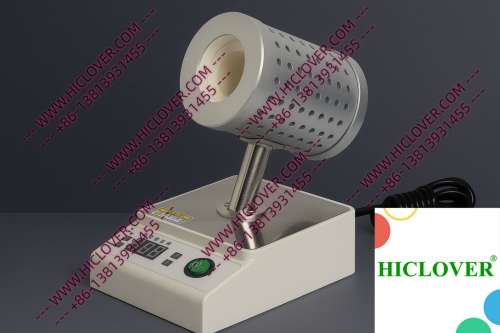
The Micro Incinerator operates on the principle of rapid thermal sterilization through infrared heat. This innovative device consists of an enclosed ceramic heating chamber that provides a high-temperature environment for disinfection without the risks associated with flame sterilizers. The infrared technology used allows for a uniform and rapid increase in temperature, effectively eliminating pathogens without the moisture that could interfere with cleanroom standards.
Another significant advantage is the versatility of the Micro Incinerator. Unlike traditional flame burners that require constant monitoring and come with inherent risks such as open flames and the production of aerosols, these sterilizers ensure aerosol-free handling of inoculating loops and other tools. This closed-system design makes it especially suitable for biosafety cabinets and clean environments.
Real-World Applications in Laboratory Settings
Biosafety Cabinets
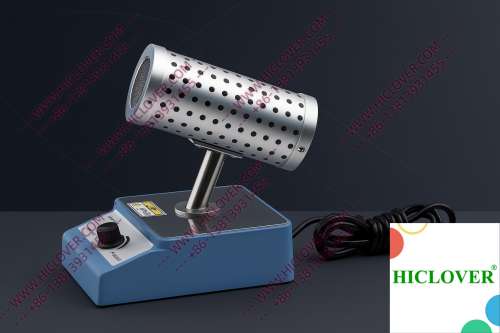
In BSL-2 and BSL-3 microbiology labs, where handling infectious agents is common, the Micro Incinerator plays a critical role. Researchers can easily sterilize inoculating loops and other instruments within the biosafety cabinet, ensuring that cross-contamination is minimized. The compact design allows for easy integration into existing workflows without compromising the sterile environment.
Teaching and University Labs
University laboratories also benefit significantly from using Micro Incinerators. In a teaching lab scenario, students can safely practice aseptic techniques without the risks associated with traditional flame sterilization. This not only improves the learning experience but also emphasizes the importance of proper sterilization methods in research.
Biosafety Compliance and Environmental Considerations
As laboratories worldwide follow international guidelines laid out by regulatory organizations such as the World Health Organization (WHO), adherence to lab sterilization standards becomes essential. The use of flame sterilizers is often restricted in clean rooms due to fire hazards and contamination risks. Micro Incinerators stand out in this regard, fulfilling WHO biosafety requirements while maintaining a clean, safe working environment.
- Eliminates open flames in clean areas
- Prevents aerosol contamination
- Meets stringent sterilization standards
Comparison: Micro Incinerator vs. Flame Burners
| Feature | Micro Incinerator | Flame Burners |
|---|---|---|
| Temperature Control | Infrared, rapid response | Manual, variable |
| Safety | No open flame | Open flame hazard |
| Aerosol Production | None | Possible |
| Portability | Lightweight and compact | Bulkier and less portable |
Frequently Asked Questions
- What is the main advantage of a Micro Incinerator compared to traditional flame sterilizers?
The primary advantage lies in its safety and efficiency; there is no open flame, making it suitable for use in clean environments. - Can Micro Incinerators be used for field testing?
Yes, their lightweight and compact design makes them ideal for mobile or field testing labs, ensuring sterilization is effective even outside traditional lab environments. - What are the key applications of Micro Incinerators in teaching labs?
In educational settings, they provide a safe way for students to practice sterilization techniques without the risks associated with flame handling. - How does the Micro Incinerator ensure compliance with laboratory standards?
Its design meets WHO biosafety regulations by eliminating the risks of open flames and aerosol contamination.
Conclusion
The Micro Incinerator has undoubtedly transformed the landscape of laboratory sterilization, addressing both workflow efficiency and safety. As research facilities continue to evolve, investing in this innovative technology can lead to not only better compliance with global standards but also improved outcomes in research and teaching. If you want to enhance your laboratory’s sterilization method, consider exploring the benefits of the Micro Incinerator. Contact us today to learn more about this essential tool for your lab.
Categories:
Tags: