
In the demanding landscape of laboratory biosafety, maintaining rigorous sterilization protocols is crucial. Laboratories, whether they are involved in clinical diagnostics, research, or academic education, face numerous biosafety challenges that necessitate reliable and efficient sterilization methods. The need for administrative efficiency, contamination control, and user-friendly processes has ushered in innovations such as the Micro Incinerator, also known as the Infrared Inoculating Loop Sterilizer. This article explores how this advanced equipment meets these sterilization requirements while ensuring laboratory safety and compliance.
Understanding the Micro Incinerator
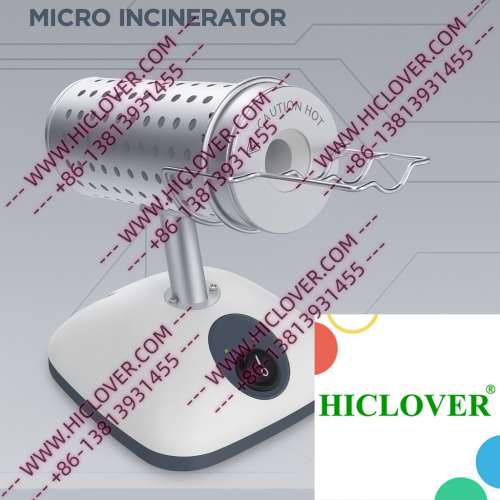
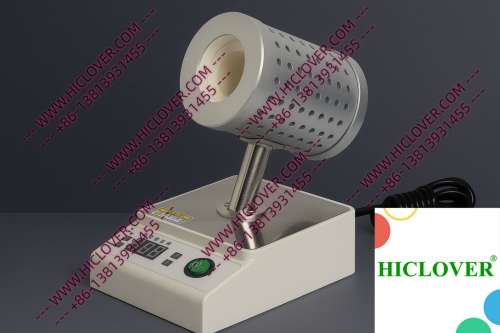
The Micro Incinerator is a high-performance sterilization tool that utilizes infrared heat to achieve rapid thermal sterilization without the hazards associated with traditional flame sterilizers like Bunsen burners or alcohol lamps. Its effective design features a ceramic heating chamber, which provides a clean, enclosed environment for sterilization tasks.
- Efficiency: The rapid heating capability of infrared technology ensures that the inoculating loop reaches optimal temperatures quickly.
- Safety: Unlike flame-based systems, the Micro Incinerator minimizes the risks associated with open flames, making it suitable for clean bench environments.
- Contamination Control: The enclosed ceramic tube reduces aerosol generation, essential for maintaining a sterile working environment.
Applications in Diverse Laboratory Settings
Biosafety Cabinet Operations
In BSL-2 and BSL-3 microbiology labs, the use of the Micro Incinerator is particularly significant. Its flame-free operation allows researchers to sterilize tools without risking damage to the biosafety cabinet’s air filtration system. This unit’s compact design fits seamlessly into these environments, promoting safe inoculation practices while preventing cross-contamination.
Teaching Laboratories
The adoption of the Micro Incinerator in university teaching labs enhances the educational experience for students learning microbiological techniques. Being user-friendly and easy to operate, it provides a safe platform for students to practice essential sterilization methods while ensuring compliance with laboratory safety standards.
Compliance and Environmental Considerations
Laboratory sterilization standards emphasize the importance of effective sterilization methods to assure safety both for laboratory personnel and the environment. Organizations such as the WHO provide guidelines on biosafety that highlight the necessity of ensuring no open flames are used in sterile clean rooms or during sensitive field testing procedures. This ensures that:
- Laboratory personnel are not exposed to fire hazards.
- The risk of contamination is significantly reduced, leading to more dependable results for experiments and diagnostics.
Moreover, the clean operation of the Micro Incinerator aligns with environmental standards that favor eco-friendly operational practices, which has made it a preferred choice in laboratories across urban centers like New York, London, and Tokyo.
Advantages Over Traditional Flame Sterilizers
Feature Micro Incinerator Flame Sterilizers
Heating Method Infrared Open Flame
Efficiency Rapid Thermal Sterilization Slower; time-consuming
Safety Low risk (fire & aerosol) High risk (fire & fumes)
Ease of Use User-friendly Requires more training
Frequently Asked Questions
What is the main benefit of using the Micro Incinerator?
The primary advantage of the Micro Incinerator is its ability to provide efficient, flame-free sterilization that minimizes contamination risks, making it perfect for sensitive laboratory environments.
Can the Micro Incinerator be used in any laboratory?
Yes, it is suitable for various laboratory settings, including BSL-2 and BSL-3 labs, university teaching environments, and field testing applications.
How does the Micro Incinerator ensure compliance with biosafety standards?
Its design eliminates the use of open flames, significantly reducing the risk of aerosol generation and ensuring that it meets standards set by WHO for laboratory safety.
Is the Micro Incinerator portable for field testing?
Yes, its compact and lightweight design allows for easy transport, making it ideal for field testing scenarios where traditional flame sterilizers may pose hazards.
How does the Micro Incinerator compare cost-wise to traditional sterilizers?
While the initial investment may be higher, the Micro Incinerator’s efficiency and safety features often result in lower long-term operational costs and reduced risk of accidents.
Conclusion
Achieving sterile success in laboratory settings is more attainable with advanced sterilization equipment like the Micro Incinerator. Its rapid thermal sterilization, contamination control capabilities, and compliance with biosafety standards make it a valuable investment for laboratories, hospitals, and educational institutions. To lean into a future of safe and efficient laboratory practices, consider reaching out for more information or to place an order for your own Micro Incinerator today.
Categories:
Tags: