
In modern laboratory settings, maintaining microbial safety is a paramount challenge faced by healthcare and research facilities. Laboratory professionals are continuously striving to ensure that microbial contamination is minimized, especially when working in high-stakes environments such as BSL-2 and BSL-3 microbiology labs. Amidst these growing concerns, the emergence of infrared loop sterilizers, including the Micro Incinerator / Infrared Inoculating Loop Sterilizer, is heralding a new era in effective sterilization workflows.
The Need for Advanced Sterilization Equipment
Traditional methods of sterilization, such as alcohol lamps and Bunsen burners, while common, come with risks including uncontrolled flames, aerosol generation, and potential contamination of the sterile workspace. The workflow demand in laboratories is evolving, requiring both efficacy and safety to be at the forefront. The transition to advanced sterilization technologies not only streamlines laboratory processes but also amplifies biosafety, thereby safeguarding researchers, patients, and the environment.
How Infrared Loop Sterilizers Work
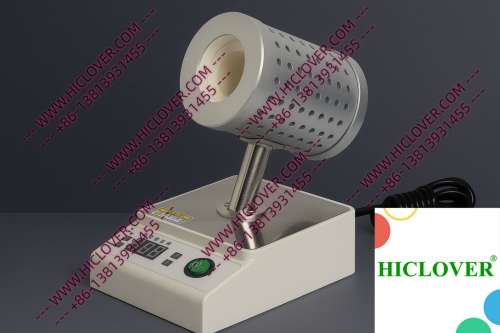
The Micro Incinerator operates on the principle of rapid thermal sterilization utilizing infrared heat. An enclosed ceramic heating chamber is designed to create a high-temperature environment that ensures effective disinfection without producing an open flame. This method of sterilization not only eliminates the risk of uncontrolled combustion but also reduces the release of harmful aerosols, making it an ideal choice for clean rooms and regulated laboratory environments.
Key Features of the Micro Incinerator
- Rapid Heating: Achieves sterilization in seconds.
- Compact Design: Fits conveniently in most laboratory setups.
- Aerosol-Free Handling: Reduces the risk of contamination.
- Environmentally Friendly: No combustion by-products.
- User-Friendly Interface: Easy operation with minimal training.
Application Scenarios in Real Labs
Consider two application scenarios where infrared loop sterilizers have transformed laboratory practices:
Biosafety Cabinet Operations
In a BSL-2 microbiology lab, researchers often face challenges in maintaining sterile conditions while using inoculating loops. The traditional flame sterilizer can pose risks to sample integrity. By employing a Micro Incinerator within a biosafety cabinet, researchers can efficiently sterilize loops without generating aerosols, thus protecting both the user and the samples from contamination.
Field Testing and Mobile Labs
Field testing poses unique challenges, where access to standard sterilization tools is limited. The compact size and portability of infrared loop sterilizers make them ideal for mobile labs conducting environmental testing or clinical diagnostics in remote areas. The ability to sterilize efficiently without an open flame enhances safety and workflow in such unpredictable environments.
Compliance and Environmental Considerations
Adhering to biosafety and laboratory sterilization standards is essential for maintaining a safe working environment. Organizations such as the World Health Organization (WHO) emphasize the significance of rigorous sterilization processes to ensure the safe handling of pathogens. Furthermore, using infrared loop sterilizers aligns with compliance protocols for cleanroom operations, as they stay flame-free, significantly reducing the risk of fire hazards in sensitive workspaces.
As labs across cities like New York, London, and Tokyo strive to meet evolving standards, investing in advanced sterilization equipment like the Micro Incinerator becomes imperative for ensuring safety in clinical and research settings.
Comparative Analysis: Micro Incinerator vs. Flame Burners
| Feature | Micro Incinerator | Flame Burners |
|---|---|---|
| Temperature Control | Precise and consistent | Variable, prone to fluctuation |
| Aerosol Production | None | High |
| Risk of Fire | Minimal | Significant |
| Ease of Use | Simple operation | Requires skill and experience |
| Environmental Impact | Low | High combustion emissions |
FAQs About Infrared Loop Sterilizers
- What makes the Micro Incinerator safer than traditional flame sterilizers?
The Micro Incinerator uses infrared heat for sterilization, which eliminates open flames, reducing the risk of fire hazards and aerosol contamination. - How quickly can the Micro Incinerator sterilize inoculating loops?
The Micro Incinerator is designed to achieve sterilization within seconds, significantly improving workflow efficiency. - Can the Micro Incinerator be used in field testing applications?
Yes, its compact and portable design makes it ideal for mobile labs conducting environmental testing or clinical diagnostics in field settings. - Is the Micro Incinerator compliant with lab safety standards?
Absolutely. It adheres to global biosafety standards, such as those set by the WHO, ensuring safe operation in high-stakes laboratory environments. - How do I maintain the Micro Incinerator for optimal performance?
Regular cleaning and inspection of the ceramic heating chamber are recommended to ensure consistent performance and longevity.
Conclusion: Elevate Your Laboratory’s Safety Standards
The Micro Incinerator / Infrared Inoculating Loop Sterilizer clearly represents a pivotal advancement in laboratory sterilization equipment. Its benefits yield crucial advantages over traditional flame sterilizers, particularly in maintaining microbial safety across various settings—from clinical laboratories to educational institutions. By choosing an infrared sterilizer, you are not only enhancing the efficiency of your workflow but also protecting your staff and the integrity of your research. For more information on our specialized sterilization solutions, feel free to contact us or inquire about purchasing options today!
Categories:
Tags: