
In the contemporary laboratory setting, proper waste management and contamination control is critical for maintaining a secure and effective workflow, especially in water testing labs. Laboratories frequently face biosafety challenges that require thorough and efficient sterilization methods to ensure that all equipment and materials are free from biological contaminants. Traditional methods such as Bunsen burners and alcohol lamps have often been deemed inadequate due to their safety risks and inefficiencies.
Understanding Micro Incinerators
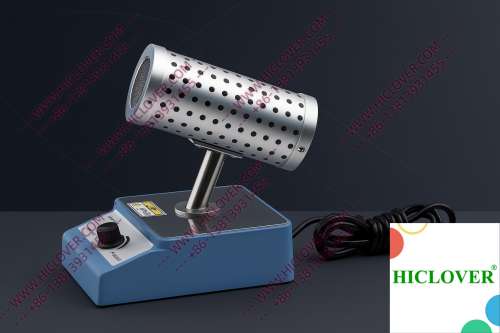
Micro incinerators, specifically the Infrared Inoculating Loop Sterilizer, have emerged as indispensable tools for modern laboratory sterilization. These devices utilize advanced infrared technology for rapid thermal sterilization. By employing a ceramic heating chamber that envelops the inoculating loop in a clean environment, these incinerators ensure complete disinfection while significantly reducing the risk of aerosol generation and flames.
The design of micro incinerators allows for enclosed sterilization that optimizes temperature control and minimizes the risk of cross-contamination. Operating at high temperatures, they are capable of providing reliable and quick sterilization for various lab utensils, making them a preferred choice for laboratory professionals.
Applying Micro Incinerators in Real Laboratories
Scenario 1: Clinical Diagnostics Laboratory
In BSL-2 and BSL-3 clinical diagnostic labs, the need for stringent sterilization methods is paramount. During microbiological tests for potential pathogens, the usage of inoculating loops and other implements must be impeccably sterilized between each usage to prevent contamination. Micro incinerators fulfill this need efficiently. For example, alongside a biosafety cabinet, lab technicians can swiftly sterilize loops in a smoke- and aerosol-free environment, ensuring compliance with WHO biosafety standards.
Scenario 2: University Teaching Labs
In university settings, teaching labs employing water testing methodologies often involve a diverse group of students using various sterilization tools. Micro incinerators serve as user-friendly devices that guarantee rapid sterilization. Their compact design and ease of operation make them ideal for students who may not be familiar with traditional flame sterilizers. Educators can confidently facilitate sterilization learning sessions without the hazards associated with flames, thereby ensuring a safe teaching environment.
Compliance and Environmental Considerations
The relevance of micro incinerators extends beyond just functionality; they play an essential role in maintaining laboratory compliance with various biosafety standards. The World Health Organization (WHO) outlines stringent guidelines for laboratory practices, emphasizing the importance of minimizing risks associated with biological waste. By utilizing micro incinerators, labs adhere to these guidelines while also supporting sustainable practices through the reduction of environmental impact.
Moreover, micro incinerators are designed to operate in clean rooms where no open flames are permitted. This significant safety consideration enhances their ability to uphold a contamination-free workspace. In high-stakes environments like clinical diagnostics and research labs, this characteristic is invaluable, allowing scientists to focus on accurate testing rather than the potential dangers that accompany traditional flame sterilization.
Comparing Micro Incinerators and Traditional Flame Sterilizers
Micro Incinerators present a range of advantages over traditional flame sterilizers.
| Feature | Micro Incinerator | Flame Sterilizer |
|---|---|---|
| Safety | No open flame, reduced risk of accidental fires | Open flame, fire hazard |
| Ease of Use | Simple operation, quick sterilization | Requires skill to manage flame |
| Environmental Impact | No smoke or aerosols | Produces soot and smoke |
| Sterilization Efficiency | Rapid thermal sterilization, high reliability | Variable effectiveness, dependent on user technique |
Frequently Asked Questions
- What are the main advantages of using a micro incinerator in sterilization? Micro incinerators offer safer operation, rapid thermal sterilization, and compliance with biosafety standards.
- Can micro incinerators be used in field testing labs? Yes, their portability and easy operational features make them ideal for mobile labs performing field testing.
- Are micro incinerators economical for educational institutions? Indeed, their low operational costs and durability make them a cost-effective choice for universities.
- How do micro incinerators contribute to environmental safety? By preventing smoke and aerosols, they maintain a cleaner work environment and reduce contamination risks.
- Is training required to use a micro incinerator? Minimal training is needed; they are designed for user-friendly operation for individuals at all experience levels.
Conclusion: Embrace Modern Sterilization Practices
With their capacity for enhanced safety, efficiency, and compliance, micro incinerators are pivotal in the operational strategies of water testing laboratories and beyond. As laboratories increasingly prioritize biosafety and waste management, investing in high-quality sterilization tools such as the Infrared Inoculating Loop Sterilizer becomes essential. Transitioning to modern sterilization practices ensures not only laboratory efficacy but also aligns with global biosafety initiatives.
If you are interested in integrating a micro incinerator into your laboratory’s workflow, feel free to reach out for more information or to make your purchase today!
Categories:
Tags: