
In today’s fast-paced laboratory environments, safe and efficient sterilization techniques are paramount. As research and educational practices evolve, so do biosafety challenges. Traditional methods of sterilization using flame such as alcohol lamps or Bunsen burners pose significant risks, including contamination, heat damage to sensitive materials, and the need for additional safety precautions. The adoption of advanced sterilization technology, particularly the Micro Incinerator, has become essential in maintaining the integrity of sterile workflows in various laboratory settings.
The Technical Principles Behind Micro Incinerators
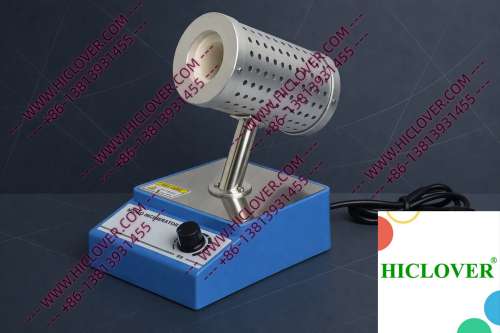
Micro Incinerators utilize infrared heat technology for rapid thermal sterilization, transforming the way labs approach disinfection. Unlike traditional flame sterilizers, these devices operate using an enclosed ceramic heating chamber that reaches optimal temperatures quickly and maintains them without the presence of an open flame. This design not only ensures effective sterilization but also minimizes the risk of combustion-related accidents.
Infrared high-temperature disinfection is particularly effective because it targets microorganisms at their cellular level, effectively denaturing proteins and disrupting metabolic processes. The result is a rapid sterilization cycle, often completed in under 15 seconds, which is crucial when working in high-throughput settings such as BSL-2 and BSL-3 microbiology labs.
Applications in Real Laboratory Settings
Biosafety Cabinets
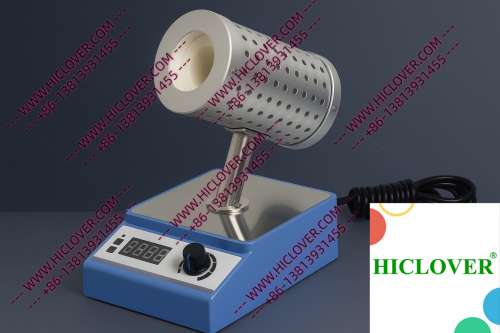
In a typical biosafety cabinet, minimizing the risk of contamination is key. The Micro Incinerator serves as an ideal solution for sterilizing inoculating loops and other small instruments without the dangerous plume of aerosols created by open flames. Its ability to perform quick sterilization cycles within the cabinet allows for seamless workflow, enabling researchers to maintain sterility while handling sensitive biological samples.
Field Testing
Field testing environments present unique challenges with limited access to conventional sterilization methods. Micro Incinerators are portable and don’t rely on gas sources, making them perfect for sites with limited resources. In clinical diagnostics and mobile laboratories, researchers can ensure their tools remain sterile, significantly reducing the potential for cross-contamination.
University Teaching Labs
Educational institutions are also benefiting from the incorporation of Micro Incinerators in their laboratory curricula. Teaching labs, where students learn about microbiological techniques, are traditionally fraught with safety considerations regarding flame use. The utilization of infrared inoculating loop sterilizers facilitates a safer learning environment, allowing students to focus more on the science rather than safety protocols associated with flame sterilizers.
Compliance and Environmental Considerations
Adhering to institutional and governmental biosafety standards is crucial for all laboratories. The World Health Organization (WHO) and various health agencies advocate for sterilization methods that minimize risk to personnel and the environment. In clean rooms, the absence of an open flame significantly decreases the risk of airborne contaminants, aligning with lab sterilization standards and promoting a safer workspace.
Moreover, in an age where sustainability is essential, switching from traditional flame sterilizers to Micro Incinerators reduces overall energy consumption and greenhouse gas emissions associated with the combustion of fuels.
Comparison of Micro Incinerators vs. Flame Burners
| Feature | Micro Incinerator | Flame Burners |
|---|---|---|
| Efficiency | Rapid thermal sterilization (< 15 seconds) | Variable, depending on operator skill |
| Safety | No open flame, lower risk of fire | Open flame, higher risk of accidents |
| Portability | Compact and portable | Generally bulkier and requires gas |
| Environmental Impact | Reduced emissions | Higher emissions from fuel combustion |
Frequently Asked Questions
- What is a Micro Incinerator? A Micro Incinerator is a laboratory device that utilizes infrared heat for rapid sterilization of inoculating loops and other small instruments without the need for an open flame.
- How does infrared sterilization work? Infrared sterilization works by generating heat that denatures proteins in microorganisms, effectively killing them in a matter of seconds.
- What are the advantages of using a Micro Incinerator over a traditional flame burner? Advantages include faster sterilization times, enhanced safety with no open flames, and lower environmental impact due to reduced emissions.
- Where can Micro Incinerators be used? They can be used in biosafety cabinets, mobile field testing labs, and university teaching laboratories.
- Are Micro Incinerators compliant with biosafety standards? Yes, they meet WHO biosafety standards and promote a safer working environment compliant with lab sterilization regulations.
Conclusion
The transformation towards high-efficiency loop sterilizers like Micro Incinerators is not just about adhering to sterilization protocols; it’s about creating a safer and more efficient laboratory environment. Whether in academic laboratories, clinical diagnostics, or field testing, switching to infrared inoculating loop sterilizers ensures contamination control while maximizing productivity. If you’re ready to enhance your laboratory’s sterilization processes, contact us today to discuss our state-of-the-art Micro Incinerators.
Categories:
Tags: