
The landscape of laboratory biosafety challenges has significantly transformed over the years, especially when considering the sterilization workflows essential for microbiological practices. In settings ranging from clinical diagnostics to university teaching labs, the need for effective contamination control is paramount. The advent of the Micro Incinerator—an advanced Infrared Inoculating Loop Sterilizer—ushers in a new era of rapid thermal sterilization, moving away from traditional gas-based systems such as Bunsen burners and alcohol lamps.
Understanding the Infrared Sterilization Principle
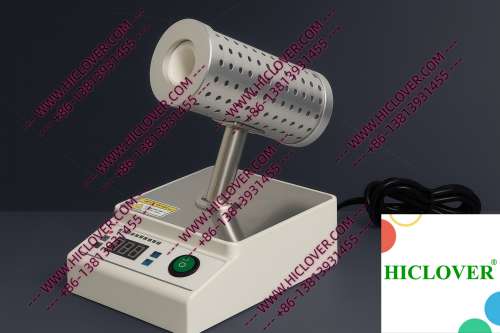
At the core of the Micro Incinerator is the principle of infrared heat. Unlike conventional flame sterilizers, which utilize open flames and can produce harmful aerosols, the Micro Incinerator employs an enclosed ceramic tube that generates high-temperature infrared radiation. This technology ensures that inoculating loops and other small instruments are sterilized quickly and efficiently, providing a clean-bench-safe environment ideal for sensitive applications.
The enclosed heating chamber minimizes the risk of flames or spills—making it compliant with stringent biosafety standards in labs. This system not only maximizes safety but also enhances the utility and reliability of sterilization protocols.
Applications in Modern Laboratories
1. Field Testing
In laboratories that operate in the field, such as microbiological testing for environmental samples, the Micro Incinerator shines as a portable solution. With its lightweight design and rapid sterilization capabilities, researchers can efficiently manage their workflows without the risks associated with open flames. This becomes particularly advantageous when working in remote areas where traditional gas sources are not viable.
2. University Teaching Labs
In educational settings, the Micro Incinerator enhances teaching protocols in microbiology courses. Students can safely learn about sterile techniques without the hazards of flame sterilization. Instructors appreciate the ease of demonstrating sterilization processes, as students can observe the rapid disinfection capabilities without any associated risk of burns or accidents.
Biosafety and Compliance Standards
As laboratories operate under strict compliance with biosafety standards set by organizations like the WHO, the Micro Incinerator stands out. The design caters specifically to the needs of BSL-2 and BSL-3 compliance protocols, allowing for no-flame sterilization in environments such as clean rooms and biosafety cabinets. Adhering to these standards is critical not only for user safety but also for the integrity of laboratory results.
- WHO Biosafety Guidelines
- ASTM Laboratory Standard Specifications
- BSL-2 and BSL-3 Compliance
Micro Incinerator vs. Traditional Flame Sterilizers
| Feature | Micro Incinerator | Traditional Flame Sterilizers |
|---|---|---|
| Heat Source | Infrared/Enclosed Ceramic | Open Flame |
| Efficiency | Rapid Thermal Sterilization | Varies, Slower Heating |
| Safety | Ceramic Enclosure, No Flame Risks | High Risk of Burns, Spills |
| Portability | Lightweight, Ideal for Field | Typically Heavier |
| Contamination Control | Aerosol-Free Handling | Potential Aerosol Production |
Frequently Asked Questions
What is a Micro Incinerator used for?
A Micro Incinerator is used for sterilizing inoculating loops and small lab instruments quickly and efficiently without open flames, ensuring that contamination risks are minimized.
How does infrared sterilization differ from traditional methods?
Infrared sterilization uses high temperatures emitted from a ceramic tube to clean instruments, while traditional methods typically involve an open flame, which can pose safety risks and produce aerosols.
Can the Micro Incinerator be used in field testing labs?
Yes, its lightweight and portable design, alongside rapid sterilization capabilities, make it perfect for field testing environments.
Is it compliant with biosafety regulations?
Indeed, the Micro Incinerator meets WHO biosafety standards, making it suitable for BSL-2 and BSL-3 laboratories.
How can I integrate it into my lab’s workflow?
You can integrate the Micro Incinerator by placing it in your sterilization area where loops and instruments are routinely used, ensuring maximum safety and efficiency.
Conclusion
Transitioning from traditional flame systems to the Micro Incinerator represents a significant leap in laboratory compliance and safety. Whether your focus is on clinical diagnostics, BSL compliance, or educational environments, investing in modern sterilization technology enables enhanced workflow, minimizes risks, and guarantees effective contamination control. For more information about the Micro Incinerator and how it can transform your laboratory practices, don’t hesitate to get in touch today!
Categories:
Tags: