
Laboratory biosafety is paramount, particularly when handling potentially hazardous biological materials. The sterilization of inoculating loops is a critical procedure in many microbiological practices, ensuring that samples remain uncontaminated. Traditional flame sterilizers, such as alcohol lamps and Bunsen burners, have been standard tools in labs for decades. However, they are often suboptimal due to the risk of open flames, aerosol generation, and temperature variations that can endanger both lab personnel and the integrity of the samples.
Technical Principles of Infrared Inoculating Loop Sterilizers
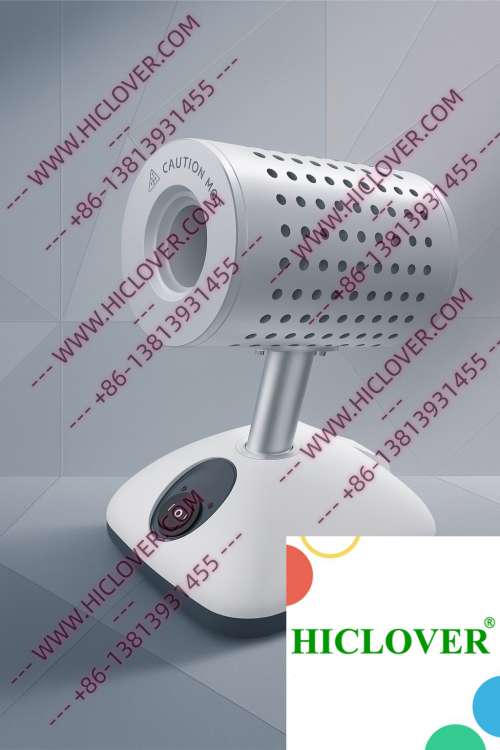
The Micro Incinerator—or infrared inoculating loop sterilizer—offers a significant advancement in the field of laboratory sterilization equipment. This device operates on the principle of rapid thermal sterilization via infrared heat, which quickly elevates temperatures necessary for disinfection, achieving upwards of 800°C within seconds. Utilizing a robust ceramic heating chamber, the Micro Incinerator provides enclosed and localized heat, effectively killing microbes without the hazards associated with flames.
Unlike traditional methods, the infrared sterilization process generates no aerosols, making it ideal for sensitive environments like BSL-2 and BSL-3 microbiology labs. Furthermore, it is designed for clean-bench-safe operations, ensuring that the surrounding environment remains uncontaminated during the sterilization process.
Application Scenarios in Real Labs
Biosafety Cabinet Configuration
In a typical BSL-2 laboratory, researchers often work under biosafety cabinets to ensure containment and worker safety. The infrared inoculating loop sterilizer can be integrated into these cabinets seamlessly. For instance, when inoculating agar plates, researchers can quickly sterilize their loops without the risk of fire or contamination from manual flame techniques. The high temperatures achieved rapidly eliminate pathogens from the inoculating loop, allowing for safe and efficient handling of dangerous specimens.
Field Testing Adaptability
In environments where mobile laboratories are required, such as field testing for microbial contamination in environmental samples, the Micro Incinerator provides an indispensable advantage. With its compact design and electric operation, it can be easily transported and used in various settings—eliminating the need for bulky and hazardous flame-producing devices. This adaptability allows technicians to perform environmental sampling while maintaining strict adherence to sterilization protocols, improving the reliability of their results.
Compliance and Environmental Considerations
The World Health Organization (WHO) emphasizes the importance of optimal laboratory practices, particularly in managing biosafety standards. Compliance with stringent lab sterilization standards is crucial in preventing contamination and ensuring laboratory personnel’s safety. The infrared inoculating loop sterilizer is designed for use in clean rooms and other sterile environments, eliminating the risks posed by open flames, which are prohibited in many facilities.
Moreover, the electric design of the Micro Incinerator reduces the environmental impact associated with traditional sterilization methods that utilize gas and alcohol, which can lead to hazardous waste and emissions. Its compact footprint and low power consumption make it a sustainable choice for laboratories aiming to minimize their carbon footprint.
Comparative Advantages: Micro Incinerator vs. Flame Sterilizers
| Feature | Micro Incinerator | Flame Sterilizer |
|---|---|---|
| Temperature Control | Consistent high temperature | Variable and dependent on user skill |
| Safety | No open flames, reduced aerosol risk | Open flames can cause burns and fire hazards |
| Environmental Isolation | Clean-bench-safe operation | Risks contamination due to combustion byproducts |
| Portability | Compact and electric | Heavy and dependent on gas supply |
| Operating Cost | Lower energy consumption | Higher recurring costs with fuel |
Frequently Asked Questions
- What is the maximum temperature achieved by a Micro Incinerator? The Micro Incinerator can reach temperatures of around 800°C within seconds, allowing for rapid sterilization.
- How does the Micro Incinerator ensure no aerosols are produced during sterilization? Its enclosed ceramic heating chamber leads to rapid thermal sterilization, which eliminates the risk of aerosol formation associated with flame techniques.
- Is it suitable for use in BSL-3 laboratories? Yes, its design supports compliance with biosafety standards in BSL-3 labs, providing a safe and effective sterilization option.
- Can the Micro Incinerator be used for fieldwork? Absolutely! Its compact size and electric operation make it ideal for mobile labs in field testing scenarios.
- What advantages does it have over traditional flame sterilizers? The main advantages include higher temperature consistency, improved safety, no fire hazards, and reduced environmental impact.
Conclusion
In summary, the Micro Incinerator / Infrared Inoculating Loop Sterilizer represents a significant leap forward in laboratory sterilization technology. With its focus on safety, efficiency, and environmental compliance, it is undoubtedly the preferred choice for modern microbiology labs, teaching facilities, and field testing operations. If you’re interested in upgrading your laboratory sterilization practices, consider making the switch today. Contact us to learn more about the Micro Incinerator and how it can transform your sterilization workflow.
Categories:
Tags: