
In the ever-evolving field of laboratory practices, maintaining biosafety standards is a paramount concern. With the rise of laboratory sterilization challenges, particularly in India, understanding the most effective methods of disinfection is critical. Among the various sterilization techniques available, the Micro Incinerator, also known as the Infrared Inoculating Loop Sterilizer, stands out as a rapid and efficient solution for contamination control. This article explores common myths surrounding loop sterilization, technical principles, real-world applications, regulatory compliance, and the advantages of adopting this technology in various laboratory settings.
Understanding the Technical Principles Behind Loop Sterilization
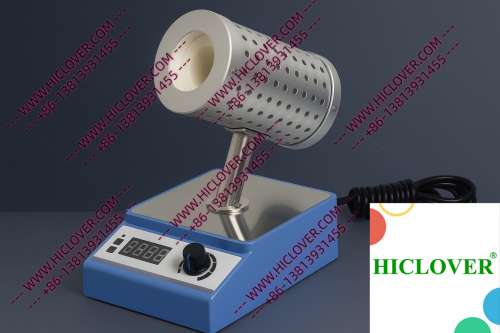
The Micro Incinerator operates on the principle of infrared heat. Unlike traditional flame sterilizers such as alcohol lamps and Bunsen burners, which rely on open flames, the Micro Incinerator utilizes a ceramic heating chamber that generates high temperatures rapidly and evenly. The enclosed design ensures that the sterilizing process is efficient and minimizes the chance of aerosol production, which is critical in maintaining a clean and safe working environment.
Key Features
- Rapid Thermal Sterilization: Achieves sterilization in seconds.
- Contamination Control: Reduces risk of cross-contamination.
- Infrared High-Temperature Disinfection: Effective against a wide range of microorganisms.
- Ceramic Heating Chamber: Ensures durability and uniform heat distribution.
- Clean-Bench-Safe: Tailored for use in clean rooms and biosafety cabinets.
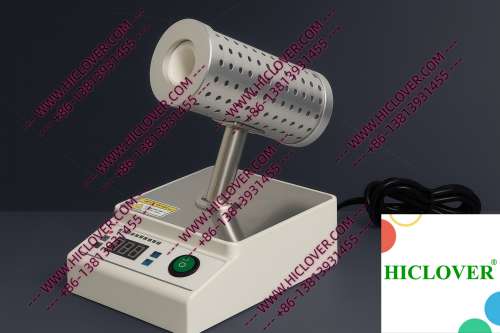
Applications of Micro Incinerators in Real Labs
1. Biosafety Cabinets
In biosafety level 2 (BSL-2) and higher microbiology labs, strict adherence to sterilization procedures is essential. Micro Incinerators are commonly used within biosafety cabinets where maintaining sterile conditions is non-negotiable. Their ability to sterilize inoculating loops and needles quickly ensures that microbiological studies can proceed without the risk of contaminating cultures, which is vital for clinical diagnostics and research accuracy.
2. Field Testing
Mobile and field testing labs, particularly in rural India, are increasingly adopting Infrared Inoculating Loop Sterilizers. These units are lightweight, portable, and do not rely on external flame sources, making them suitable for various environments. For example, in agricultural research where soil and plant samples need careful handling, the use of Micro Incinerators ensures that samples remain uncontaminated, enhancing the reliability of test results.
Compliance with Global Biosafety Standards
The World Health Organization (WHO) has outlined specific biosafety guidelines that laboratories must adhere to, emphasizing the importance of safe sterilization practices. The Micro Incinerator aligns with these standards by eliminating the use of naked flames — suitable for clean rooms where contamination control is critical. Additionally, compliance with international laboratory sterilization standards ensures that research institutions and hospitals not only protect their staff but also maintain the integrity of their samples.
Advantages Over Traditional Flame Sterilizers
| Feature | Micro Incinerator | Flame Burners |
|---|---|---|
| Heat Source | Infrared heating | Open flame |
| Contamination Risk | Lower | Higher |
| Speed of Sterilization | Seconds | Minutes |
| Safety | Greater safety, no flame | Risk of burns, fire hazard |
Frequently Asked Questions
What is a Micro Incinerator and how does it work?
A Micro Incinerator is an infrared inoculating loop sterilizer that uses ceramic heaters to achieve rapid thermal sterilization of laboratory tools.
Are Micro Incinerators safer than flame sterilizers?
Yes, they significantly reduce the risk of burns and fires as they do not use an open flame, making them ideal for use in sensitive environments such as clean rooms.
Can a Micro Incinerator be used in field testing labs?
Absolutely! Their portable design and speed make them perfect for field testing in various locations, where traditional flame sterilizers would be impractical.
What are the compliance standards for laboratory sterilization equipment in India?
Laboratories in India must comply with guidelines set forth by the WHO and local regulatory bodies that emphasize safe and effective sterilization processes.
How do I maintain a Micro Incinerator?
Regular cleaning of the ceramic heating elements and ensuring that the unit remains free from debris will prolong its lifespan and maintain performance.
Conclusion
As laboratory demands continue to increase in complexity and safety requirements escalate, adopting advanced sterilization solutions like the Micro Incinerator is no longer just an option—it’s a necessity. Offering significant advantages over traditional flame sterilizers, this device ensures rapid, safe, and effective sterilization in various laboratory settings. If you’re looking to enhance your laboratory’s sterilization practices or have any questions regarding the integration of Micro Incinerators into your workflow, don’t hesitate to reach out. Secure your laboratory’s future with the latest in sterilization technology.
Categories:
Tags: