
Biosafety challenges in laboratories are a growing concern, especially in countries like Sri Lanka, where healthcare systems are evolving rapidly amidst environmental sustainability commitments. As sterilization requirements increase, laboratory personnel are faced with the need for efficient, effective, and safe sterilization solutions. Traditional flame sterilizers, including alcohol lamps and Bunsen burners, often fall short in providing a clean, contamination-free environment. This is where micro incinerators come into play, particularly the Micro Incinerator / Infrared Inoculating Loop Sterilizer. This article delves into how these advanced sterilization devices can assist Sri Lanka in meeting its environmental and operational goals.
The Technical Principles Behind Micro Incinerators
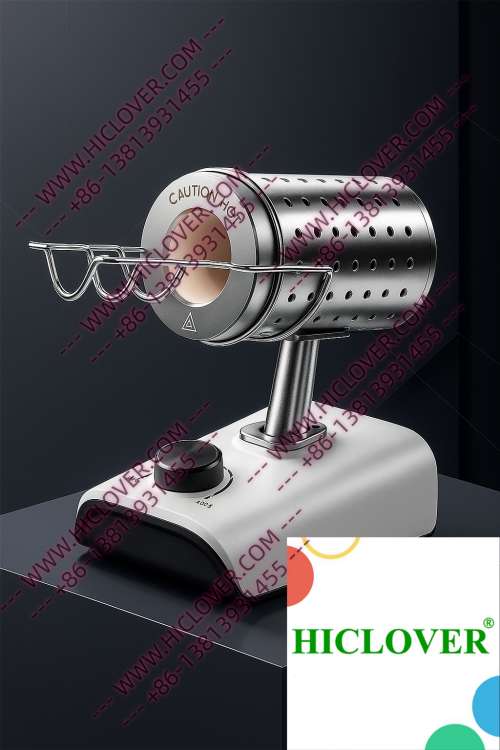
Micro incinerators utilize rapid thermal sterilization through infrared heating mechanisms. The core of their design includes an enclosed ceramic tube that can reach elevated temperatures quickly while minimizing energy consumption. The infrared radiation effectively penetrates the materials, leading to high-temperature disinfection that eliminates pathogens without the need for open flames.
This unique design provides several advantages over traditional flame sterilizers:
- Safety: No open flames mean reduced risks of fire hazards and accidents, particularly in clean-room settings.
- Contamination Control: Aerosol-free handling limits the risk of contamination during the sterilization process.
- Efficiency: The rapid heating capabilities ensure a quicker turnaround for sterilizing inoculating loops, needles, and other instruments.
- No flame sterilization aligns with clean room protocols.
- Reduced emissions contribute to national environmental goals by minimizing carbon footprints during the sterilization process.
- Compliance with WHO biosafety standards ensures that laboratories can handle high-risk pathogens effectively.
- Q1: What is a Micro Incinerator, and how does it work?
A1: A Micro Incinerator is a laboratory device that uses infrared heat to rapidly sterilize tools without open flames, enhancing safety and efficiency. - Q2: Are Micro Incinerators suitable for all laboratory settings?
A2: Yes, they are designed for various labs, from BSL-2 microbiology labs to mobile testing units, providing versatility across applications. - Q3: How do Micro Incinerators help in meeting environmental goals?
A3: By minimizing emissions and using energy-efficient sterilization methods, Micro Incinerators contribute to environmentally sustainable practices in laboratories. - Q4: Can Micro Incinerators be used in clean rooms?
A4: Yes, their design ensures compatibility with clean room protocols due to the lack of open flames and reduced aerosol production. - Q5: How do I choose the right sterilization equipment for my lab?
A5: Depending on your lab requirements, consider factors such as safety, speed, compliance with regulations, and the nature of the work being performed.
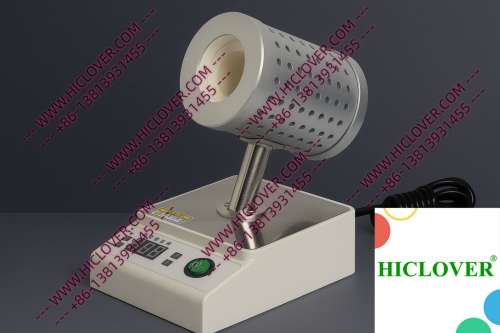
Practical Applications of Micro Incinerators in Sri Lankan Laboratories
The use cases for micro incinerators are diverse across various laboratory settings. Here are two prominent scenarios illustrating their effectiveness:
1. Biosafety Cabinets in Clinical Diagnostics
In BSL-2 and BSL-3 microbiology labs, micro incinerators are invaluable for sterilizing inoculating loops and other tools used for pathogen handling. Operating within a biosafety cabinet ensures that the sterilization process occurs without external contamination. The clean, efficient heat ensures that the instruments are free from viable pathogens before they are placed back into use, significantly enhancing laboratory safety protocols.
2. Mobile and Field Testing Labs
In regions where resources may be limited, such as rural areas in Sri Lanka, mobile laboratories play a crucial role in disease diagnostics and research. Micro incinerators are perfect for these settings as they are lightweight, easy to operate, and do not require a constant supply of gas or alcohol. This allows technicians to conduct field tests and sample analyses without the need for cumbersome safety protocols that traditional flame sterilizers demand.
Compliance and Environmental Standards
The need for compliance with organizations like the World Health Organization (WHO) is critical for safe laboratory operations. Laboratories in Sri Lanka must adhere to local and global sterilization standards to ensure safe working environments. Micro incinerators align with these compliance requirements:
Micro Incinerator vs. Traditional Flame Sterilizers
| Feature | Micro Incinerator | Traditional Flame Sterilizers |
|---|---|---|
| Safety | No open flames | Open flames present |
| Efficiency | Rapid heating and sterilization | Slower heating times |
| Contamination Control | Aerosol-free | Aerosol risks |
| Environmental Impact | Lower emissions | Higher emissions |
Frequently Asked Questions
Conclusion
Micro incinerators, and specifically the Micro Incinerator / Infrared Inoculating Loop Sterilizer, represent a major advancement in laboratory sterilization methods. Their advantages in safety, efficiency, and compliance make them ideal for laboratories in Sri Lanka striving to enhance their operational standards while meeting significant environmental commitments. Investing in these modern sterilization solutions will not only streamline workflow but also contribute to a healthier environment. To learn more about how Micro Incinerators can benefit your lab, don’t hesitate to get in touch with us today!
Categories:
Tags: