
In today’s highly regulated laboratory environment, the demand for efficient and effective sterilization methods is at an all-time high. Biosafety challenges and advanced sterilization workflow demands drive professionals in laboratory settings to seek reliable solutions that ensure contamination control while adhering to stringent safety guidelines. Among the range of sterilization equipment available, the Micro Incinerator and its derivative, the Infrared Inoculating Loop Sterilizer, have emerged as leaders in laboratory sterilization technology, specifically designed for culture transfers in microbiological applications.
How Micro-Incinerators Work
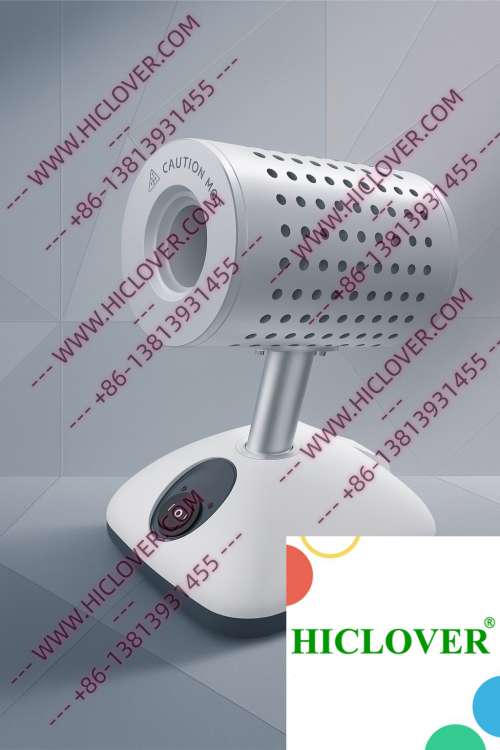
The principle behind the Micro Incinerator’s effectiveness lies in its ability to use rapid thermal sterilization through infrared heat. A key feature is its enclosed ceramic heating chamber, which eliminates the risks associated with open flames. This chamber generates high temperatures that ensure effective disinfection without the production of hazardous aerosols, making it particularly suitable for clean-bench-safe operations.
The device’s efficiency is further enhanced by its ability to reach sterilization temperatures almost instantaneously, allowing users to focus on workflow rather than waiting for equipment to cool down or heat up. A quick-heating element ensures that the inoculating loops, needles, and other implements are rapidly heated to temperatures exceeding 800°C, guaranteeing effective sterilization.
Applications in Real Laboratories
Micro Incinerators have proven invaluable in various laboratory settings, including:
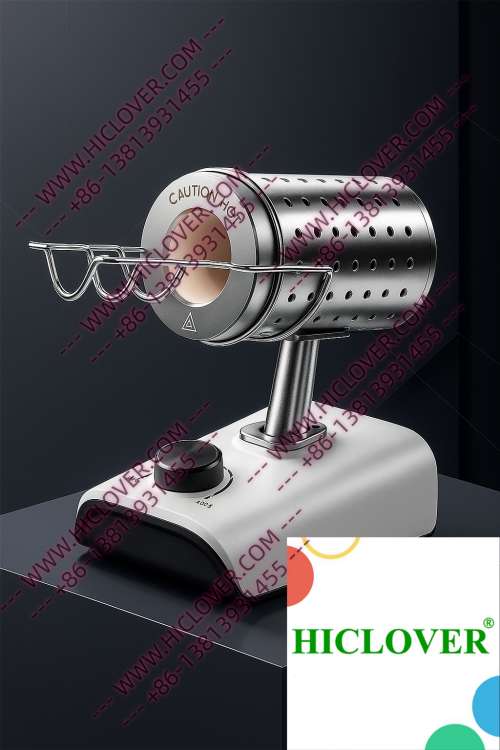
- Biosafety Cabinets: Micro Incinerators are essential for BSL-2 and BSL-3 microbiology labs, where maintaining biosafety is critical. Their closed design and ability to eliminate open flames protect both the operator and the samples from contamination.
- Teaching Laboratories: In university settings, instructors rely on Micro Incinerators for teaching sterile techniques in microbiology students. This method provides a safe, efficient way to demonstrate proper sterilization practices without the risks associated with traditional flame sterilizers.
Compliance and Environmental Considerations
When evaluating laboratory sterilization equipment, it’s essential to consider compliance with regulatory standards such as those set forth by the World Health Organization (WHO) and national safety regulations. Micro Incinerators adhere to stringent laboratory sterilization standards, effectively meeting the demands of labs needing non-flame solutions.
As clean room environments become more prevalent, the need for flame-free sterilization is paramount. Alcohol lamps and Bunsen burners can produce harmful fumes and open flames, disallowing their use in many modern laboratory setups. The Micro Incinerator eliminates these risks, aligning with environmental safety protocols.
Comparison: Micro Incinerator vs. Flame Burners
| Feature | Micro Incinerator | Flame Burners |
|---|---|---|
| Temperature Control | Rapid, precise | Variable, dependent on operator skill |
| Safety | Low risk of fire, flame-free | High risk of burns and fire hazards |
| Ease of Use | Instant on/off | Requires setup and constant monitoring |
| Aerosol Production | None | High, especially in volatile environments |
| Portability | Compact, lightweight | Bulky, may require additional gas supplies |
Frequently Asked Questions
- What are Micro Incinerators primarily used for?
Micro Incinerators are mainly used for sterilizing inoculating loops and tools in microbiology, ensuring rapid and effective sterilization. - How do Micro Incinerators comply with biosafety standards?
The design of Micro Incinerators eliminates open flames and reduces aerosol production, making them compliant with strict laboratory safety and sterilization standards. - Can Micro Incinerators be used in fields outside traditional labs?
Yes, they are suitable for mobile and field testing labs, making them versatile tools for various applications requiring sterile conditions. - Are Micro Incinerators suitable for teaching labs?
Absolutely! Their safety and efficiency make them ideal for demonstrating sterile practices in educational environments. - What are the maintenance requirements for a Micro Incinerator?
Regular cleaning of the heating chamber and periodic inspection of the device ensure optimal performance and longevity.
Conclusion: Elevate Your Laboratory Operations Today
Choosing the right sterilization equipment is critical in maintaining biosafety standards and enhancing workflow efficiency. The Micro Incinerator stands out as a premier choice for laboratory sterilization, combining rapid thermal sterilization with safety and compliance benefits. Equip your laboratory with this innovative technology to ensure your culture transfers are executed with the highest standards of safety and efficiency. For inquiries or to make a purchase, contact us today to elevate your laboratory operations.
Categories:
Tags: