
In the fast-paced world of veterinary health and laboratory sciences, maintaining sterile conditions is paramount. Laboratories face numerous biosafety challenges, including preventing contamination during routine procedures and ensuring laboratory safety for both the professionals and the animals involved. As the demand for effective sterilization solutions increases, innovative products like the Micro Incinerator and Infrared Inoculating Loop Sterilizer emerge to meet these needs efficiently and safely.
The Technical Principles of Infrared Sterilization
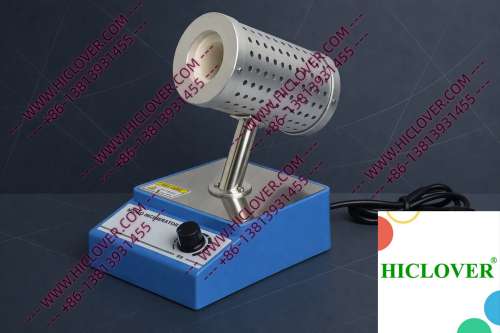
Micro Incinerators utilize advanced infrared heat technology to achieve rapid thermal sterilization. This method is based on the principle of generating high temperatures within an enclosed ceramic heating chamber, designed to ensure consistent and even heat distribution. Unlike traditional flame sterilizers, which can pose hazards such as aerosol production and risk of uncontrolled fires, infrared sterilizers provide a clean-bench-safe environment. The sterile loop or instrument is exposed to concentrated infrared radiation that eliminates pathogens without the need for an open flame.
Advantages Over Traditional Flame Sterilizers
- Enhanced safety: Infrared sterilizers mitigate risks associated with open flames and reduce the chances of aerosol transmission.
- Efficient and rapid operation: They achieve sterilization in seconds, streamlining workflows in busy laboratory environments.
- Clean operation: Infrared technology ensures that no residues are left after the process, making it ideal for cleanroom conditions.
- WHO Biosafety Manual compliance (safety and low contamination risk)
- ISO 15189 standards for medical laboratories
- NIH Guidelines for Research Involving Recombinant DNA Molecules
Applications in Real Laboratories
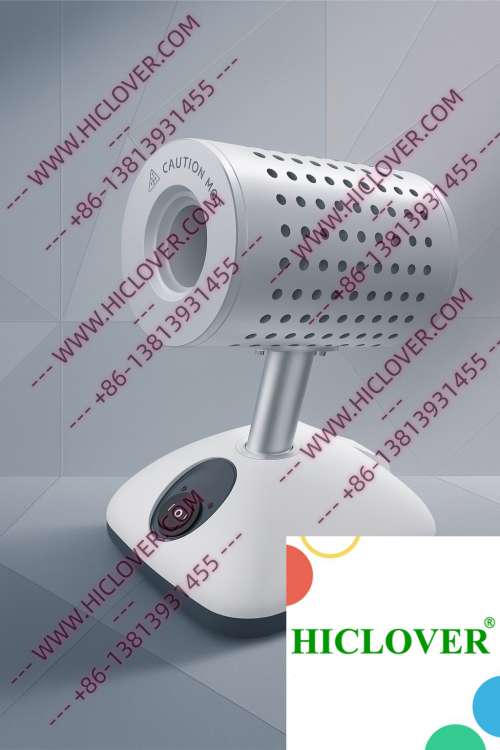
The versatility of the Micro Incinerator can be highlighted through various application scenarios. In BSL-2 and BSL-3 microbiology labs, where controlling contamination is crucial, this sterilizer embeds seamlessly into sterilization workflows. Technicians can quickly sterilize inoculating loops or small instruments without compromising safety protocols.
1. Use in a Biosafety Cabinet
Within a biosafety cabinet, it is essential to use sterilization methods that do not introduce additional risks. The Micro Incinerator provides a safe, aerosol-free handling option, allowing researchers to inoculate cultures rapidly. The device becomes integral to maintaining a sterile environment as it ensures instruments are disinfected effectively before entering sensitive areas.
2. Application in Field Testing
Field testing, particularly in veterinary health assessments, often presents challenges related to sterilization on-the-go. The portable design of the Micro Incinerator offers veterinarians the ability to sterilize tools immediately in the field without relying on cumbersome and less efficient flame sterilizers. Consequently, biosecurity during mobile diagnostics is significantly enhanced, aiding in the prevention of disease propagation.
Compliance and Environmental Considerations
Adhering to compliance standards is vital for laboratories involved in animal health and clinical diagnostics. The World Health Organization (WHO) emphasizes the importance of biosecurity measures in laboratory settings to prevent the spread of zoonotic diseases. The Micro Incinerator meets stringent lab sterilization standards, fulfilling all necessary regulatory requirements. Additionally, since it avoids open flames, it is perfect for use in cleanrooms where traditional flame sterilizers could compromise air quality and sterility levels.
Compliance Reference
When considering sterilization equipment, adherence to compliance guidelines is critical:
Frequently Asked Questions
Q1: How does the Micro Incinerator differ in safety from traditional flame sterilizers?
A: The Micro Incinerator significantly reduces the risk of aerosolization and fire hazards associated with open flames, making it safer for both users and laboratory environments.
Q2: Can the Micro Incinerator be used in cleanrooms?
A: Yes, the design of the Micro Incinerator is clean-bench-safe, making it ideal for cleanroom applications.
Q3: What type of laboratories can benefit from this sterilization equipment?
A: BSL-2 and BSL-3 microbiology labs, field-testing facilities, and university teaching labs can all greatly benefit from incorporating the Micro Incinerator into their workflows.
Q4: How quickly can the Micro Incinerator sterilize instruments?
A: The Micro Incinerator achieves sterilization in a matter of seconds, enhancing operational efficiency.
Q5: Is there a specific maintenance requirement for the Micro Incinerator?
A: Minimal maintenance is required, including regular cleaning of the ceramic chamber and ensuring the heating element remains in good condition.
Conclusion
In conclusion, the Micro Incinerator and Infrared Inoculating Loop Sterilizer represent a leap forward in sterilization technology within veterinary health and laboratory science. By eliminating contamination risks and offering rapid thermal sterilization, these devices are changing how laboratories approach sterilization workflows. If you’re looking to enhance your laboratory’s safety and efficiency, consider integrating this cutting-edge technology into your sterilization repertoire. Reach out today for more information or to make a purchase that will enhance your laboratory’s capabilities.
Categories:
Tags: