
In the evolving world of laboratory biosafety, addressing contamination risks has never been more critical. With increasing demands from researchers, healthcare personnel, and educators, the workflow of sterilization has undergone a revolutionary transformation. Laboratories worldwide—from clinical diagnostics to teaching institutions—face the challenge of maintaining rigorous hygiene standards. This is where odorless sterilization devices, particularly the Micro Incinerator or Infrared Inoculating Loop Sterilizer, emerge as game-changers.
The Case for Infrared Technology in Laboratory Sterilization
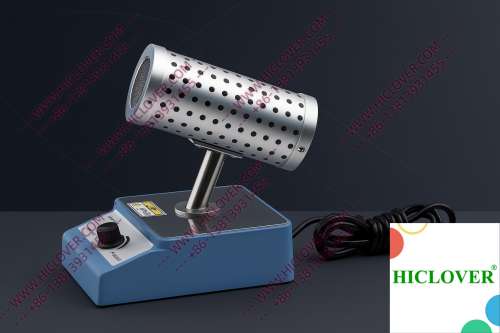
At the heart of the Micro Incinerator’s efficiency lies its innovative use of infrared heat. Unlike traditional flame sterilizers, such as alcohol lamps and Bunsen burners, this device employs a compact, enclosed ceramic tube that generates high-temperature disinfection without the hazards associated with open flames. The infrared technology facilitates rapid thermal sterilization, ensuring that tools are appropriately sanitized while drastically reducing the risk of aerosol production that can lead to cross-contamination.
Additionally, the design is clean-bench-safe, making it an excellent option for environments that prioritize compliance with biosafety regulations, such as BSL-2 and BSL-3 laboratories.
Applications in Real Laboratories
1. Biosafety Cabinet Operations
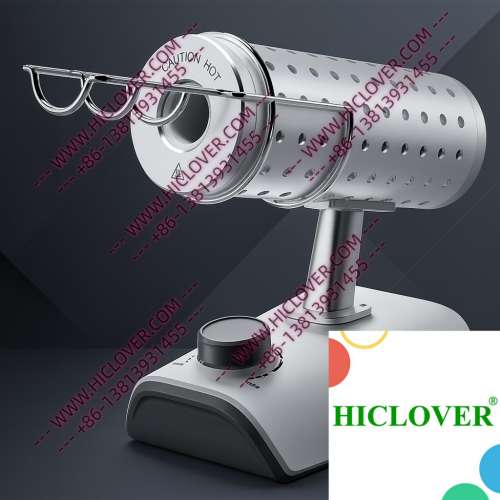
In a typical BSL-2 laboratory setup, researchers often rely on biosafety cabinets to protect both personnel and samples from contamination. The Micro Incinerator fits seamlessly within this configuration, providing an efficient and safe method to sterilize inoculating loops and other instruments. Its compact size allows for easy integration into the workspace, while its odorless operation ensures that researchers can maintain a distraction-free environment, enhancing focus and productivity.
2. University Teaching Laboratories
University teaching labs present another critical application for odorless sterilization devices. Here, students are trained in microbiological techniques that require precise contamination control. By employing the Infrared Inoculating Loop Sterilizer, educators can minimize the risks associated with traditional flame sterilizers. Furthermore, the device’s rapid heating capability allows for more hands-on training sessions without sacrificing safety—a significant advantage for both instructors and students alike.
Meeting Compliance and Safety Standards
Adhering to established laboratory sterilization standards is non-negotiable in any facility striving for biosafety excellence. The World Health Organization (WHO) emphasizes strict guidelines for sterilization practices, calling for efficient systems that minimize risk to personnel and reduce contamination potential.
- Compliance with biosafety regulations is paramount in avoiding lab-acquired infections.
- The Micro Incinerator eliminates the risks associated with flames in clean rooms, making it compliant with cleanroom standards.
- Utilization of infrared heating reduces pollutants and waste emitted during sterilization.
Advantages Over Traditional Flame Sterilizers
When comparing the Micro Incinerator to conventional flame burners, several key benefits become evident:
| Feature | Micro Incinerator | Traditional Flame Sterilizers |
|---|---|---|
| Odor | Odorless | Foul odor from alcohol or gas |
| Safety | Non-flammable, enclosed design | Open flames pose fire hazards |
| Contamination Control | Aerosol-free handling | Open flames can create aerosols |
| Heat Source | Infrared, consistent and rapid | Variable flame intensity |
Frequently Asked Questions
What types of labs benefit the most from using a Micro Incinerator?
Micro Incinerators are particularly beneficial in BSL-2 and BSL-3 labs, clinical diagnostics, university laboratories, and field testing environments where hygiene and sterilization are critical.
Is the Micro Incinerator energy efficient?
Yes, the infrared technology employed in the Micro Incinerator is highly energy-efficient, allowing for minimal energy consumption while providing rapid heating capabilities.
Can I use a Micro Incinerator in a biosafety cabinet?
Absolutely! The compact design and odorless feature of the Micro Incinerator make it ideal for installation and use within biosafety cabinets.
How does infrared sterilization differ from flame sterilization?
Infrared sterilization eliminates the risks associated with open flames and aerosols. It also heats materials more uniformly and quickly without the unpleasant odors or contamination risks of flame sterilizers.
Are Micro Incinerators compliant with WHO recommendations?
Yes, they meet important WHO biosafety and sterilization standards, ensuring a high level of safety for laboratory personnel.
Conclusion
The transition towards odorless sterilization devices, most notably the Micro Incinerator, represents a significant advancement in laboratory hygiene practices. Offering enhanced safety, compliance with health regulations, and improved workflow efficiency, this innovative technology is helping laboratories meet modern demands in contamination control.
If you’re looking to elevate your lab’s sterilization protocols and ensure a safer working environment, consider incorporating the Micro Incinerator into your equipment lineup. Contact us today for more details and to explore our product offerings.
Categories:
Tags: