
Laboratory sterilization is crucial for maintaining biosafety and ensuring reliable results in various scientific endeavors. Traditional flame-based sterilizers, such as alcohol lamps and Bunsen burners, have long been used to achieve this goal. However, as laboratories continuously evolve in their quest for efficiency and safety, there is a growing shift towards innovative sterilization methods. One of the most significant advancements in this area is the Micro Incinerator, or Infrared Inoculating Loop Sterilizer. This article explores the transition from traditional flame sterilizers to flameless options, focusing on their advantages, applications, and compliance with biosafety standards.
Understanding the Technical Principles of Flameless Sterilization
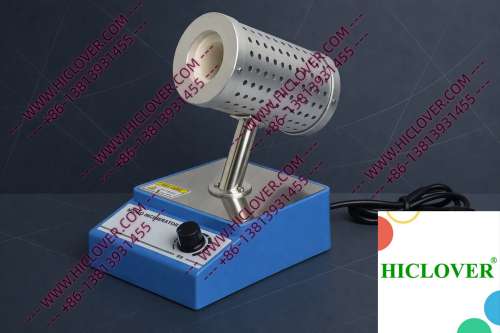
The Micro Incinerator operates on the principle of rapid thermal sterilization through infrared heat. This device employs an enclosed ceramic heating chamber that achieves high temperatures (up to 900°C) within seconds. Unlike traditional burners, the infrared-based technology allows for an efficient and consistent heat application without the risk of open flame, making it an excellent choice for various laboratory settings.
- Infrared Heat Technology: Provides direct contact with the inoculating loop, ensuring complete sterilization.
- Enclosed Ceramic Tube: Minimizes the risk of contamination by containing the heat and preventing aerosol dispersion.
- Portability: Lightweight design allows for easy transport between different lab environments.
Application Scenarios in Modern Laboratories
As laboratories face increased demands for safety and efficiency, the Micro Incinerator has found its place in several critical application scenarios:
1. Biosafety Cabinets
In BSL-2 and BSL-3 microbiology labs, contamination control is paramount. The use of a Micro Incinerator within a biosafety cabinet enhances safety protocols by providing a sterile environment while allowing for proper flame-free handling of samples. The enclosed design ensures no risk of flames or aerosol, crucial for maintaining sterility during sensitive protocols.
2. University Teaching Labs
In academic settings, safety and educational utility are vital. The Micro Incinerator serves as a safer alternative during microbiology lessons, where students can observe sterilization without the potential hazards of flame. The simple operation and rapid heating capabilities make it ideal for demonstrations, effectively teaching the principles of sterilization without compromising safety.
Compliance with Biosafety Standards
The adoption of flameless sterilization technologies, like the Micro Incinerator, aligns with several compliance requirements and guidelines set forth by organizations such as the World Health Organization (WHO). The absence of flames in clean rooms and laboratories significantly reduces the risk of ignition and contamination, making them safer for researchers and patients alike.
“Non-flame sterilization methods considerably enhance biosafety in laboratory environments, ensuring compliance with stringent guidelines.” – WHO Laboratory Protocols
Key Compliance Areas Include:
- Adherence to biosafety levels depending on the risk groups of the microorganisms handled.
- Reducing aerosol production during sterilization processes.
- Ensuring a clean and sterile environment for experiments that require absolute precision.
Advantages of Micro Incinerators Over Traditional Flame Sterilizers
When comparing the Micro Incinerator to traditional flame-based sterilizers, several clear advantages emerge:
| Feature | Micro Incinerator | Flame Burners |
|---|---|---|
| Safety | No open flame, reducing fire hazards. | Open flame presents significant risks. |
| Efficiency | Rapid heat-up time, sterilization in seconds. | Requires time to ignite and stabilize. |
| Contamination Control | Aerosol-free handling. | Aerosol may disperse contaminants. |
| Ease of Use | Simple operation with minimal training. | Potential complexity with flame management. |
FAQs About Micro Incinerators and Flameless Sterilization
1. What is a Micro Incinerator, and how does it work?
A Micro Incinerator is an infrared inoculating loop sterilizer that uses high temperatures to achieve rapid thermal sterilization, ensuring loop sterilization without open flames.
2. Are Micro Incinerators safe to use in clean rooms?
Yes, Micro Incinerators are designed for use in clean rooms, minimizing contamination risks by eliminating open flames and aerosol production.
3. How does the sterilization speed of a Micro Incinerator compare to traditional methods?
Micro Incinerators can reach sterilization temperatures within seconds, significantly faster than traditional flame sterilizers, which require time to heat up.
4. Can I use a Micro Incinerator in field testing labs?
Absolutely! The portable design of Micro Incinerators makes them suitable for field testing environments where traditional sterilizers are impractical.
5. Are there any maintenance requirements for Micro Incinerators?
Regular cleaning of the ceramic chamber and ensuring proper operation will help maintain the efficiency and effectiveness of the device.
Conclusion
The transition to flameless lab sterilization with the Micro Incinerator and similar innovations marks a significant step forward in lab safety and efficiency. By embracing these advanced sterilization solutions, laboratories can enhance their workflows, comply with stringent biosafety standards, and ultimately ensure the integrity of their results. If you’re interested in revolutionizing your sterilization process, contact us today or explore our high-quality Micro Incinerator options for your laboratory needs.
Categories:
Tags: