
In modern laboratories, the need for effective sterilization has never been more critical. Particularly in settings with high biosafety levels, such as BSL-2 and BSL-3 microbiology labs, traditional methods pose numerous challenges. Conventional sterilization techniques, like alcohol lamps and Bunsen burners, can introduce risks of fire hazards, aerosol generation, and contamination. The demand for reliable and rapid thermal sterilization methods has led to the emergence of burn-free infrared sterilizers, specifically Micro Incinerators or Infrared Inoculating Loop Sterilizers.
Understanding the Technology Behind Infrared Sterilizers
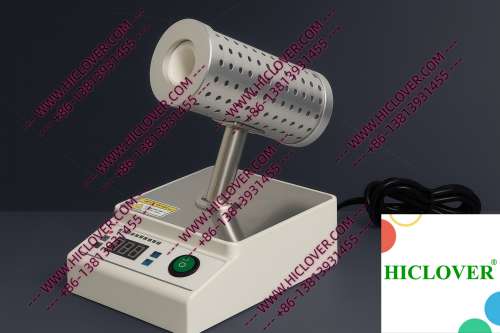
Infrared sterilizers utilize infrared high-temperature disinfection principles to rapidly eliminate microbes without combustion. The core component, an enclosed ceramic heating chamber, ensures that the device delivers consistent and efficient heat, maintaining temperatures that can instantly sterilize inoculating loops, needles, and other laboratory implements. Unlike traditional flame-based methods, infrared sterilizers provide a clean-bench-safe environment, minimizing the risk of contamination.
Why Choose Infrared Sterilization Over Flame-Based Methods?
The advantages of infrared sterilizers are manifold:
- Reduced fire hazards: No open flames mean less risk in sensitive lab settings.
- Enhanced efficacy: Infrared heat can reach temperatures needed for rapid sterilization much faster than traditional methods.
- Environmentally friendly: Infrared sterilizers typically do not generate harmful emissions associated with alcohol lamps.
- Aerosol-free handling: Reduces the potential for biological aerosol transmission, a significant concern in high-containment labs.
- Eliminating the need for flames in clean rooms, which can compromise sterility.
- Providing rapid thermal sterilization essential for BSL-2 and BSL-3 compliance.
Real-World Applications of Infrared Sterilizers
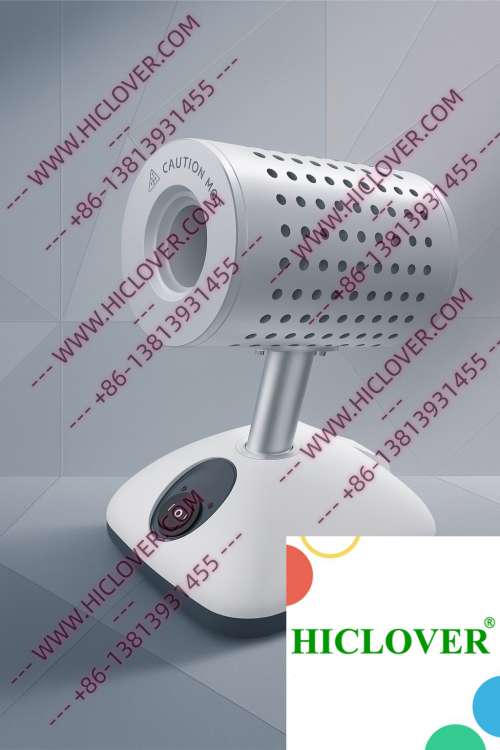
The versatility of Micro Incinerators is evident through various laboratory applications. Let’s explore two specific scenarios:
1. Biosafety Cabinet Integration
In biosafety cabinets, the usage of infrared sterilizers offers a seamless workflow. Researchers working with pathogenic organisms can ensure that all tools entering the cabinet are sterile, thus preventing cross-contamination. The speedy operation of infrared sterilizers allows for quick turnover between experiments, maintaining high productivity without compromising safety.
2. Field Testing in Remote Locations
For mobile laboratories conducting field tests, access to reliable sterilization is crucial. Micro Incinerators provide the required reliability in varying environmental conditions. As researchers collect samples from diverse ecological systems, the ability to sterilize instruments swiftly on-site is invaluable. These sterilizers are portable, user-friendly, and do not require constant refueling, which makes them ideal for field operations.
Biosafety Compliance and Laboratory Standards
Globally, organizations such as the WHO and various national health bodies have set stringent biosafety regulations. Compliance with these standards is crucial for laboratories to ensure safe practices, particularly when working with infectious agents. Infrared sterilizers align with these regulations by:
The certification of sterilization equipment is mandated in many jurisdictions, ensuring laboratories maintain an environment that mitigates contamination risks. As countries like the USA and UK establish rigorous lab sterilization protocols, adopting advanced technologies like the Micro Incinerator helps labs stay compliant and efficient.
Comparison: Infrared Sterilizer vs. Flame Burners
| Feature | Micro Incinerator | Flame Burners |
|---|---|---|
| Sterilization Time | Less than 10 seconds | Approx. 20-30 seconds |
| Risk of Contamination | Low | High |
| Portability | High | Medium |
| Environmental Impact | Minimal | Potentially harmful emissions |
Frequently Asked Questions
What is the main advantage of using a Micro Incinerator in sterilization?
The main advantage lies in its rapid sterilization capability, with no risk of introducing fire hazards like traditional burner methods. It allows for efficient, safe, and effective contamination control.
How does an infrared sterilizer work?
Infrared sterilizers emit infrared heat, heating specific objects to high temperatures that effectively kill microorganisms without the use of flame.
Are Micro Incinerators suitable for all laboratory environments?
Yes, they are particularly beneficial in biosafety cabinets, clinical diagnostics settings, and teaching labs, ensuring sterility without compromising safety standards.
Are there any maintenance requirements for infrared sterilizers?
Regular cleaning of the ceramic heating chamber is recommended to maintain optimal performance; however, they generally require low maintenance compared to traditional flame sterilizers.
How can I procure a Micro Incinerator for my laboratory?
To learn about purchasing options or to find a distributor, please contact us directly for expert guidance tailored to your laboratory’s specific needs.
Conclusion
In conclusion, the transition from traditional flame sterilizers to burn-free infrared sterilizers offers numerous advantages in terms of safety, efficiency, and compliance with global biosafety standards. The Micro Incinerator serves as an essential tool for modern laboratories, enhancing workflow while ensuring sterilization integrity. To elevate your laboratory’s sterilization practices, reach out to us for tailored solutions that meet your requirements.
Categories:
Tags: