
In today’s rigorous laboratory environment, maintaining microbial culture integrity while ensuring employee safety and compliance with global standards poses significant challenges. Outdated sterilization techniques, such as alcohol lamps and Bunsen burners, have been deemed inadequate in modern laboratory settings. These methods not only compromise the validity of microbiological results but also raise concerns regarding contamination control. Enter the innovative Micro Incinerator / Infrared Inoculating Loop Sterilizer, a game-changer for biosafety and workflow efficiency.
Understanding Micro Incinerators: Technical Principles
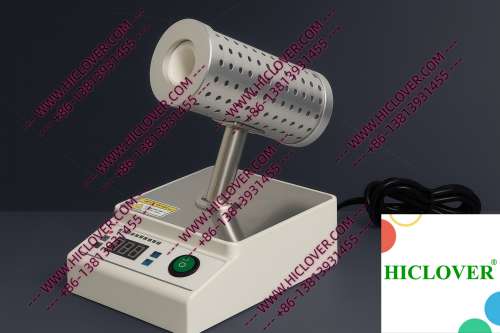
The Micro Incinerator operates on the principles of rapid thermal sterilization through infrared heat. Its ceramic heating chamber provides an enclosed environment that reaches high temperatures within seconds, effectively sterilizing inoculating loops and other tools without the risk of flames or aerosols. This infrared high-temperature disinfection method ensures complete eradication of microorganisms, while reducing the risk of cross-contamination.
Unlike traditional flame sterilizers, which rely on open flames and require constant monitoring, the Micro Incinerator offers a clean-bench-safe solution. The enclosed ceramic tube minimizes the release of harmful aerosols, making it ideal for sensitive laboratory environments, particularly in BSL-2 and BSL-3 microbiology labs.
Applications in Real Laboratory Scenarios
1. Biosafety Cabinets
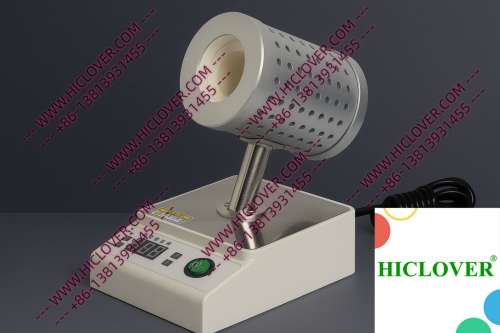
Biosafety cabinets serve as critical barriers to contamination in clinical diagnostics and research labs. The Micro Incinerator’s compact, portable design fits perfectly within these cabinets, enhancing workflows by providing an immediate sterilization option. Unlike flame-based methods, its operation is quiet and odorless, promoting an ideal environment for researchers dealing with pathogenic strains.
2. Mobile and Field Testing Labs
In field testing scenarios, where traditional sterilization methods may be impractical due to environmental factors, the Micro Incinerator proves invaluable. Its portability and efficient performance allow researchers to conduct microbial testing on-the-go, ensuring that culture integrity is maintained even in adverse conditions.
- Quick and efficient sterilization on-site
- Enhanced safety due to the absence of flame
- Ease of use in diverse environments
Compliance and Safety Standards
Globally, compliance with biosafety regulations is paramount. Standards set forth by organizations such as the World Health Organization (WHO) dictate strict guidelines for sterilization processes within laboratories. The use of flame sterilizers in cleanrooms is particularly discouraged due to potential contamination risks and the release of aerosols.
When compared to traditional methods, the Micro Incinerator aligns seamlessly with lab sterilization standards, offering a clean, efficient, and compliant solution. Its design adheres to federal safety regulations, making it suitable for educational institutions that prioritize student safety during practical training sessions.
“Choosing the Micro Incinerator for our university teaching lab has significantly improved student engagement and safety, allowing for deeper focus on experimentation without the distraction of smoke or flames.” – Dr. Sarah Mitchell, University Microbiology Professor
Comparative Overview: Micro Incinerators vs. Flame Sterilizers
| Feature | Micro Incinerator | Flame Sterilizer |
|---|---|---|
| Operation | Infrared heat | Open flame |
| Speed | Seconds | Variable (slow) |
| Safety | High – no risk of burns | Moderate – risk of burns and contamination |
| Portability | High | Low |
| Aerosol Generation | No | Yes |
FAQs about Micro Incinerators
- What makes the Micro Incinerator a better choice than flame sterilizers?
The Micro Incinerator uses infrared heat for rapid sterilization, providing higher safety and efficiency compared to open flames, which carry contamination risks. - Can the Micro Incinerator be used in field testing?
Yes, its portable design allows for effective sterilization in various environments, including mobile and field labs. - Is the Micro Incinerator compliant with WHO biosafety regulations?
Absolutely. It adheres to global lab sterilization standards, ensuring the safety and integrity of your work. - How does the Micro Incinerator handle different types of inoculating loops?
The device is versatile and can effectively sterilize various loop sizes, making it ideal for different applications. - Where can I purchase the Micro Incinerator?
The Micro Incinerator is available through various laboratory supply distributors, hospitals, and universities.
Conclusion
As modern laboratories grapple with the challenges of microbial culture integrity and stringent compliance regulations, the Micro Incinerator / Infrared Inoculating Loop Sterilizer emerges as a superior choice for ensuring safety and sterility. Its rapid, flame-free sterilization process not only ups the ante on biosafety but also enhances lab workflow efficiency across diverse environments—from teaching labs to clinical diagnostics. For those seeking cutting-edge sterilization solutions, consider reaching out for more information on how the Micro Incinerator can revolutionize your laboratory practices.
Categories:
Tags: