
The current laboratory biosafety landscape in Gaborone faces several critical challenges. Hospitals and research facilities must continually adapt to meet strict hygiene standards while ensuring rapid turnaround times for important laboratory tasks. One area that has recognized a clear need for improvement is sterilization workflow. The introduction of innovative sterilization equipment, such as the Micro Incinerator / Infrared Inoculating Loop Sterilizer, has emerged as a game-changer in the fight against contamination in laboratory settings.
Technical Principles of Infrared Inoculating Loop Sterilizers
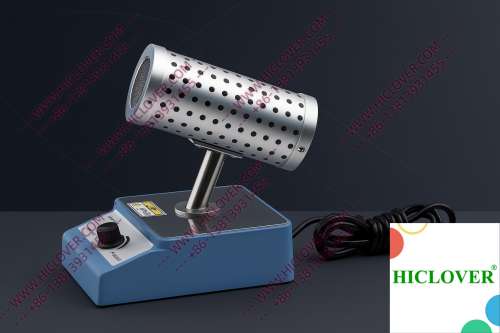
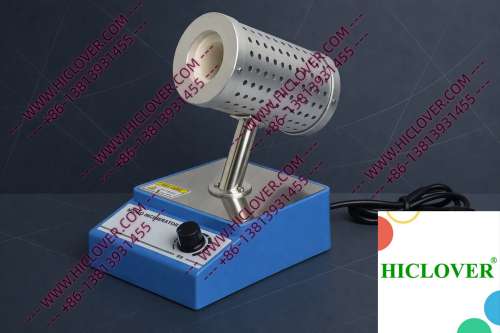
At the core of infrared inoculating loop sterilization technology lies the principle of rapid thermal sterilization. Unlike traditional methods that rely on open flames, which may pose significant risks in clean environments, the Micro Incinerator utilizes an enclosed ceramic tube that produces infrared heat. This highly efficient heating element reaches temperatures sufficient for the destruction of bacterial spores and other pathogens, ensuring a safe and effective sterilization process.
Key features of the Micro Incinerator include:
- Rapid Heating: The infrared technology allows the device to reach optimal sterilization temperatures in a matter of seconds.
- Clean-Bench-Safe Operation: There is no open flame, making it suitable for use in biosafety cabinets.
- Aerosol-Free Handling: Minimizes the risk of airborne contamination, crucial for BSL-2 and BSL-3 labs.
Applications in Laboratory Settings
In various laboratory environments, the Micro Incinerator has demonstrated its versatility and effectiveness. Here are two notable application scenarios:
1. University Teaching Labs
Educational institutions in Gaborone are increasingly adopting advanced sterilization methods as part of their microbiology and biochemistry curricula. In university teaching labs, students engage in hands-on experiments that require a high level of contamination control. The Micro Incinerator’s rapid sterilization capability allows students to quickly sterilize inoculating loops, ensuring that each experiment begins with a sterile instrument, thus fostering a deeper understanding of best practices in laboratory safety.
2. Field Testing Labs
Field testing for clinical diagnostics and environmental microbiology poses unique challenges, particularly when working in areas without consistent access to sterilization resources. The compact and portable design of the Micro Incinerator makes it an ideal tool for mobile field-testing labs. Its rapid thermal sterilization capabilities allow practitioners to sterilize equipment quickly and efficiently, even in remote locations, thus maintaining the integrity of samples and preventing contamination during fieldwork.
Compliance and Environmental Considerations
Adhering to WHO biosafety guidelines and laboratory sterilization standards is paramount. Laboratories must implement compliant sterilization methods, especially in clean rooms where the presence of open flames is prohibited. Traditional flame sterilizers, like alcohol lamps or Bunsen burners, present risks of aerosol generation and fire hazards that can compromise the cleanliness of sterile environments.
Utilizing infrared inoculating loop sterilizers like the Micro Incinerator aligns with these compliance requirements. They not only enhance safety but also boost workflow efficiency by reducing waiting times and eliminating the noise and distraction associated with flame-based sterilization methods.
Advantages Over Traditional Flame Sterilizers
| Feature | Micro Incinerator | Flame Sterilizers |
|---|---|---|
| Speed | Instantaneous heating | Variable; requires constant flame management |
| Safety | Flame-free operation | Risk of burns and fire hazards |
| Contamination Control | Aerosol-free and enclosed design | May produce aerosols during usage |
| Portability | Lightweight and portable | Generally less portable and cumbersome |
Frequently Asked Questions (FAQs)
1. How does the Micro Incinerator ensure complete sterilization?
The Micro Incinerator utilizes infrared heat that reaches high temperatures quickly, effectively destroying bacterial spores and pathogens in seconds.
2. Can the Micro Incinerator be used in field labs?
Yes, its compact and portable design makes it ideal for use in mobile field-testing laboratories.
3. What are the main benefits of using infrared sterilizers over traditional flame sterilizers?
Infrared sterilizers provide faster operation, improved safety with no open flames, reduced contamination risks, and better portability.
4. How does using the Micro Incinerator align with WHO biosafety standards?
The Micro Incinerator meets strict biosafety compliance by promoting contamination control and providing a flame-free sterilization method suitable for clean environments.
5. Where can I purchase a Micro Incinerator for my laboratory?
Contact local laboratory supply distributors or visit specialized online retailers to find the Micro Incinerator tailored for your needs.
Conclusion
In light of the ever-increasing demand for improved hygiene within hospital and laboratory environments in Gaborone, the introduction of the Micro Incinerator / Infrared Inoculating Loop Sterilizer represents a significant advancement in sterilization technology. By embracing this innovative equipment, healthcare facilities not only adhere to stringent biosafety standards but also enhance their laboratory workflows, ultimately safeguarding the health of both patients and practitioners.
If you’re interested in transforming your laboratory’s sterilization practices, reach out today to discuss how the Micro Incinerator can meet your needs.
Categories:
Tags: