
In recent years, laboratories across Cape Town have faced significant biosafety challenges, necessitating stringent sterilization solutions to maintain contamination control in laboratory environments. The effectiveness of laboratory sterilization equipment is critical, particularly for clinical diagnostics and research centers. One such innovation making waves in laboratory sterilization is the Micro Incinerator / Infrared Inoculating Loop Sterilizer, a highly efficient solution that transcends traditional flame sterilizers.
The Science Behind Infrared Loop Sterilizers
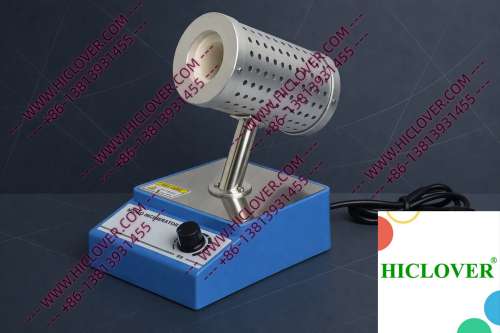
The technical principle that underpins the success of the Micro Incinerator lies in its use of infrared heat emitted through an enclosed ceramic tube. This design ensures rapid thermal sterilization, generating high temperatures necessary for immediate disinfection without the introduction of harmful aerosols commonly associated with open flame methods. Unlike Bunsen burners or alcohol lamps, which can produce vapor and smoke, infrared sterilizers operate cleanly, making them ideal for sensitive environments such as biosafety cabinets and clean rooms.
Moreover, the ceramic heating chamber offers rapid heat-up times and uniform heat distribution. This technology not only conserves energy but also provides a reliable means for sterilizing inoculating loops and other laboratory tools, enhancing workflow efficiency in laboratories handling pathogenic materials.
Application Scenarios in Real Labs
1. University Teaching Labs
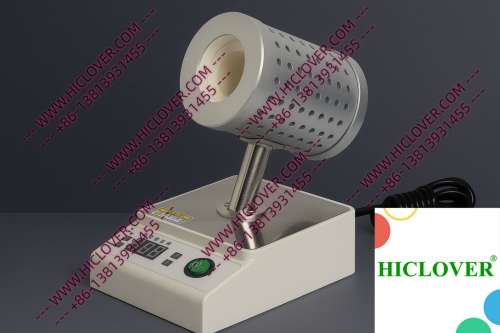
In university settings, where microbiology and medical students learn practical skills, the Micro Incinerator enhances the educational experience. Students can safely practice sterilization techniques without the hazard of open flames. The infrared design promotes a focus on precision and understanding of contamination control principles, setting a new standard for laboratory education.
2. Clinical Testing and BSL-2/BSL-3 Labs
In clinical diagnostics and BSL-2 or BSL-3 microbiology labs, the Micro Incinerator is invaluable for compliance with strict biosafety protocols. It allows for effective sterilization of inoculating loops and other essential tools directly within the biosafety cabinet, minimizing the risk of cross-contamination. The reduced ignition risk associated with flameless operations aligns with the stringent regulations set forth by organizations like the World Health Organization (WHO).
Compliance and Environmental Considerations
The transition from traditional sterilization methods to infrared loop sterilizers signifies an alignment with current laboratory sterilization standards. Flame sterilization methods are often deemed unsafe in clean rooms due to the potential for chemical by-products and combustion residues. In contrast, the Micro Incinerator operates without flames, reducing environmental impact and eliminating the risk of fire hazards in laboratories.
“Adopting the Micro Incinerator not only enhances safety in laboratories but also supports compliance with international biosafety standards.” – A Cape Town Lab Supervisor
As Cape Town hospitals adapt to evolving sterilization demands, they benefit from a solution that meets both operational needs and environmental goals. The move towards flameless sterilization is crucial for compliance with WHO biosafety recommendations, thereby driving a new era of laboratory safety and operational efficiency.
Advantages of Micro Incinerators versus Traditional Flame Sterilizers
| Feature | Micro Incinerator | Flame Sterilizer |
|---|---|---|
| Operational Safety | Flameless, minimal risk of fire | Open flame, higher risk of ignition |
| Efficiency | Rapid thermal sterilization, quick heat-up | Longer ignition time, variable heat |
| Cleanliness | No production of aerosols or combustion residues | Smoke and fumes can contaminate sterile environment |
| Energy Consumption | Energy-efficient, utilizes targeted heating | Higher energy use, inefficient heat distribution |
| Ease of Use | Plug-and-play design, easily operable | Requires skill for safe operation |
FAQs about Micro Incinerators and Infrared Loop Sterilizers
- What is the primary advantage of using a Micro Incinerator in a laboratory setting?
The primary advantage is enhanced safety due to its flameless operation, which minimizes the risk of igniting combustible materials or creating hazardous situations.
- How does infrared heating compare to traditional flame heating?
Infrared heating provides rapid thermal sterilization with consistent temperatures, while flame heating can be inconsistent and present additional risks like smoke and fumes.
- Is the Micro Incinerator suitable for BSL-3 labs?
Yes, the Micro Incinerator meets the stringent safety and sterilization needs required in BSL-2 and BSL-3 laboratories, ensuring compliance with biosafety standards.
- Can the Micro Incinerator be used in clean rooms?
Absolutely, its flameless operation and lack of aerosol production make it ideal for clean room environments where contamination control is paramount.
- How easy is it to maintain a Micro Incinerator?
The Micro Incinerator is designed for easy maintenance, requiring minimal cleaning and upkeep compared to traditional flame sterilizers.
Conclusion: The Future of Laboratory Sterilization in Cape Town
As Cape Town hospitals and laboratories prioritize safety and efficiency, adopting Micro Incinerators as part of their sterilization toolkit is a decision that promises numerous benefits. By eliminating the vulnerabilities associated with traditional flame sterilizers, infrared inoculating loop sterilizers present a revolutionary solution poised to redefine laboratory standards. If you’re interested in enhancing your sterilization processes, consider reaching out for more information on how our Micro Incinerators can support your laboratory needs.
Categories:
Tags: