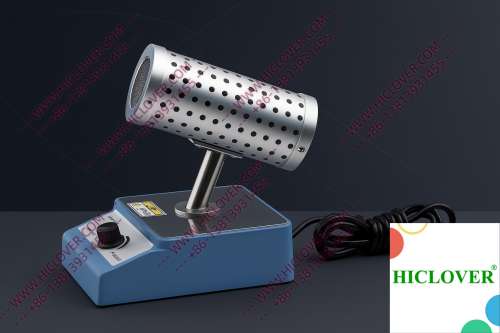
In the ever-evolving landscape of laboratory practices, hospitals and research centers in Kuwait City are increasingly challenged by the need for efficient biosafety measures and effective sterilization protocols. As healthcare facilities grapple with the risks posed by biological contaminants, an innovative solution is emerging: advanced micro incinerators. Specifically, the Micro Incinerator or Infrared Inoculating Loop Sterilizer offers a reliable method to enhance laboratory workflows while maintaining the highest standards of safety and hygiene.
Technical Principles of Micro Incinerators
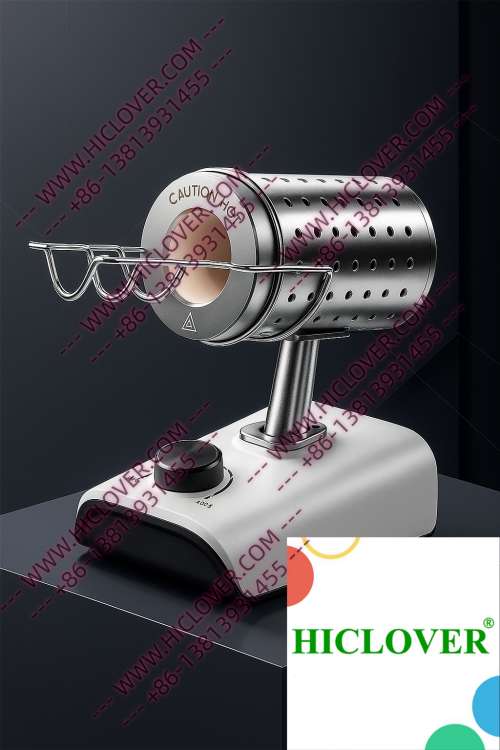
Micro incinerators utilize rapid thermal sterilization, leveraging infrared heat generated within a specialized ceramic heating chamber. This technology allows for precise temperature control, substantially reducing the risk of cross-contamination. Unlike traditional flame sterilizers such as alcohol lamps or Bunsen burners, which pose hazards related to open flames, micro incinerators provide a clean-bench-safe, no-flame solution. This feature is particularly vital in environments requiring stringent contamination control.
The design of the micro incinerator involves an enclosed ceramic tube that emits infrared radiation, allowing for high-temperature disinfection while ensuring the safety of laboratory personnel. The use of infrared heat substantially shortens the sterilization cycle while maintaining the effectiveness of the sterilization process.
Real-World Applications of Micro Incinerators
Micro incinerators have found their place in diverse settings, showcasing their versatility. Below are two notable application scenarios:
- Biosafety Cabinet Operations: In BSL-2 and BSL-3 microbiology labs, scientists often work with pathogenic organisms. The ability to sterilize inoculating loops and other tools in a contained environment eliminates risks associated with aerosols that may arise from traditional methods. Furthermore, the micro incinerator’s compact design allows easy integration into existing biosafety cabinets.
- University Teaching Laboratories: Academic institutions often face the challenge of teaching sterilization techniques effectively. Micro incinerators are ideal for this purpose, as they can be demonstrated without the risks associated with flame-based methods. Students can observe the rapid sterilization process in real-time, enhancing their understanding of laboratory safety protocols.
Compliance with Biosafety Standards
Compliance with global biosafety standards is crucial for laboratory effectiveness and safety. The World Health Organization (WHO) sets forth stringent guidelines for sterilization and waste management, aiming to minimize hazards related to infectious agents. The use of micro incinerators aligns with these protocols, as they not only provide effective sterilization but also contribute to safe waste disposal practices—important for both laboratory settings and hospitals.
Furthermore, numerous laboratory sterilization standards emphasize the need for methods that prevent contamination in clean rooms. Micro incinerators offer this advantage by allowing aerosol-free handling, thus adhering to the standards set by regulatory bodies and enhancing laboratory safety.
Advantages of Micro Incinerators Over Traditional Flame Sterilizers
When evaluating various sterilization tools, the advantages of micro incinerators over traditional flame sterilizers are particularly notable:
| Feature | Micro Incinerator | Traditional Flame Sterilizers |
|---|---|---|
| Heat Source | Infrared heating | Open flame |
| Contamination Control | Aerosol-free | High risk of aerosols |
| Cycling Speed | Faster sterilization | Longer heating times |
| Safety | No flame | Flammable hazards |
FAQs on Micro Incinerators for Hospital Use
- What is the lifespan of a Micro Incinerator?
The lifespan can vary based on usage frequency and maintenance, but they are generally designed for long-term use with proper care. - How do Micro Incinerators demonstrate compliance with biosafety regulations?
Their design and operation meet stringent international sterilization standards, ensuring they effectively eliminate pathogens without creating aerosols. - Are Micro Incinerators suitable for field testing labs?
Yes, their portable design and efficient sterilization process make them ideal for mobile laboratories operating in the field. - Can Micro Incinerators be used in conjunction with other sterilization methods?
Absolutely. They can complement other methods, providing rapid sterilization where traditional approaches may be impractical. - What safety measures should be in place when using a Micro Incinerator?
Users should always follow manufacturer guidelines, wear appropriate personal protective equipment (PPE), and ensure that the device is used in a well-ventilated area.
Conclusion: The Future of Laboratory Sterilization in Kuwait City
As laboratory safety protocols evolve, Kuwait City’s hospitals and research facilities have a unique opportunity to enhance their operations through the adoption of micro incinerators. With their advanced design and numerous advantages over traditional sterilizers, these devices not only meet the pressing demands of sterilization workflows but also align with essential biosafety standards. For healthcare and educational institutions, investing in a Micro Incinerator is not just about compliance; it’s about fostering a culture of safety and innovation.
For those interested in enhancing their laboratory’s safety and efficiency, we encourage you to explore the benefits of micro incinerators. Contact us today to learn more about our range of laboratory sterilization equipment, and take the first step towards a safer, more effective laboratory environment.
Categories:
Tags: