
Laboratory Biosafety Challenges and Sterilization Workflows
As laboratories around the world strive for enhanced biosafety practices, Norway has become a pivotal player in promoting sustainability through innovative solutions such as micro incinerators. With the heightened focus on biodefense, containment, and decontamination in BSL-2 and BSL-3 microbiology labs, the demand for effective sterilization methods is at an all-time high. Traditional flame sterilizers, like alcohol lamps and Bunsen burners, while widely used, present several challenges, particularly concerning aerosol generation and contamination risks.
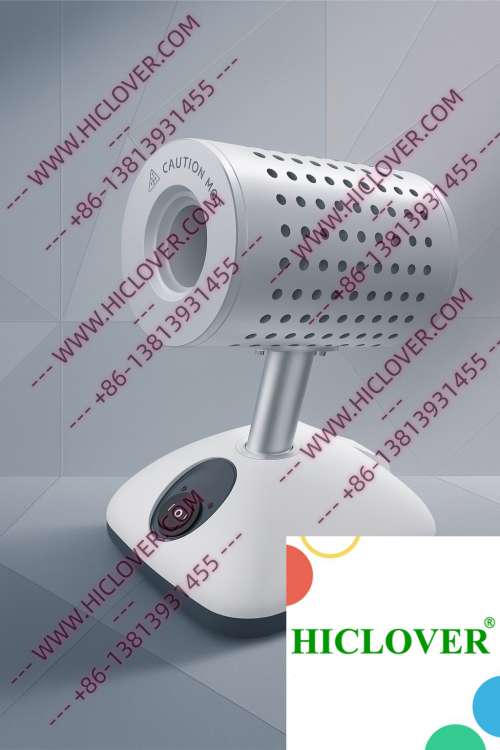
Technical Principles of Micro Incinerators
The Micro Incinerator or Infrared Inoculating Loop Sterilizer stands at the forefront of laboratory sterilization technology. Utilizing infrared heat, this compact unit offers highly efficient and rapid thermal sterilization by incinerating contaminants directly within a specially designed enclosed ceramic tube. The result is an aerosol-free process that not only improves safety but also enhances workflow efficiency in various adaptable lab environments.
Features of the Micro Incinerator
- Rapid Thermal Sterilization: Reaches high temperatures within seconds, ensuring effective decontamination.
- Ceramic Heating Chamber: Provides consistent heating and prevents contamination from external sources.
- Clean-Bench Safe: Designed for use in clean rooms and BSL environments, preserving sterile conditions.
- Aerosol-Free Handling: Eliminates the risks associated with flaming sterilization techniques.
- Flame-Free Operation: Necessary for clean rooms to avoid contamination and maintain air quality.
- Effective Contamination Control: Rapidly eliminates biohazards without disrupting sterile conditions.
Application Scenarios in Real Labs
Micro incinerators are versatile tools with applications across various laboratory settings. Here are two key scenarios:
1. University Teaching Labs
In academic settings, where students practice microbiological techniques, micro incinerators serve as essential sterilization equipment. Instructors can demonstrate the safe handling of inoculating loops and tips without the risk of flame burns. Alongside traditional didactic methods, students gain practical experience in utilizing advanced sterilization technology, preparing them for future roles in clinical diagnostics.
2. Field Testing Labs
During field tests, particularly in remote areas or ecological monitoring projects, the portability of micro incinerators offers immense advantages. Researchers can quickly sterilize their tools on-site, minimizing the risk of cross-contamination during sample collection. This ensures that environmental data is collected with the highest integrity, supporting sustainable research practices.
Compliance and Environmental Considerations
Adhering to biosafety protocols is critical in laboratory operations. The World Health Organization (WHO) emphasizes the need for stringent lab sterilization standards to protect both laboratory personnel and the environment. Micro incinerators meet these compliance guidelines effectively, offering:
By replacing flame sterilizers, micro incinerators play a crucial role in reducing environmental impact, aligning with Norway’s sustainability efforts. Their efficiency leads not only to reduced energy consumption but also to a lowered risk of combustion-related accidents in laboratories.
Comparison: Micro Incinerator vs. Flame Burners
| Feature | Micro Incinerator | Flame Burners |
|---|---|---|
| Operation Speed | Immediate | Variable |
| Aerosol Production | None | High |
| Safety | High (flame-free) | Lower (risk of burns) |
| Usability in Clean Rooms | Suitable | Not suitable |
FAQs
1. What are the key benefits of using a Micro Incinerator?
The primary benefits include enhanced safety due to its flame-free operation, rapid sterilization capabilities, and reduced risk of contamination, making it ideal for labs operating under stringent biosafety protocols.
2. Can Micro Incinerators be used in field testing?
Absolutely! Their portable design makes them suitable for on-site sterilization in remote areas, ensuring the integrity of environmental samples collected during research.
3. How does a Micro Incinerator compare to traditional sterilization methods?
Micro Incinerators provide a quick, aerosol-free option that enhances safety and efficiency, especially in clean environments, compared to traditional flame methods which can generate harmful aerosols and carry an increased risk of accidents.
4. Are Micro Incinerators compliant with WHO standards?
Yes, Micro Incinerators align with international biosafety standards, supporting a cleaner and safer working environment within laboratories.
5. How long does it take for a Micro Incinerator to reach operational temperature?
Micro Incinerators reach their operational temperature within seconds, allowing for immediate use in sterilizing inoculating loops or other small tools.
Conclusion
The transition towards micro incinerators represents a significant shift in laboratory sterilization practices, particularly in Norway’s commitment to sustainable operations. With features that prioritize safety and enhance biosafety compliance, these devices are transforming how laboratories conduct sterilization, offering innovative solutions to the challenges posed by traditional methods. For laboratories looking to upgrade their sterilization equipment and enhance their workflows, investing in a Micro Incinerator is a step toward a safer, more sustainable future. Contact us today to explore our range of Micro Incinerators and elevate your lab’s efficiency!
Categories:
Tags: