
In the ever-evolving landscape of laboratory research, maintaining biosafety and minimizing contamination risk are paramount. Traditional sterilization methods like alcohol lamps or Bunsen burners pose significant challenges in terms of workflow efficiency, safety, and compliance with modern laboratory standards. As laboratories strive for improved sterilization techniques, non-flame methods are gaining preference, particularly the Micro Incinerator or Infrared Inoculating Loop Sterilizer. This article delves into the benefits of these advanced sterilization methods, shedding light on their technical advantages, application scenarios, and compliance with safety regulations.
Technical Principles of Non-Flame Sterilization
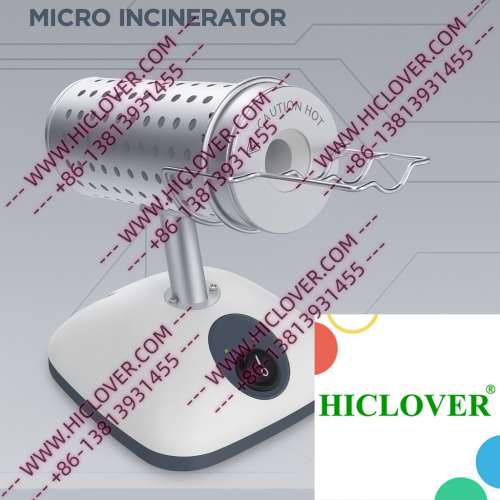
The core principle of the Micro Incinerator revolves around rapid thermal sterilization through infrared heat. This device employs an enclosed ceramic tube that reaches high temperatures efficiently, allowing for the quick and effective sterilization of inoculating loops and other instruments without the risk associated with open flames. When the sterilizer is switched on, the infrared technology heats the ceramic chamber, generating a focused heat source that destroys microorganisms effectively.
This sterile environment facilitates contamination control in any laboratory setting, significantly enhancing workflow efficiency and safety for laboratory personnel.
Application Scenarios in Real Laboratories
-
Biosafety Cabinets
In BSL-2 and BSL-3 microbiology labs, where the handling of pathogens poses significant risks, the non-flame Micro Incinerator serves as an ideal sterilization solution. The encapsulated design enables researchers to operate within biosafety cabinets without exposing themselves or the environment to hazardous flames. This minimizes aerosol generation and significantly reduces the risk of fire hazards.
-
Field Testing and Mobile Labs
In field testing scenarios, where quick and reliable sterilization is essential for sample integrity, mobile laboratories benefit immensely from the compact and efficient Micro Incinerator. Researchers conducting environmental studies, such as studying pathogenic organisms in water or soil samples, find the non-flame method particularly effective for on-the-spot sterilization, ensuring that samples remain uncontaminated without extensive equipment setup.
-
Teaching Labs
In university teaching labs, safety is a top priority for instructors and students. The Micro Incinerator provides a safe learning environment, allowing students to practice sterilization techniques without the risks associated with traditional flame sources. The rapid heating capability also keeps class activities efficient and uninterrupted, fostering a smooth educational experience.
- What are the primary benefits of using a Micro Incinerator over traditional flame sterilizers? The Micro Incinerator offers superior safety, rapid sterilization, and better contamination control, making it highly suitable for modern laboratory needs.
- Is the Micro Incinerator suitable for field use? Yes, its compact design and efficiency make it an ideal choice for mobile labs and field testing environments.
- How does the infrared heat technology work? The Micro Incinerator utilizes an enclosed ceramic tube that generates infrared heat, providing a focused and efficient method of sterilization.
- What types of laboratories can benefit from using a Micro Incinerator? BSL-2 and BSL-3 microbiology labs, teaching labs, and mobile testing facilities can all benefit from using this non-flame sterilization method.
- Are there any compliance standards associated with using a Micro Incinerator? Yes, it aligns with WHO biosafety guidelines and laboratory sterilization standards, especially in clean rooms where open flames are restricted.
Compliance and Environmental Considerations
Compliance with laboratory sterilization standards is increasingly critical across global research facilities. The World Health Organization (WHO) underscores the necessity of adhering to biosafety standards which call for the elimination of open flames in clean rooms and sterile environments. Traditional flame sterilizers can introduce uncontrolled variables, such as heat damage and fire hazards, particularly in sensitive environments.
By utilizing the Micro Incinerator, laboratories can align with comprehensive biosafety regulations. Established protocols recommend that laboratories operating under strict standards, such as those set forth by the American National Standards Institute (ANSI) and the National Institutes of Health (NIH), prioritize methods of sterilization that bolster safety and minimize environmental impact.
Comparison of Micro Incinerators and Traditional Flame Burners
| Feature | Micro Incinerator | Flame Burners |
|---|---|---|
| Safety | No open flame risk | Open flame presents fire hazards |
| Efficiency | Rapid thermal sterilization | Longer heating times |
| Contamination Control | Reduced aerosol generation | Aerosol risk from flames |
| Portability | Compact design for field use | Bulky and less portable |
| Application Diversity | Multi-use in various settings | Primarily used in static conditions |
FAQs
As the world of scientific research advances, embracing safer and more efficient sterilization methods is not just recommended; it’s essential. With the Micro Incinerator, laboratories can ensure that their sterilization practices align with current safety standards while enhancing workflow efficiency.
Conclusion: Elevate Your Sterilization Practices
In conclusion, the transition to non-flame sterilization methods, particularly the Micro Incinerator, represents a significant advancement in laboratory biosafety and operational efficiency. By selecting this innovative approach, research facilities can not only improve safety protocols but also enhance the overall workflow. Contact us today to learn more about how adopting this advanced sterilization technology can revolutionize your laboratory practices.
Categories:
Tags: