
In the realm of laboratory operations, maintaining biosafety while efficiently managing waste and sterilizing tools is an ongoing challenge. Laboratory professionals must carefully balance sterilization workflows with contamination control, often relying on traditional flame sterilizers such as Bunsen burners or alcohol lamps. However, as sustainability becomes increasingly paramount in scientific practices, innovative solutions like micro incinerators are emerging as effective alternatives, especially in Mexico, where the demand for responsible waste management continues to rise. This article delves into the advantages of micro incinerators, specifically the Infrared Inoculating Loop Sterilizer, focusing on their applications, technical principles, compliance with biosafety standards, and their impact on laboratory environments.
Technical Principles of Micro Incinerators
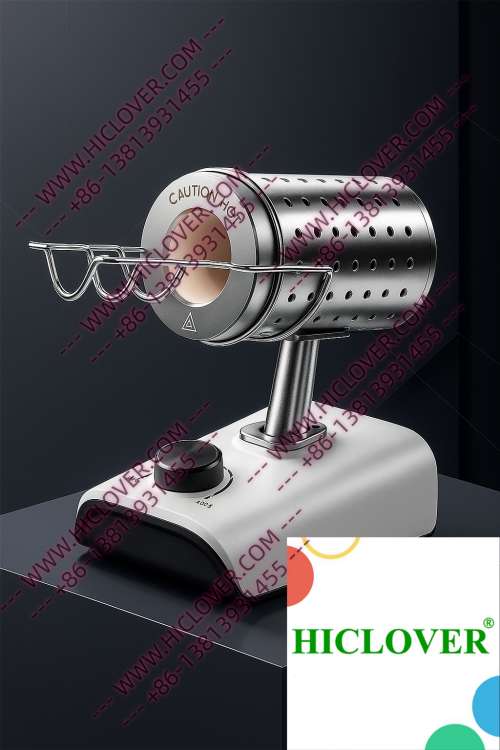
Micro incinerators utilize infrared heat to achieve rapid thermal sterilization, effectively disinfecting inoculating loops and other small laboratory tools. Unlike traditional flame sterilizers, which can inadvertently introduce aerosols into a clean environment, micro incinerators feature an enclosed ceramic heating chamber that minimizes contamination risk. The infrared technology offers high-temperature disinfection while ensuring that the process is clean-bench-safe and efficient.
The design of a micro incinerator allows for quick access and immediate sterilization, making it invaluable in settings where time is critical. The infrared radiation not only ensures uniform heating but also substantially reduces the risk of burns and other accidents associated with flame-based devices. This promotes a safer working environment, particularly important in settings involving delicate tasks such as microbiological research.
Applications in Various Laboratory Settings
1. Biosafety Cabinets
In BSL-2 and BSL-3 microbiology labs, the need for stringent safety protocols is paramount. Using micro incinerators in biosafety cabinets enables laboratory personnel to sterilize inoculating loops while maintaining a containment environment. As microbiologists introduce samples into culture media, the ability to quickly and efficiently sterilize tools without exposing them to open flames allows for enhanced contamination control.
2. Field Testing Laboratories
In Mexico, where field testing is often conducted under variable conditions, mobile laboratories face the challenge of maintaining hygiene standards without traditional sterilization options. Micro incinerators provide a portable solution, allowing field researchers to sterilize tools in situ without the risk of affecting their immediate environment. This versatility is particularly beneficial in rural or remote areas, where access to laboratory infrastructure may be limited.
Compliance with Biosafety Standards
As laboratories strive to align with WHO biosafety guidelines and other lab sterilization standards, the integration of micro incinerators is a step toward compliance. These devices eliminate the risks associated with traditional flame sterilizers, such as the introduction of flames into clean rooms, which can pose a significant safety hazard. Micro incinerators also reduce the production of toxic fumes and particulates, aligning with environmental standards that mandate responsible waste management practices.
Furthermore, labs in regions like Mexico are increasingly required to adhere to international accreditation standards, making the adoption of efficient sterilization methods like micro incinerators not only beneficial but necessary. The transition from flame sterilizers to micro incinerators facilitates greater adherence to these compliance requirements while supporting sustainability efforts.
Advantages Over Traditional Flame Sterilizers
Micro incinerators offer several advantages compared to traditional flame-based sterilization methods. These include:
- Reduced Risk of Contaminants: Minimizes the chances of introducing contaminants into sterile environments.
- Safety: Eliminates the hazards associated with open flames, reducing the risk of burns and fires.
- Efficiency: Provides rapid thermal sterilization, allowing for quicker workflows in high-demand settings.
- Cleanliness: Generates no harmful fumes or aerosols, ensuring a cleaner laboratory environment.
- Portability: Ideal for mobile labs, enabling sterilization in various field conditions.
Comparison: Micro Incinerator vs. Flame Burners
| Feature | Micro Incinerator | Flame Burners (e.g., Bunsen Burner) |
|---|---|---|
| Heat Source | Infrared | Open Flame |
| Contamination Risk | Low | High |
| Safety | High | Medium (risk of burns/fire) |
| Efficiency | Rapid | Variable |
| Environmental Impact | Minimal | Higher (emission of fumes) |
Frequently Asked Questions (FAQs)
What is a micro incinerator used for?
A micro incinerator is used for sterilizing inoculating loops and small laboratory instruments through rapid thermal sterilization, minimizing contamination risks.
How does a micro incinerator differ from a Bunsen burner?
While a Bunsen burner uses an open flame, generating aerosols and increasing contamination risks, a micro incinerator employs infrared heat in a contained environment, ensuring safety and cleanliness.
Are micro incinerators compliant with laboratory safety standards?
Yes, micro incinerators align with WHO biosafety guidelines and laboratory sterilization standards, making them suitable for use in regulated laboratory environments.
Can micro incinerators be used in field labs?
Absolutely. Their portability and design make them ideal for sterilization in mobile laboratories, even in remote or challenging environments.
What are the primary benefits of using a micro incinerator?
The benefits include reduced contamination risk, improved safety, rapid sterilization efficiency, and minimal environmental impact.
Conclusion
The transition from traditional flame sterilizers to micro incinerators represents a significant advancement in laboratory biosafety and efficiency. As laboratories in Mexico and beyond seek to address the growing waste management problem while adhering to strict safety and environmental standards, micro incinerators like the Infrared Inoculating Loop Sterilizer stand out as a viable solution. If you are considering upgrading your sterilization equipment or exploring environmentally responsible laboratory practices, contact us today to learn more about our offerings and how they can enhance your laboratory’s operational efficiency.
Categories:
Tags: