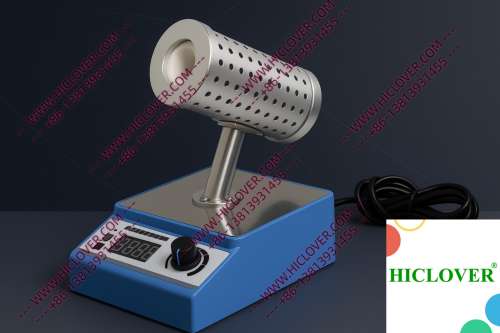
In today’s laboratory environments, ensuring the highest levels of biosafety is paramount. Laboratories face challenges ranging from contamination control to sterilization workflow demands. Traditional flame sterilizers, such as alcohol lamps and Bunsen burners, are insufficient in addressing these challenges, particularly in sensitive areas like BSL-2 and BSL-3 microbiology labs. This is where advanced technology, such as Micro Incinerators and Infrared Inoculating Loop Sterilizers, come into play, offering effective solutions for a cleaner and safer laboratory experience.
Technical Principles of Infrared Sterilization
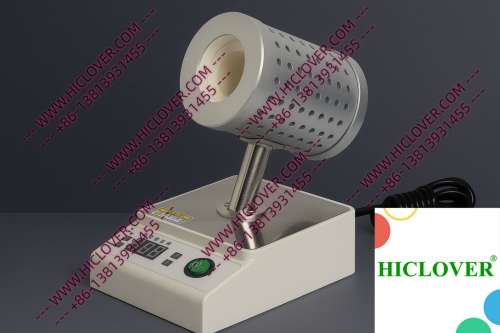
The Micro Incinerator operates on a principle of rapid thermal sterilization, using infrared heat to achieve high temperatures that eliminate microbial life. Unlike open flame sterilizers, which can present hazards through aerosol generation and open flames, the Micro Incinerator is designed for safe use in clean environments such as biosafety cabinets and clinical settings.
One key component of the Micro Incinerator is the enclosed ceramic tube, which focuses heat directly where it is needed. This not only ensures efficient disinfection of inoculating loops and other lab equipment but also minimizes the risk of contamination. The sterile air environment maintained by biosafety cabinets, combined with the precise heating of the Micro Incinerator, allows for clean-bench-safe operations, effectively avoiding any risk of hazardous fumes or aerosols that can arise from flame sterilization.
Applications of Micro Incinerators in Real Labs
Micro Incinerators are finding widespread application across various lab environments. Here are two specific scenarios:
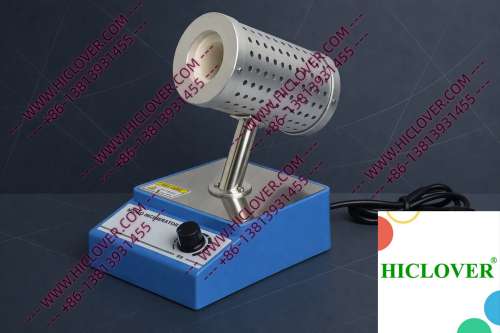
- Biosafety Cabinets: In BSL-2 and BSL-3 labs, where pathogenic organisms are handled, using a Micro Incinerator ensures that sterilization procedures are efficient, fast, and without the risks associated with flames. This setup allows for safe handling of cultures while maintaining airflow integrity.
- Clinical Diagnostics and Teaching Labs: University labs frequently employ Micro Incinerators for both instructional and research purposes. Students practicing sterile techniques benefit from using equipment that provides real-time feedback on contamination control, helping them develop essential skills while keeping the learning environment safe.
Comparative Analysis: Micro Incinerators vs. Flame Sterilizers
| Feature | Micro Incinerator | Flame Sterilizer |
|---|---|---|
| Heating Method | Infrared high-temperature disinfection | Open flame |
| Safety | Clean-bench-safe, aerosol-free | Potentially hazardous and flame risk |
| Efficiency | Fast thermal sterilization | Varied, can be less predictable |
| Compliance | Easier to meet safety standards | May not comply with clean room standards |
Compliance and Environmental Considerations
Laboratory sterilization practices are guided by stringent compliance measures, including WHO biosafety regulations and lab sterilization standards. For example, in many advanced clinical settings, utilizing flame sterilization can lead to non-compliance issues due to the risk of contamination and open flames in controlled environments like clean rooms.
Micro Incinerators effectively address these compliance concerns by providing a reliable and safe means of sterilization. Their design eliminates the open flame risks associated with traditional methods, thereby enabling labs to meet and exceed the demanding requirements of both regulatory bodies and laboratory safety protocols.
FAQs
- How do Micro Incinerators contribute to safety in labs?
Micro Incinerators eliminate the risks associated with open flames, reducing the potential for aerosol contamination in sensitive laboratory environments. - Can Micro Incinerators be used in field testing?
Yes, their compact design and ease of use make them an ideal technology for mobile or field testing labs. - What maintenance is required for a Micro Incinerator?
Routine cleaning and inspection of the ceramic tube and heating elements ensure optimal performance and longevity. - In what type of labs are Micro Incinerators most beneficial?
They are particularly valuable in BSL-2 and BSL-3 microbiology labs, clinical diagnostics facilities, and educational institutions. - What is the lifespan of a Micro Incinerator?
With proper maintenance, a Micro Incinerator can have a long lifespan, typically lasting several years without significant degradation in performance.
Conclusion
The demands of modern laboratory environments call for innovative solutions to enhance biosafety and streamline sterilization workflows. Micro Incinerators, with their advanced technology and compliance-focused design, offer significant advantages over traditional flame sterilizers.
If you are interested in adopting Micro Incinerators for your laboratory needs or want more information on how these sterilizers can optimize your sterilization process, don’t hesitate to get in touch. Explore the future of safe and efficient sterilization today!
Categories:
Tags: