
In today’s laboratory environments, particularly within BSL-2 and BSL-3 settings, maintaining stringent biosafety levels while enhancing operational workflow has become increasingly challenging. The demand for effective sterilization solutions is critical, particularly in contexts where contamination risk is mitigated through rapid thermal sterilization processes. Here, the advent of micro incinerators, specifically the Infrared Inoculating Loop Sterilizer, emerges as a game-changer in waste disposal and equipment sterilization.
The Technical Principles of Micro Incinerators
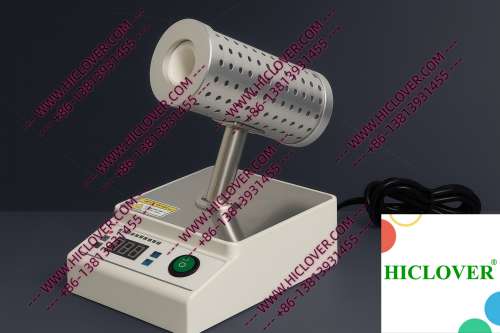
Micro incinerators utilize a unique heating mechanism based on infrared radiation, providing a high-temperature disinfection method that differs significantly from traditional flame sterilizers like alcohol lamps and Bunsen burners. The core of these devices typically features an enclosed ceramic heating chamber that efficiently generates infrared heat, facilitating rapid thermal sterilization.
This technology operates silently and without flames, making it particularly suitable for clean room environments and laboratory settings sensitive to aerosols. The infrared energy emitted induces a swift increase in temperature, allowing the sterilization of inoculating loops and other laboratory implements without the risk of incomplete burning or toxic smoke, common with traditional methods.
Key Features and Advantages
- Energy Efficiency: Minimal energy consumption compared to traditional flame-based methods.
- Aerosol-Free: Enhances safety by eliminating the risk of aerosolized pathogens.
- Quick Sterilization: Rapid heating up to 850°C, allowing for immediate use of tools.
- User-Friendly: Simple operation and maintenance, enabling seamless integration into any lab workflow.
- Compact Design: Space-saving technology ideal for crowded laboratory benches.
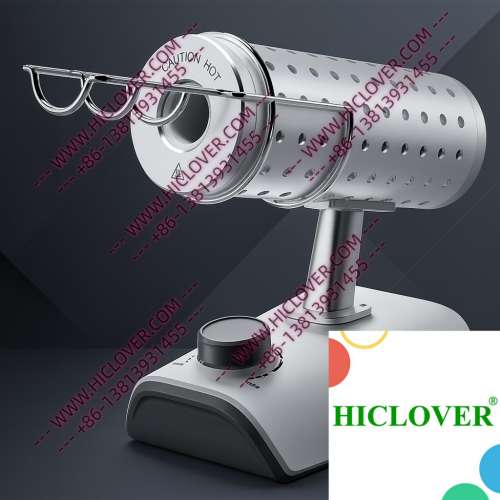
Application Scenarios in Real Life Labs
Micro incinerators find utility in various laboratory settings, influencing functional workflows and operational safety in ways that enhance laboratory productivity.
1. Biosafety Cabinets for Microbial Research
In microbiological research labs, especially those working with pathogenic agents, biosafety cabinets are a necessity for maintaining a sterile environment. Utilizing an infrared inoculating loop sterilizer within these cabinets allows researchers to disinfect tools quickly and efficiently while maintaining an aerosol-free atmosphere. This setup is invaluable not only for operational efficiency but also for the well-being of lab personnel.
2. Field Testing in Mobile Labs
In mobile labs or field testing environments, such as those deployed for environmental monitoring or disease outbreaks, micro incinerators provide a reliable method for sterilization without the need for external fuel sources. These units can be powered by portable power sources and allow researchers to sterilize equipment on the spot while ensuring compliance with biosafety regulations.
Compliance with Biosafety Standards
When considering lab equipment, adherence to international and national biosafety standards is imperative. The World Health Organization (WHO) sets forth guidelines that stress the importance of using non-flame sterilization methods, particularly in clean room settings where flammable gases pose a significant risk.
Moreover, the use of micro incinerators is aligned with modern lab sterilization standards, explicitly addressing the need for aerosol-free handling. This is particularly relevant in settings dealing with pathogenic materials where stringent contamination control protocols must be followed.
A Comparative Analysis of Sterilization Methods
Micro Incinerator vs. Traditional Flame Sterilizers
| Feature | Micro Incinerator | Flame Sterilizer |
|---|---|---|
| Heating Method | Infrared Radiation | Open Flame |
| Temperature Control | Stable and Consistent | Fluctuating |
| Aerosol Production | None | High risk |
| Energy Efficiency | High | Low |
| Ease of Use | User Friendly | Requires Skill |
Frequently Asked Questions
What is a micro incinerator used for?
Micro incinerators are primarily used for rapid sterilization of laboratory tools such as inoculating loops, promoting contamination control and improving workflow efficiency.
How does an infrared inoculating loop sterilizer work?
This device uses infrared heat to achieve high temperatures (up to 850°C) quickly, effectively obliterating microbial organisms on tools without the hazards associated with flames.
Can micro incinerators be used in clean rooms?
Yes, micro incinerators are designed specifically for clean environments due to their lack of open flames and aerosol production, making them ideal for critical sterilization work.
What safety standards do micro incinerators comply with?
Micro incinerators are designed to meet WHO biosafety guidelines and adhere to various laboratory sterilization standards, ensuring that they are suitable for use in high-stakes laboratory scenarios.
Are micro incinerators energy efficient?
Yes, compared to traditional flame sterilizers, micro incinerators demonstrate significant energy efficiency, saving costs and resources in the long run.
Conclusion: Illuminate Your Lab’s Future with Micro Incinerators
The transformation brought about by energy-saving micro incinerators, particularly the Infrared Inoculating Loop Sterilizer, stands at the forefront of modern laboratory practices. Offering enhanced biosafety, efficiency, and compliance with sterilization standards, these devices are essential for various laboratory settings, from clinical diagnostics to university teaching labs and mobile testing environments.
To elevate your laboratory’s operational efficiency and safety, consider incorporating a micro incinerator into your sterilization workflow. Contact us today for more information or to make a purchase!
Categories:
Tags: