
As laboratory environments grow increasingly focused on biosafety and contamination control, the need for efficient sterilization methods becomes paramount. Laboratories in Norway, particularly those dealing with BSL-2 and BSL-3 agents, face unique challenges in maintaining a clean and safe working environment. Among these challenges are the daily demands for sterilizing inoculating loops and other laboratory tools. Traditional methods, such as Bunsen burners and alcohol lamps, present risks and limitations that can hinder effective workflows.
The Technical Principles Behind Micro Incinerators
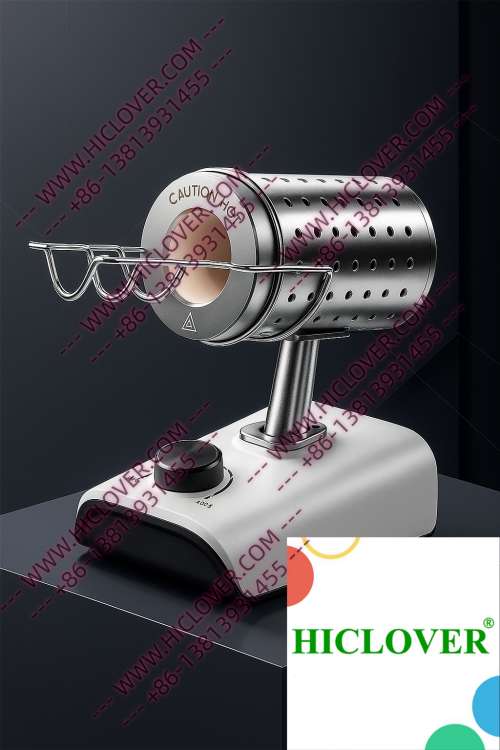
Micro incinerators, particularly the Infrared Inoculating Loop Sterilizers, employ a unique method of rapid thermal sterilization through infrared heat. Unlike traditional flame methods, which can be hazardous and inconsistent, the micro incinerator utilizes a closed ceramic tube that provides a uniform heating environment. This advanced configuration ensures high-temperature disinfection while minimizing aerosol production, thus maintaining a safer atmosphere within clean benches and biosafety cabinets.
The infrared heating element reaches temperatures sufficient to sterilize inoculating loops, needles, and other metal implements in seconds. This design allows for a steady, controllable heat source, significantly reducing the risk of cross-contamination and flammable hazards in sensitive laboratory settings.
Applications in Real Laboratory Settings
Field Testing Labs
Field testing labs in remote locations, such as those conducting environmental microbiology studies in Norway’s Arctic regions, often face logistical challenges with waste disposal and sterilization. In these scenarios, micro incinerators offer a mobile and effective solution for sterilizing sampling equipment and reducing biological waste on-site. The portability combined with efficiency allows teams to maintain strict biosafety protocols without compromising on transportation of potentially hazardous materials.
University Teaching Labs
In university teaching labs, the continuous exposure of students to sterile procedures is crucial. The Micro Incinerator serves as an exceptional educational tool, demonstrating the principles of sterilization without the risks associated with traditional flames. Students can safely practice inoculation techniques with the assurance that they are using equipment designed with modern safety and efficiency in mind. Additionally, these sterilizers are compliant with WHO biosafety guidelines, thus aligning educational settings with global health standards.
Compliance and Environmental Considerations
Laboratories operate under stringent sterilization standards, including those set forth by the World Health Organization (WHO). It is essential for labs to meet these biosafety requirements, ensuring that they not only protect personnel but also prevent the spread of hazardous pathogens. Micro incinerators comply with health regulations while minimizing environmental impact by reducing carbon emissions associated with flame sterilization techniques.
Moreover, the absence of an open flame makes micro incinerators an ideal choice for clean rooms and sensitive environments. Using these devices eliminates the risks of fires or explosions, contributing to a more secure laboratory atmosphere.
Advantages Over Traditional Flame Sterilizers
When evaluating sterilization tools, it’s important to consider the benefits of micro incinerators beyond mere compliance. Here is a comparison table of Micro Incinerators and traditional flame burners:
| Feature | Micro Incinerator | Flame Sterilizer |
|---|---|---|
| Temperature Control | Precise and consistent | Variable and often unpredictable |
| Safety | No open flame; low contamination risk | Open flame; fire hazard |
| Environmental Impact | Lower emissions; cleaner operation | Exhaust gases and pollutants |
| Cleansing Speed | Rapid sterilization in seconds | Variable; can take longer |
| Mobility | Portable; ideal for fieldwork | Requires additional setup |
Frequently Asked Questions
- What are the primary uses for micro incinerators?
Micro incinerators are primarily used for sterilizing inoculating loops, metal tools, and other small laboratory implements, particularly in biosafety settings. - Are micro incinerators suitable for field testing?
Yes, micro incinerators are portable and can be effectively utilized in field testing labs, particularly in remote areas. - How do micro incinerators improve biosafety?
Micro incinerators eliminate open flames, thus reducing fire hazards and minimizing aerosol production, enhancing overall laboratory safety. - What are the environmental benefits of using micro incinerators?
These devices have a lower environmental footprint compared to traditional flame sterilizers, as they reduce emissions and biological waste. - Can a micro incinerator be used in a classroom setting?
Absolutely! They provide a safe and efficient way for students to learn sterilization techniques without the risks associated with flames.
Conclusion
Investing in a Micro Incinerator / Infrared Inoculating Loop Sterilizer can not only enhance workflow efficiency in your laboratory but also aligns with necessary compliance standards essential for safety and sustainability. For laboratories in Norway facing increasing demands for safe and effective sterilization methods, transitioning to micro incinerators represents a forward-thinking approach to waste management and contamination control.
If you are interested in modernizing your lab’s sterilization processes, consider reaching out for more information or to obtain a Micro Incinerator today.
Categories:
Tags: