
In laboratory settings across Tanzania, particularly in the fields of clinical diagnostics and research, the challenges of biosafety and effective sterilization procedures remain prevalent. As laboratories grapple with issues related to contamination control and workflow efficiency, innovative solutions are emerging. One such solution, the Micro Incinerator—specifically the Infrared Inoculating Loop Sterilizer—offers an efficient and effective answer to these critical needs.
The Laboratory Sterilization Challenge
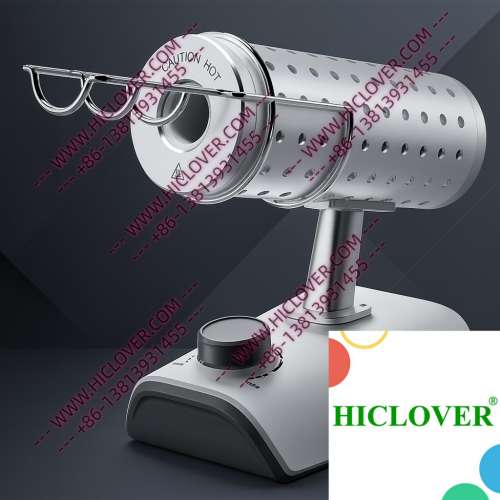
The microbiology labs in Tanzania, especially those operating under BSL-2 and BSL-3 regulations, face significant constraints in terms of sterilization workflows. Traditional sterilization methods, such as alcohol lamps and Bunsen burners, have been widely used but often fall short due to their safety risks, requirement for open flames, and inconsistent sterilization efficiency. The introduction of the Micro Incinerator, with its rapid thermal sterilization capabilities, has the potential to revolutionize laboratory practices.
Understanding the Micro Incinerator
The Micro Incinerator operates on the principle of infrared heat, utilizing enclosed ceramic tubes to generate high temperatures quickly. This mechanism allows for:
- Efficient Direct Sterilization: The infrared heating element achieves temperatures exceeding 800°C, ensuring rapid thermal sterilization within seconds.
- Contamination Control: As a clean-bench-safe tool, it minimizes risks associated with aerosol generation and the potential spread of biohazards.
- Ergonomic Design: The portability and compact size make it an ideal choice for both laboratory and field environments.
- Providing hands-on experiences with state-of-the-art sterilization equipment.
- Encouraging safe practices in biosafety cabinet environments.
- Demonstrating principles of contamination control effectively, thus shaping future researchers with robust safety habits.
- On-site sterilization of inoculating loops and sample collection tools, assuring biosafety in remote locations.
- Reduced reliance on traditional methods that pose fire hazards in field operations.
- Enhanced reliability during emergency responses to disease outbreaks.
- Biosafety Levels: Labs must operate under the required regulations, including BSL-2 and BSL-3, focusing on controlling pathogens safely.
- Laboratory Sterilization Standards: The Micro Incinerator’s efficiency aligns with WHO sterilization benchmarks, ensuring best practices are implemented.
- Flame-Free Environments: In clean rooms, the Micro Incinerator’s technology provides a flame-free sterilization option, significantly reducing contamination risks.
- What is a Micro Incinerator?
A Micro Incinerator is an innovative sterilization tool that uses infrared heat for rapid disinfection of laboratory tools. - How does it compare to flame sterilizers?
Unlike traditional flame sterilizers, it offers faster sterilization, increased safety, and reduced contamination risks. - Can it be used in field testing labs?
Yes, its portable design makes it a perfect choice for mobile testing environments. - What are the main advantages of using a Micro Incinerator?
Key advantages include efficiency, safety, ease of use, and compatibility with clean-room protocols. - Is the Micro Incinerator compliant with WHO standards?
Yes, it meets international biosafety and sterilization standards set by WHO.
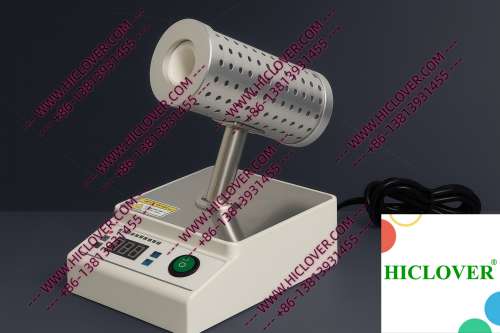
Applications in Real Laboratories
Two significant application scenarios for Micro Incinerators are in laboratory environments: teaching labs within universities and mobile field testing labs.
1. University Teaching Labs
In academic settings such as the University of Dar es Salaam, students engage in microbiology and biological sciences, often necessitating reliable sterilization techniques. The Micro Incinerator’s swift sterilization process complements educational workflows by:
2. Mobile or Field Testing Labs
Field testing for diseases like malaria and tuberculosis is crucial in Tanzania, where rapid response can significantly impact public health. The lightweight and portable Micro Incinerator facilitates:
Compliance with Global Standards
Adhering to international biosafety standards is paramount for laboratories in Tanzania. The World Health Organization (WHO) emphasizes the need for compliant sterilization processes. Some critical compliance highlights include:
Environmentally Conscious Choice
The shift towards employing Micro Incinerators is also an environmentally conscious decision, reducing the carbon footprint associated with the use of traditional fuel-based sterilizers and providing a cleaner operational environment.
Comparison: Micro Incinerator vs. Traditional Flame Sterilizers
| Feature | Micro Incinerator | Flame Sterilizers (e.g., Bunsen Burners) |
|---|---|---|
| Efficiency | Rapid thermal sterilization in seconds | Longer heating times |
| Safety | No open flame, reduced risks | Open flame hazards |
| Mobility | Compact and portable | Less portable |
| Contamination Control | Minimized aerosol generation | Higher aerosol risks |
| Energy Efficiency | Lower energy consumption | Higher energy consumption |
FAQs
Conclusion
The Micro Incinerator/Infrared Inoculating Loop Sterilizer represents a significant advancement in laboratory sterilization technology in Tanzania. By empowering communities through enhanced biosafety practices and efficient sterilization methods, this innovative tool paves the way for improved public health outcomes. Whether your focus is academic research or field testing, upgrading to this state-of-the-art equipment is a decision that can influence both safety and efficacy in laboratory settings. For inquiries or to explore purchasing options, don’t hesitate to reach out.
Categories:
Tags: