
Laboratories today face a multitude of biosafety challenges, particularly in the realm of sterilization. The threat of contamination, the handling of biohazardous materials, and the demand for rapid thermal sterilization are pressing concerns for researchers and educators alike. Enter the Micro Incinerator, specifically the Infrared Inoculating Loop Sterilizer, which provides a modern solution to these challenges without sacrificing safety or efficiency.
Understanding Micro Incinerators: Operations and Technical Principles
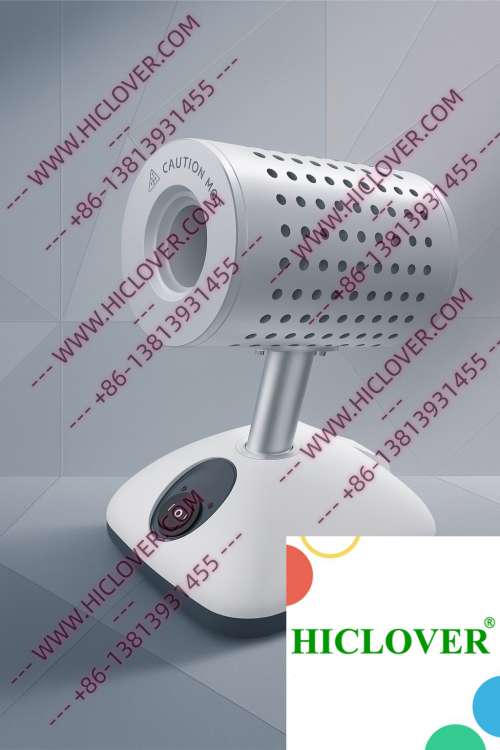
The Micro Incinerator utilizes infrared heat to offer an efficient and safe method for sterilizing inoculating loops, needles, and other small laboratory tools. Instead of using an open flame—common in traditional methods such as Bunsen burners—this device employs an enclosed ceramic tube that reaches high temperatures almost instantaneously.
Its primary technical advantage lies in the ceramic heating chamber, which radiates infrared energy. This heating process provides rapid disinfection while producing minimal smoke and aerosols, ensuring a completely clean working environment. The temperature can quickly reach up to 800°C, allowing effective sterilization while preventing cross-contamination.
Applications of Micro Incinerators in University Labs
Micro Incinerators have found diverse applications across various laboratory settings, especially in university labs. Here we explore two specific scenarios illustrating their importance:
- Biosafety Cabinets: In BSL-2 microbiology labs, the use of Micro Incinerators in biosafety cabinets ensures that the sterilization process remains within a controlled environment, minimizing the risk of exposure to pathogens.
- Teaching Labs: For university educational settings, the incorporation of Micro Incinerators promotes safer practices during microbiology experiments. They provide a clean, quick, and effective means of sterilizing instruments, thus enhancing student training protocols.
Compliance and Environmental Considerations
The application of Micro Incinerators aligns closely with global biosafety standards, including guidelines from WHO and various lab sterilization compliance protocols. The unique no-flame operation makes these devices particularly suitable for use in clean rooms, where traditional flame sterilizers can compromise air quality and create contamination worries.
Unlike alcohol lamps, which pose fire hazards and require handling with caution, Micro Incinerators provide a safe alternative that complies with current safety standards while minimizing risks associated with aerosol spray from flames. This is particularly crucial in clinical diagnostics and research environments where contamination control is paramount.
Comparative Analysis: Micro Incinerator vs. Flame Sterilizers
| Feature | Micro Incinerator | Flame Sterilizers |
|---|---|---|
| Heating Method | Infrared | Open Flame |
| Risk of Contamination | Low | High |
| Temperature Variability | Consistent | Variable |
| Ease of Use | Simple One-Touch Operation | Requires Skill |
| Safety | No Flame, Low Risk | Fire Hazard |
FAQs about Micro Incinerators
What is the primary benefit of using a Micro Incinerator over traditional flame sterilizers?
The primary benefit is the reduced risk of contamination and a safer work environment since Micro Incinerators do not use an open flame.
How does the infrared heating work in Micro Incinerators?
Infrared heating involves the emission of energy that quickly raises the temperature of the instruments placed within the ceramic chamber, effectively sterilizing them within seconds.
Can Micro Incinerators be used in clean rooms? If yes, how?
Yes, Micro Incinerators are ideal for clean rooms due to their no-flame operation, which prevents the introduction of particulates or contamination into the sterile environment.
Are Micro Incinerators compliant with WHO biosafety standards?
Yes, they meet the WHO biosafety standards due to their efficient stationary sterilization methods and reduced aerosol production during operation.
What types of labs benefit most from using Micro Incinerators?
BSL-2 and BSL-3 microbiology labs, clinical diagnostics, teaching labs, and field testing labs all benefit from the safety and efficiency of Micro Incinerators.
Conclusion
The enhancement of biosecurity in university laboratories is no longer just an option, but a necessity. The Micro Incinerator and Infrared Inoculating Loop Sterilizer not only streamline the sterilization process but also ensure compliance with biosafety regulations while improving the overall safety for lab personnel. With their ability to efficiently manage contamination risks, investing in Micro Incinerators is an intelligent step for institutions looking to elevate their laboratory practices.
If you are looking to enhance your laboratory sterilization equipment or require more detailed information about Micro Incinerators, reach out today. Your laboratory’s safety and efficiency are worth the investment!
Categories:
Tags: