
Laboratory environments are crucial for research and experimentation, but they come with a set of unique biosafety challenges. Ensuring that the equipment used in these labs does not contribute to contamination is paramount. One of the most critical components of a laboratory sterilization workflow is the bio-safety cabinet sterilizer. Among the various types available, the Micro Incinerator, also known as the Infrared Inoculating Loop Sterilizer, has gained prominence due to its effectiveness and safety attributes.
Understanding The Micro Incinerator: Principles and Features
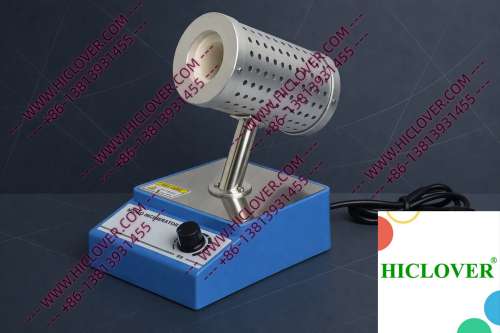
The Micro Incinerator operates using advanced infrared heat technology to achieve rapid thermal sterilization. The key component of this device is its enclosed ceramic heating chamber, which generates high temperatures almost instantaneously. This design allows for the sterilization of inoculating loops and other small tools sans the contaminants typically associated with flame-based methods. Unlike traditional flame sterilizers such as alcohol lamps or Bunsen burners, the Micro Incinerator provides a cleaner, aerosol-free handling experience, which is especially critical in clean bench environments.
Applications in Practical Laboratory Settings
1. Biosafety Cabinets: In BSL-2 and BSL-3 microbiology labs, maintaining a sterile environment is essential for handling pathogenic microorganisms. Utilizing a Micro Incinerator within a biosafety cabinet not only minimizes contamination risks but also enhances workflow efficiency. Researchers can rapidly sterilize tools between experiments without exposing surfaces to open flames, thus reducing the likelihood of fire hazards.
2. University Teaching Labs: In educational settings, particularly in university teaching labs focused on microbiology, the Micro Incinerator serves as an ideal teaching tool. Instructors can demonstrate sterile techniques safely and efficiently with this device, allowing students to gain hands-on experience in a controlled manner. This practical understanding of aseptic technique is vital for upcoming researchers.
Compliance and Environmental Standards
Adhering to accredited biosafety regulations is non-negotiable in laboratory operations. Organizations such as the World Health Organization (WHO) and local health authorities have set forth guidelines specifying the standards for laboratory sterilization equipment. For instance, flame sterilizers are often prohibited in clean rooms due to their potential to release harmful aerosols and particles. By employing a Micro Incinerator, laboratories can align with international lab sterilization standards, ensuring that microbiological work is performed safely while maintaining sterile conditions.
Micro Incinerator vs. Traditional Flame Sterilizers
| Feature | Micro Incinerator | Flame Sterilizers |
|---|---|---|
| Heat Source | Infrared | Open Flame |
| Contamination Risk | Low | High |
| Safety | Low Risk of Fire | Fire Hazard |
| Response Time | Immediate | Lag Time |
| Maintenance | Low | Higher Due to Fuel Supply |
User-Friendly Design and Functionality
A key advantage of the Micro Incinerator is its user-friendly design, which allows researchers, educators, and laboratory technicians to operate it with minimal training. Equipped with temperature control features and an efficient heating chamber, the device can achieve high-temperature disinfection quickly, making it ideal for various laboratory operations, including CO₂ incubator and anaerobic chamber setups. Moreover, the compact size and portability of these sterilizers make them suitable not only for stationary labs but also for mobile or field testing labs.
FAQs About Micro Incinerators
- What is a Micro Incinerator?: A Micro Incinerator is a device that utilizes infrared heat technology for rapid sterilization of laboratory instruments.
- How does a Micro Incinerator differ from a flame sterilizer?: Unlike flame sterilizers, Micro Incinerators reduce contamination risk, are safer, and provide immediate heating without the need for fuel.
- Are Micro Incinerators compliant with WHO guidelines?: Yes, Micro Incinerators comply with various international biosafety and sterilization standards, making them ideal for BSL-2 and BSL-3 laboratories.
- Can I use a Micro Incinerator in a teaching laboratory?: Absolutely! It is ideal for university teaching labs to demonstrate sterile techniques without the risks associated with flames.
- How can I purchase a Micro Incinerator?: Contact our sales team to learn more about the various models available and find the right one for your laboratory needs.
Conclusion: Elevate Your Laboratory Standards Today
In conclusion, the importance of effective and safe sterilization methods in laboratories cannot be overstated. Utilizing a Micro Incinerator not only enhances sterilization efficiency but also addresses significant biosafety concerns, ensuring compliance with global standards. Whether you’re in a clinical diagnostics lab, university setting, or involved in mobile testing, considering an upgrade to infrared inoculating loop sterilizers may be the enhanced solution your laboratory needs. Contact us today to explore purchasing options and further your commitment to laboratory safety and efficiency.
Categories:
Tags: